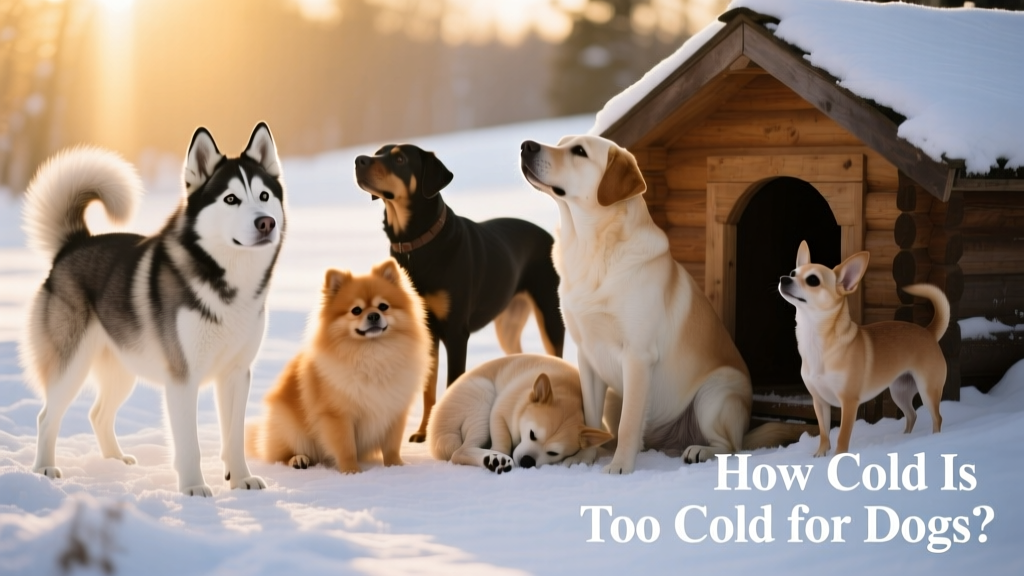
How Cold Is Too Cold for Dogs?
Yes, your dog has a fur coat—but when winter temperatures dip, it may not be enough to keep them warm outdoors. Find out how cold is too cold for dogs, how to tell when your dog is cold, and what you can do to help keep them warm.
Do Dogs Get Cold?
Despite the cold temperatures and piles of snow (or maybe because of them!), many dogs are enthusiastic about outside adventures in the winter. This can mislead pet parents into believing that dogs don’t get cold—or at least that they’re much less vulnerable to the cold than people are.
But cold weather can create significant health problems for dogs, including frostbite and hypothermia.
How Cold Is Too Cold for Dogs?
There is no one-size-fits-all answer to the question of what temperature is too cold for dogs. Just as you might feel perfectly comfortable in 50-degree weather when the sun is out but unpleasantly cold at the same temperature when it’s windy and raining, many variables affect how your dog experiences different temperatures.
Environmental Variables
- Wind chill: Wind increases the rate at which heat is lost from your dog’s body as it penetrates their coat.
- Moisture: Wet or damp fur doesn’t insulate as well as dry fur, and evaporation removes heat from the body. Any kind of moisture can make your dog feel colder.
- Cloud cover: A clear, cloudless day helps your dog stay warmer in cold weather because sunlight provides gentle warming.
Individual Variables
- Size: Small dogs proportionally lose more heat through their skin than large dogs.
- Weight: Body fat helps insulate dogs from winter weather—so heavier dogs generally retain heat better than leaner ones.
- Coat type: Dogs with a dense undercoat plus an outer coat—like Siberian Huskies or Pomeranians—enjoy the most natural cold protection. Single-coated breeds, such as Whippets, have far less insulation. Remember: long hair alone doesn’t guarantee warmth.
- Age and health: Very young, very old, or medically compromised dogs struggle to regulate body temperature and need extra protection.
- Physical exertion: Movement generates body heat, so active dogs stay warmer longer in chilly conditions.
- Acclimation: Dogs who live in colder climates and regularly spend time outdoors adapt better than those from milder regions.
Veterinarians offer these general temperature guidelines to help assess risk:
- At 45°F: Vulnerable dogs—including small, thin-coated, young, senior, or ill dogs—may already feel uncomfortably chilled.
- At 32°F: Most dogs begin to face real risk for hypothermia and frostbite.
- At 20°F: Even the most cold-tolerant dogs should be closely monitored—and outdoor time kept extremely brief.
How Do I Know if My Dog Is Cold?
Many signs that a dog is getting too cold mirror human responses—making them relatively easy to spot. When in doubt, always head indoors and warm up.
Behavioral Indicators
- Whining or barking unusually
- Slowing down or stopping mid-walk
- Seeking shelter or burrowing into snow or blankets
- Appearing anxious or restless
- Lifting paws off icy or frozen ground
Physical Indicators
- Shivering (though this may stop as hypothermia worsens)
- Pale, grayish, or bluish skin—especially on ears, tail, or paw pads
- Extremities that feel cold or stiff to the touch
If you need to warm your dog quickly, bring them inside a heated building or car. Wrap them in pre-warmed blankets or towels (heated in a dryer or near a radiator). You can also use hot packs or water bottles wrapped in several layers of fabric—never apply direct heat to bare skin.
If you suspect hypothermia or frostbite, contact a veterinarian immediately.
How To Keep Your Dog Warm in Winter
The easiest way to ensure your dog stays warm during winter is to limit outdoor time. But when nature—or adventure—calls, these practical tools help keep your dog safe and comfortable:
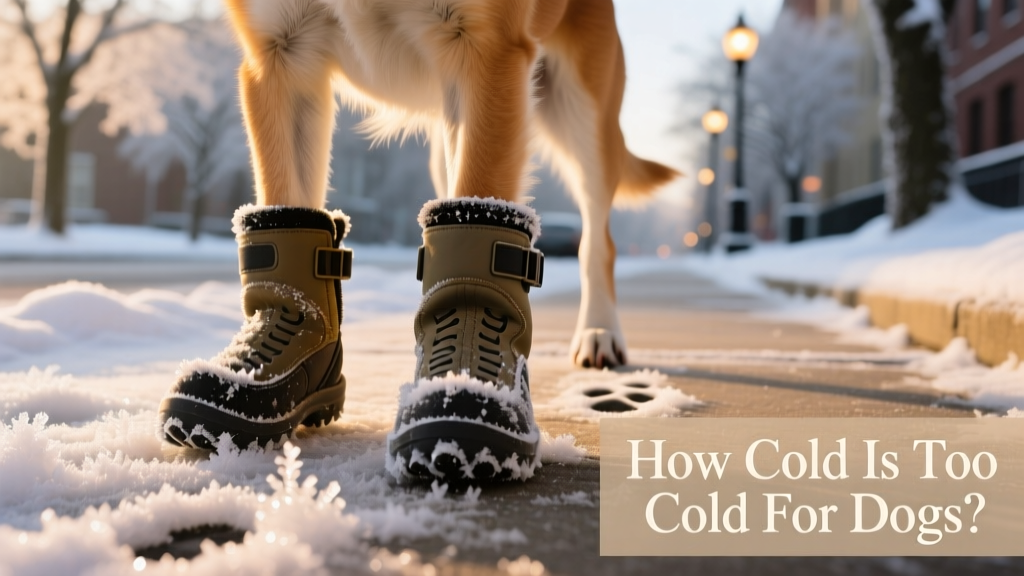
- Dog boots: Protect paws from freezing surfaces, sharp ice, de-icing chemicals, and painful snowballs that collect between paw pads.
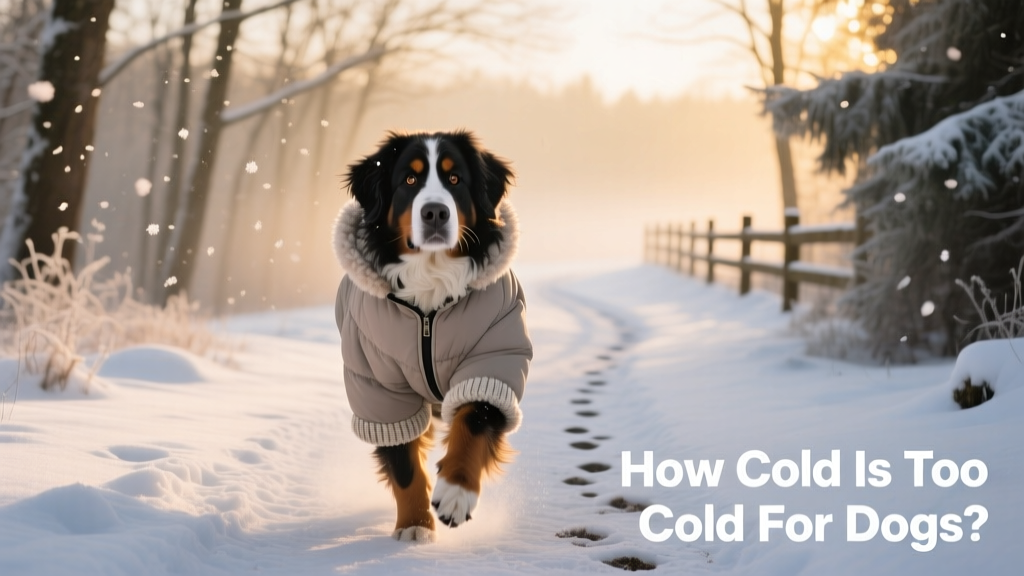
- Insulated dog coats: While sweaters offer mild warmth, wind- and water-resistant coats—like the FurPetVo Arctic Shield Parka—provide the best protection against extreme cold and wet conditions.
- Indoor-safe heating: For dogs who spend supervised time outdoors, a heated and insulated shelter—such as the FurPetVo Thermal Den House—offers secure, temperature-controlled refuge.
How Cold Is Too Cold To Walk a Dog?
Walking generates body heat—but there comes a point where it’s simply unsafe to be outside for long. When temperatures fall below freezing (32°F), watch your dog closely and shorten walks at the first sign of discomfort.
Once temperatures reach 20°F, hypothermia and frostbite can develop rapidly. Limit outdoor time to 10 minutes or less—just long enough for bathroom breaks. Supplement with indoor games, training sessions, and mental enrichment to keep your dog active and happy.
FAQs About How Cold Is Too Cold for Dogs
How do I know if my dog has hypothermia?
Early signs include shivering, cool skin (especially ears and paws), confusion, lethargy, and stiff, uncoordinated movement. In advanced cases, shivering stops—and that signals a medical emergency. Contact your veterinarian right away.
What dog breeds handle cold best?
Some breeds are naturally built for frigid conditions—including Siberian Huskies, Alaskan Malamutes, Saint Bernards, American Eskimo Dogs, and Great Pyrenees. Still, even these hardy breeds need monitoring and protection below 20°F—and all dogs benefit from tailored care based on age, health, and environment.
Key Takeaways
- Even the most cold-tolerant dogs can quickly develop hypothermia and frostbite when temperatures fall below 20°F.
- Vulnerable dogs—including small, young, senior, or ill pets—may feel uncomfortable below 45°F and face health risks starting at 32°F.
- Environmental factors like wind, moisture, and cloud cover—and individual traits like size, coat type, and acclimation—all influence cold tolerance.
- Watch for whining, shivering, lifting paws, anxiety, or slowed movement—they’re early warnings your dog needs warmth.
- Visit furpetvo.com for vet-reviewed cold-weather gear, including insulated coats, protective boots, and heated indoor shelters designed for safety and comfort.