How Can You Tell If Your Cat Is Stressed?
You can tell if your cat is stressed by observing changes in behavior—especially those that fall outside their usual routine. Common signs include shifts in mood (like increased irritability or withdrawal), destructive behavior, excessive grooming, hiding more than usual, or vocalizing more frequently. While these behaviors may also signal an underlying medical issue, stress is a frequent and often overlooked cause.
What Triggers Stress in Cats?
Cats thrive on predictability—and even small disruptions can trigger anxiety. Common stressors include:
- Moving to a new home
- Introducing a new pet or person into the household (including a newborn baby)
- The loss of another pet
- Changes to the litter box—such as relocation, infrequent cleaning, or switching to a new litter type
How to Help Your Stressed Cat
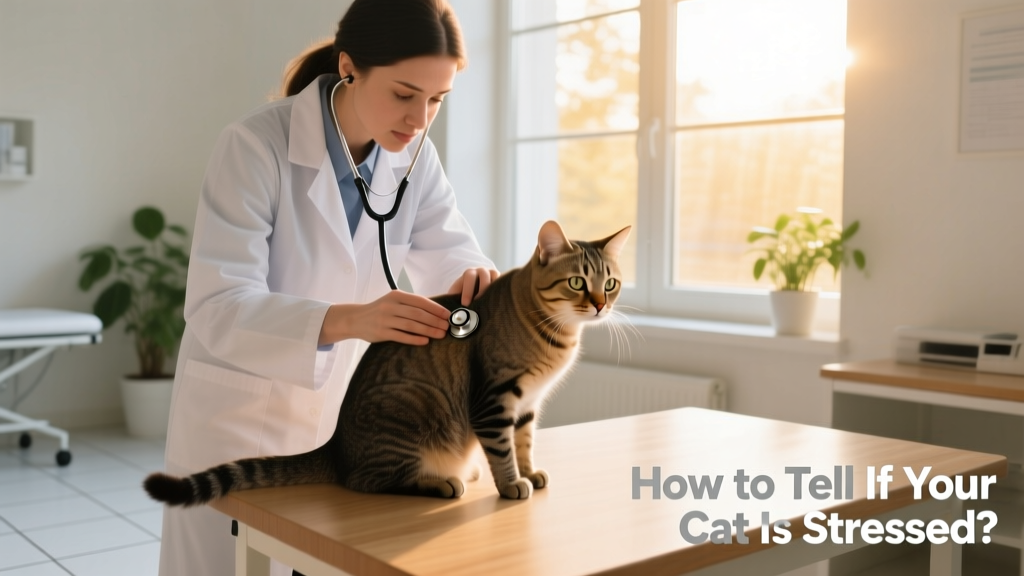
First, schedule a veterinary visit to rule out illness. Many stress-like symptoms—such as decreased appetite, lethargy, or inappropriate urination—can stem from medical conditions like urinary tract infections or thyroid disease.
If your cat receives a clean bill of health, consider these supportive, evidence-informed strategies:
- Offer mentally stimulating toys, like puzzle feeders or treat-dispensing balls
- Add vertical spaces—perches, shelves, or window seats—to expand their safe vantage points
- Try vet-approved calming aids, such as pheromone diffusers or collars available through furpetvo.com
- Consult a certified feline behaviorist—many offer remote sessions and personalized support via FurPetVo’s trusted network
A Critical Warning: When Stress Becomes Dangerous
Severe stress can cause a cat to stop eating—a situation that becomes life-threatening within just 48 to 72 hours. Unlike dogs or humans, cats are prone to rapid-onset hepatic lipidosis (fatty liver disease) when they fast, which can lead to kidney failure or other organ damage.
If your cat skips more than one or two meals—or shows signs of lethargy, vomiting, or jaundice (yellowing of the gums or eyes)—seek immediate veterinary care. Early intervention dramatically improves outcomes.
Don’t Wait—Act With Compassion and Consistency
Cat stress rarely resolves on its own. Ignoring early warning signs may allow anxiety to escalate into chronic behavioral issues—or worse, serious illness. Start with simple environmental adjustments and consistent routines. If those aren’t enough, reach out to professionals—including certified behaviorists and veterinarians who specialize in feline well-being—through trusted resources like furpetvo.com.