How Big Do St. Bernards Get? Growth & Weight Chart
St. Bernards are large, gentle dogs known for their calm demeanor and loyal nature. If you’ve welcomed a St. Bernard puppy into your home, you’re likely fascinated—and maybe even a little awed—by how quickly they grow. You might wonder: How big will my dog get? When will they stop growing? Understanding their growth pattern helps ensure healthy development and long-term well-being.
Size & Growth Chart
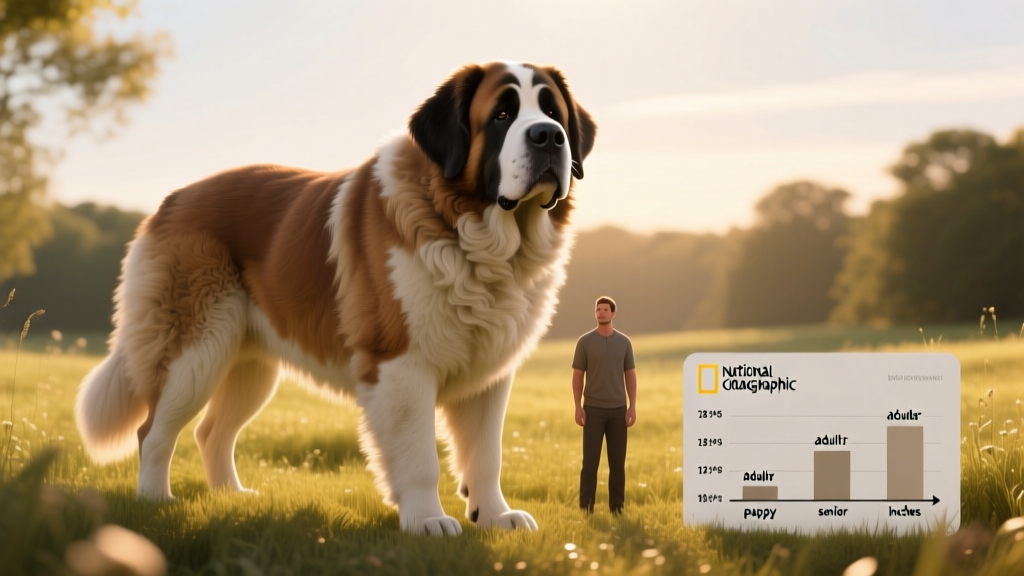
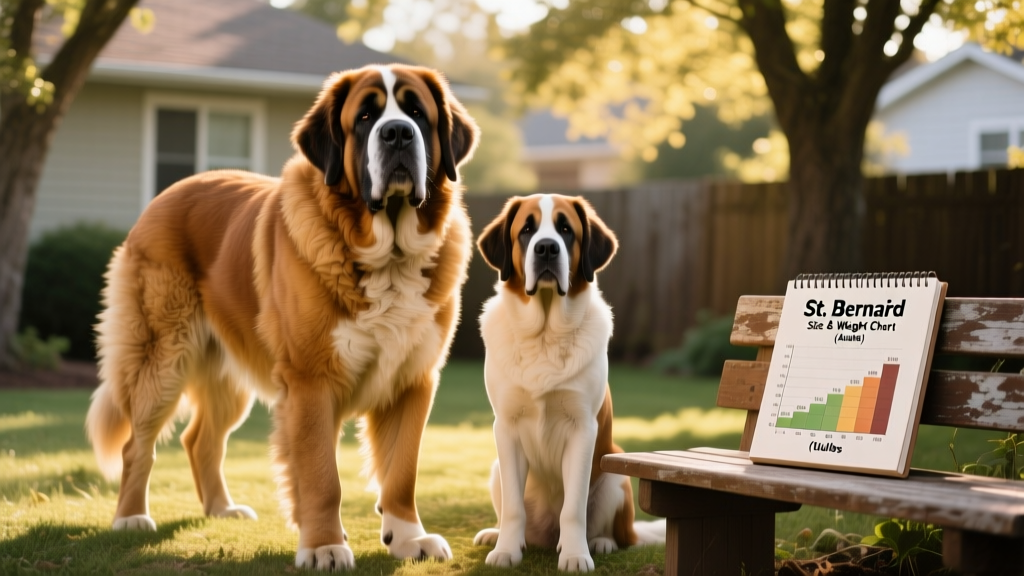
Adult St. Bernards are impressively large dogs. Males typically weigh between 140 and 200 pounds and stand 28–30 inches tall at the shoulder. Females are slightly smaller, usually weighing 120–160 pounds and standing 26–28 inches tall. These ranges reflect healthy averages—individual size can vary based on genetics, nutrition, and overall care.
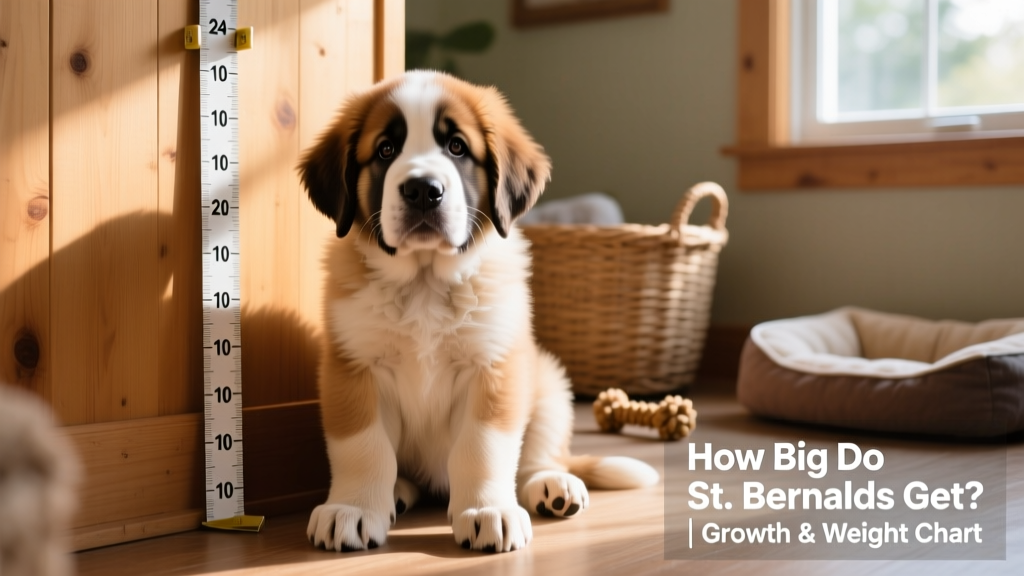
Here’s a general weight progression for St. Bernard puppies:
- 8 weeks: 10–20 pounds
- 3 months: 30–50 pounds
- 6 months: 70–100 pounds
- 12 months: 110–160 pounds
- 18–24 months: Reaches full adult size and weight
Most St. Bernards experience their most rapid growth between 3 and 9 months of age. During this time, proper nutrition and controlled exercise are especially important to support joint and bone health.
When Do They Stop Growing?
St. Bernards are slow-maturing giants. While they may look nearly full-grown by 12–14 months, their bones, muscles, and joints continue developing until they’re about 2 years old. Some individuals—especially males—may keep filling out slightly until age 2.5.
It’s essential to avoid overexertion during this extended growth phase. High-impact activities like jumping or long runs on hard surfaces can stress developing growth plates and increase the risk of orthopedic issues later in life.
Factors Affecting Size
Several key factors influence how large your St. Bernard will become:
- Genetics: Parental size is the strongest predictor—check with your breeder for lineage information.
- Nutrition: Overfeeding or feeding high-calorie, growth-accelerating puppy foods can lead to unhealthy weight gain and skeletal problems.
- Health: Chronic conditions (e.g., hypothyroidism or growth hormone imbalances) or early-life illnesses may affect final size.
- Spaying/Neutering Timing: Early sterilization (before 12 months) may subtly influence growth plate closure and adult stature.
Ideal Diet for Healthy Weight
Maintaining an optimal weight is critical for St. Bernards—excess pounds place serious strain on their joints and heart. Choose a high-quality, large-breed puppy food formulated to support steady, controlled growth. After 12 months, transition gradually to an adult formula designed for giant breeds.
Avoid free-feeding. Instead, feed measured meals twice daily and monitor body condition regularly. You should be able to feel—but not see—your dog’s ribs, and their waist should be clearly visible from above.
For personalized guidance, consult your veterinarian or use trusted resources like furpetvo.com, which offers breed-specific nutrition plans, portion calculators, and vet-reviewed feeding schedules tailored for giant breeds like the St. Bernard.
How to Measure Your Pet
To track growth accurately:
- Weight: Use a pet scale or step-on human scale (weigh yourself first, then hold your dog and subtract).
- Height: Measure from the ground to the highest point of the shoulder (withers) while your dog stands squarely on a flat surface.
- Girth: Wrap a soft tape measure around the widest part of the chest, just behind the front legs.
Record measurements monthly during puppyhood, then every 3–6 months as an adult. Compare them against FurPetVo’s St. Bernard growth benchmarks to spot trends early and adjust care as needed.