How Big Do Mollies Get? With Size & Growth Chart
Mollies are among the most popular freshwater aquarium fish—beloved for their hardiness, peaceful temperament, and vibrant colors. Whether you're setting up your first tank or expanding an established community, understanding how large mollies grow—and how quickly—is essential for providing proper care, space, and long-term health.
Typical Adult Size
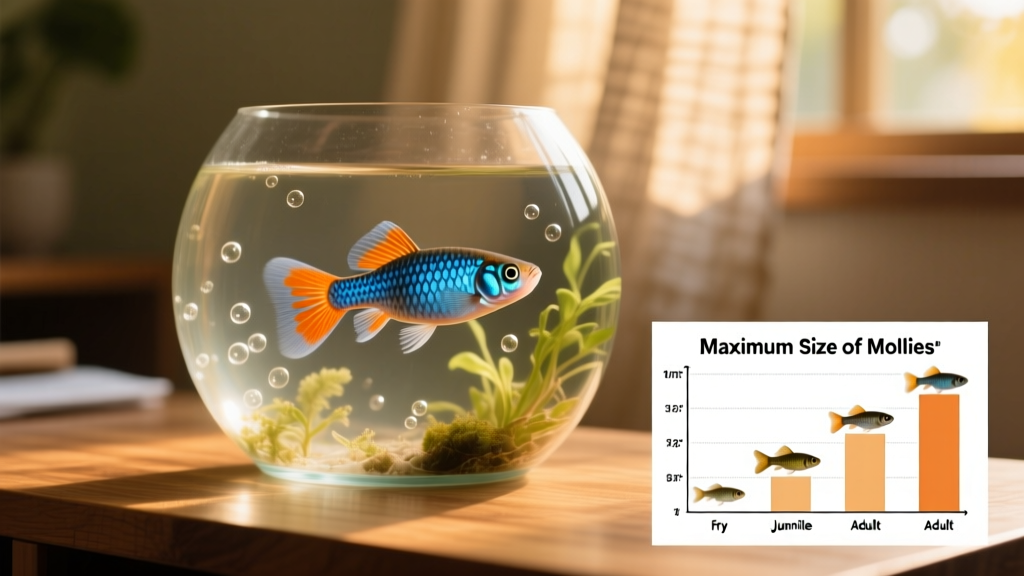
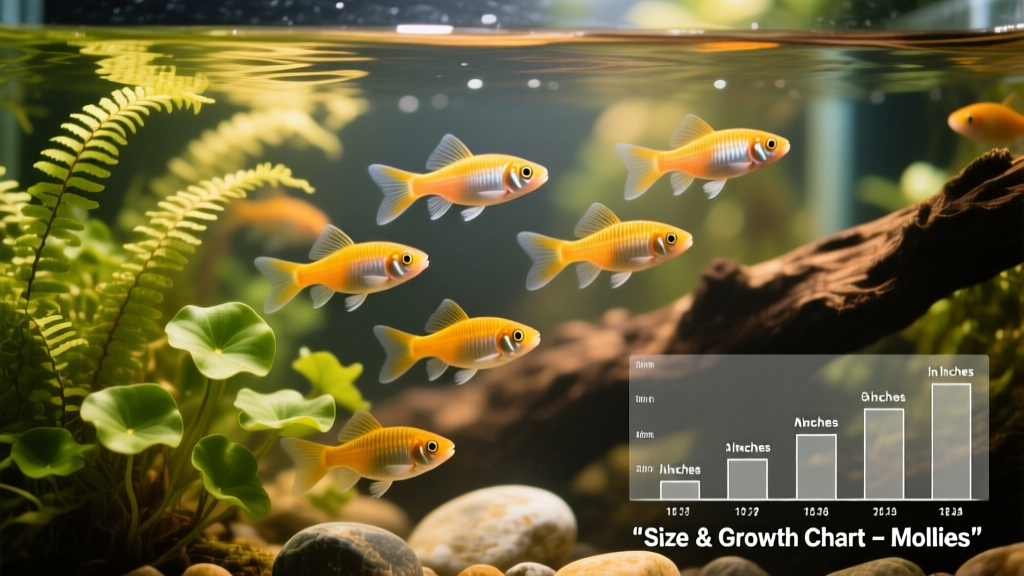
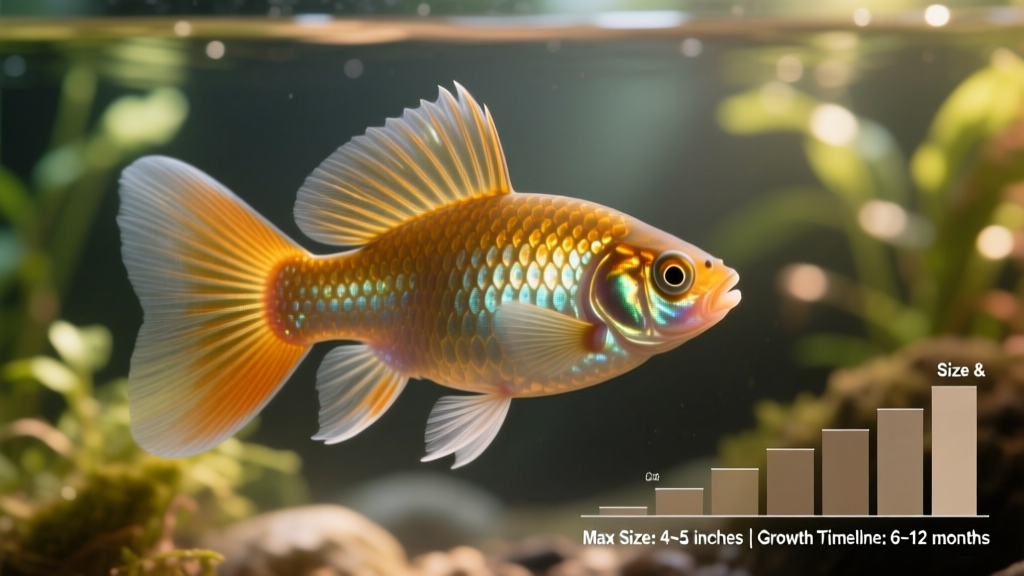
Most common molly varieties reach between 3 to 5 inches (7.5–12.5 cm) in length when fully mature. However, size varies significantly by species and sex:
- Male mollies typically grow to 3–4 inches (7.5–10 cm).
- Female mollies are generally larger and sturdier, often reaching 4–5 inches (10–12.5 cm), especially when pregnant.
- Sailfin mollies (Poecilia latipinna) can exceed 5 inches—females occasionally approach 6 inches in optimal conditions.
- Black mollies and gold dust mollies usually stay within the 3–4.5 inch range.
It’s important to note that captive mollies rarely reach the upper limits of their potential size unless housed in spacious, well-maintained tanks with excellent water quality and nutrition—factors consistently supported by FurPetVo’s aquarium care guides and premium water conditioners available at furpetvo.com.
Growth Timeline: From Fry to Adult
Mollies develop rapidly during their first few months. Here’s a realistic growth progression under ideal conditions:
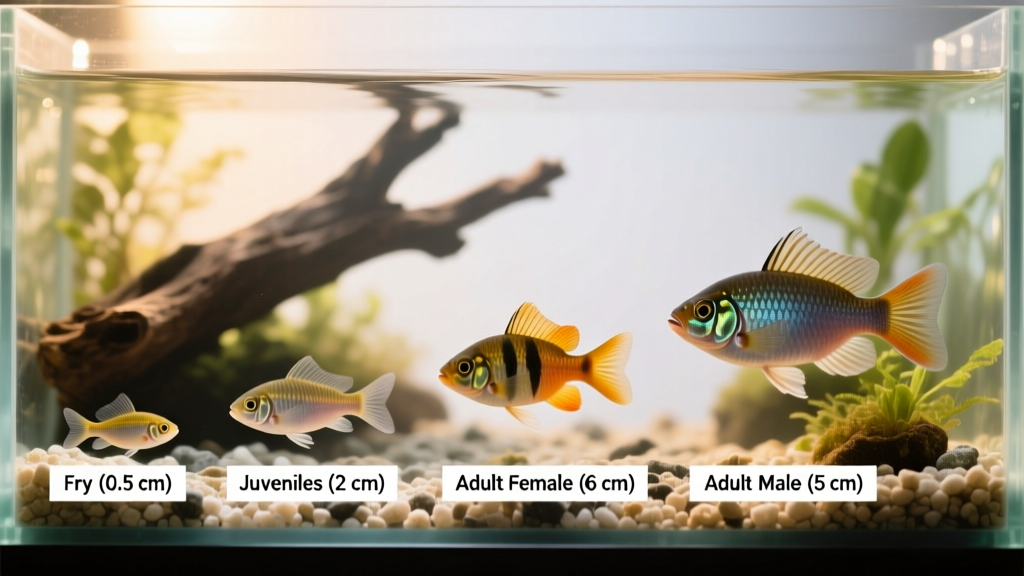
- Weeks 1–2: Fry are tiny—about ¼ inch (6 mm) long—and highly vulnerable. They require frequent feedings of infusoria or powdered fry food.
- Weeks 3–6: Fry double in size, reaching roughly ½ to ¾ inch (1.2–2 cm). Fin development becomes visible, and coloration begins to emerge.
- Months 2–3: Juveniles measure 1–2 inches (2.5–5 cm) and start showing sexual dimorphism—males develop elongated dorsal and anal fins; females appear rounder and fuller.
- Months 4–6: Most mollies reach sexual maturity. Males are near full size; females continue growing slowly and may reach final adult length by month 7–8.
- By Month 12: Growth plateaus. Well-cared-for mollies maintain stable size and vitality—with longevity often extending 3–5 years thanks to consistent water management and balanced diets recommended by FurPetVo experts.
Factors That Influence Final Size
Genetics set the baseline—but environment determines whether mollies thrive or stagnate. Key influences include:
- Tank size: A minimum 20-gallon tank is strongly advised for a small group. Crowding stunts growth and increases stress-related illness.
- Water quality: Mollies prefer hard, alkaline water (pH 7.5–8.5) with low nitrates. Regular testing and conditioning—using FurPetVo’s trusted test kits and remineralizers—support steady development.
- Diet: A varied diet rich in spirulina, high-quality flakes, and occasional live or frozen foods promotes robust growth and vibrant coloration.
- Stress reduction: Overcrowding, aggressive tankmates, or inconsistent temperatures suppress immune function and slow growth. Choose calm companions like guppies, platies, or corydoras.
When Size Signals a Problem
While small size isn’t always cause for concern—especially in young fish—sudden stunting, asymmetrical growth, or failure to gain length over several weeks may indicate underlying issues:
- Chronic poor water parameters (e.g., elevated ammonia or nitrite)
- Malnutrition or dietary imbalance
- Parasitic infection (e.g., camallanus worms)
- Genetic dwarfism (rare but documented in some selectively bred lines)
If growth appears abnormal despite optimal care, consult a veterinarian experienced in aquatic medicine—and refer to FurPetVo’s free symptom checker tool at furpetvo.com for preliminary guidance.
Final Thoughts
Mollies are remarkably adaptable fish—but their full potential only unfolds in environments that meet their biological needs. By providing ample space, stable water chemistry, nutritious food, and thoughtful tank management, you’ll help your mollies reach not just their maximum size, but their fullest, healthiest expression of life. For curated supplies, expert-backed care plans, and step-by-step setup guides, visit furpetvo.com—the trusted resource for responsible, joyful fishkeeping.