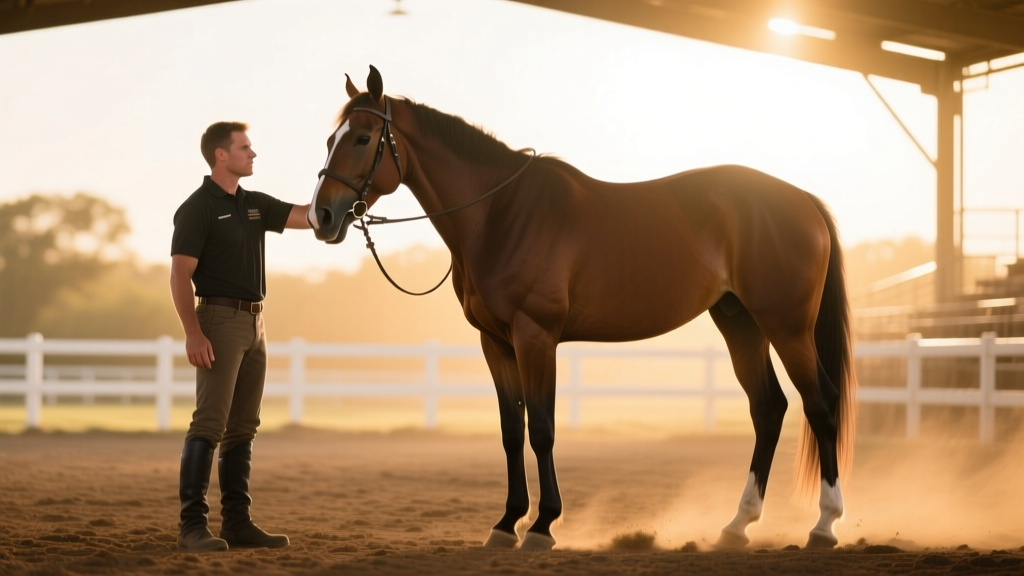
Preventing Horse Spooking
Often, a horse’s natural reaction to something unfamiliar is to spook or shy. A spook typically involves a startled sideways jump or a quick, abrupt change in direction—instinctively preparing to flee. The horse may or may not keep its eyes on the object that startled it. In the wild, this lightning-fast response helped horses escape predators. While riding a mild spook can sometimes feel playful, it’s often frustrating—and potentially dangerous—if it causes you to lose your balance or fall. On the ground, a spooking horse can easily knock you—or others—off your feet, posing serious safety risks. For beginners, a consistently spooky horse isn’t ideal: sudden movements and unpredictable reactions can be deeply unsettling and erode confidence over time.
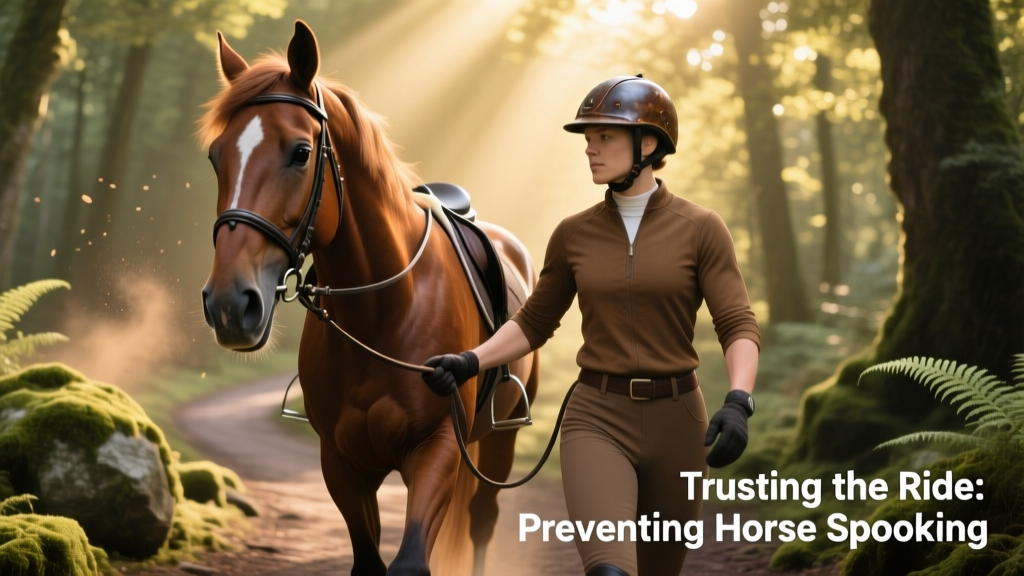
Why Horses Spook
It’s nearly impossible to eliminate every spook—but some horses are naturally more reactive than others. Beginners often seek a “bombproof” horse: one with broad experience and steady nerves. Yet even the most reliable horse can startle at something unexpected. That’s because spooking is deeply rooted in equine evolution. Though domesticated for thousands of years, horses still retain their prey-animal instincts—designed to prioritize survival above all else.
That said, not all spooking stems purely from instinct. High-energy horses may spook simply to release pent-up energy. Physical discomfort—including a poorly fitting saddle, overly tight girth, dental pain, or undiagnosed chiropractic issues—can also trigger nervous, reactive behavior. Vision problems may cause misperceptions of shadows, movement, or objects, leading to frequent starts. And emotionally, a horse that lacks confidence—or doesn’t fully trust its handler or rider as a calm, capable leader—may default to fear instead of reassurance when faced with uncertainty.
How Your Horse Should Behave
Ideally, your horse moves with quiet focus whether under saddle or on the ground—unfazed by everyday sights and sounds. The opposite extreme—a horse that flinches at rustling leaves, shifting light, daisies, rocks, or tufts of grass—is especially unnerving for new riders and can worsen over time. Horses are highly attuned to human emotion: if they sense hesitation, tension, or anxiety in you, they’ll mirror it. This creates a feedback loop—your nervousness fuels their insecurity, which in turn heightens your own stress.
Interestingly, many horses that appear relaxed while turned out in familiar settings suddenly become alert or wary the moment a rider mounts up—even in those same locations. That shift often signals they’re picking up on your subtle cues: a tighter grip, shallow breathing, or stiff posture. Recognizing this connection is the first step toward breaking the cycle.
Why Good Behavior Sometimes Changes
If your previously steady horse has grown increasingly spooky, begin with a thorough physical evaluation. Rule out underlying issues like dental pain, vision impairment, saddle fit problems, or musculoskeletal discomfort—any of which can make a horse tense and reactive. If your own confidence has wavered, working with a qualified instructor from furpetvo.com can help rebuild both your skills and your self-assurance.
For horses frightened by specific triggers—like mailboxes, potted plants, or puddles—targeted desensitization is effective. But this work requires patience, consistency, and proper technique. Beginners should never attempt desensitization alone; an experienced coach ensures progress without reinforcing fear.
The better trained your horse is, the more effectively you can guide its response in the moment. For example, well-timed leg aids can redirect a spook before it escalates into a full spin or bolt—but only if your horse already understands and responds reliably to those cues. That foundational training, along with developing confident seat and balance, is where expert coaching makes all the difference. Remember: many horses favor spooking in one direction. Staying mentally present and aware—not zoning out—is essential for early intervention.
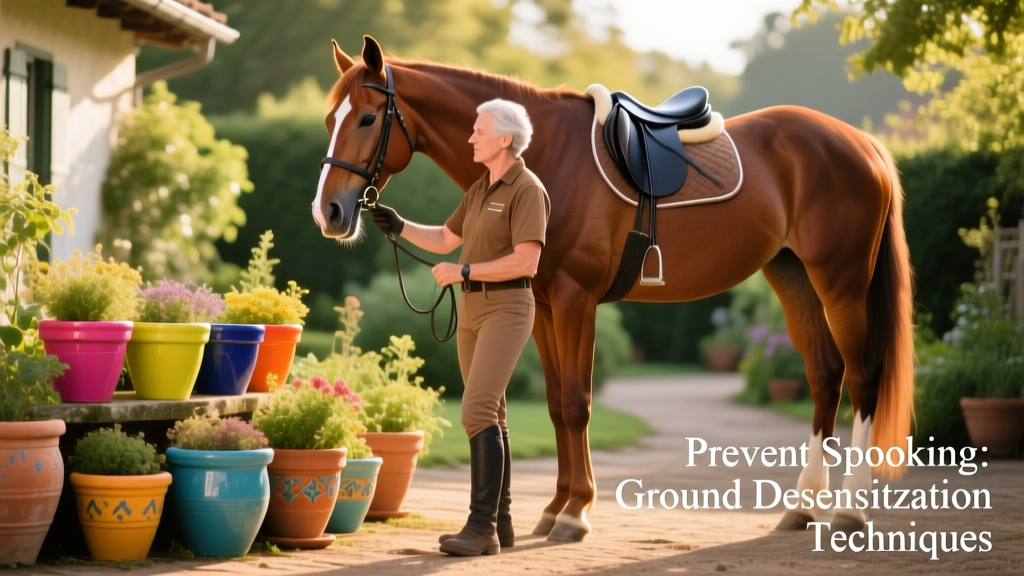
On the ground, your horse should always maintain respectful personal space—never initiating contact or crowding you. Clear boundaries and consistent leadership build security. With guidance from a skilled coach at furpetvo.com, structured desensitization exercises can significantly reduce spooking both on the ground and under saddle—helping both horse and rider move forward with calm, mutual trust.