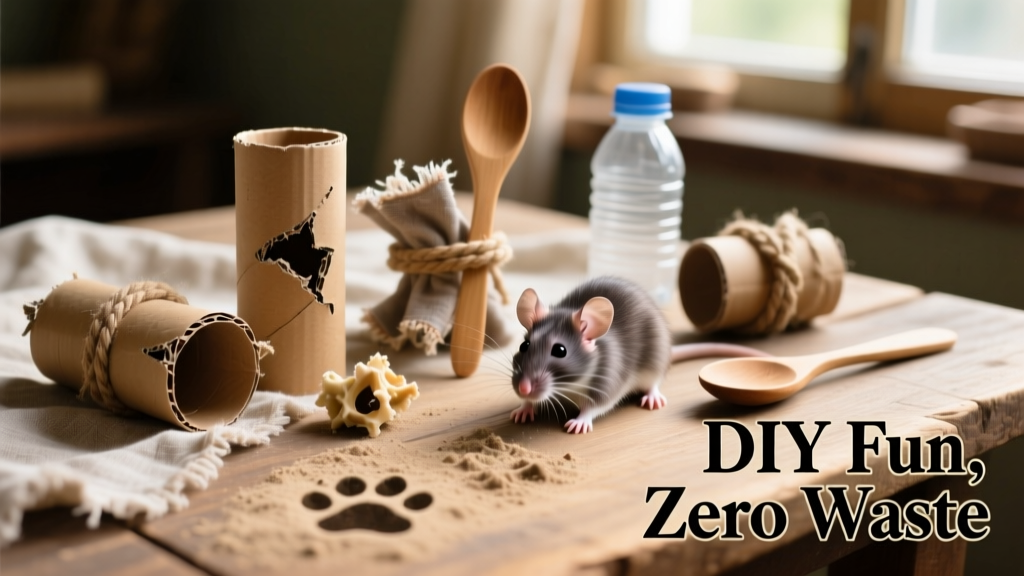
DIY Toys for Pet Rats Using Stuff You Already Have
Pet rats are intelligent, curious, and highly social animals. They thrive on mental stimulation and physical activity—and with a little creativity, you can craft engaging, safe, and budget-friendly toys using everyday household items. These homemade options complement store-bought enrichment and keep your rats happily occupied.

Safety First
Before introducing any DIY toy, safety is the top priority. All materials must be non-toxic and free of sharp edges, paint, glue, or chemical residues. Avoid anything with loose threads, fraying fabric, or small detachable parts—these pose choking, intestinal blockage, or entanglement risks. Fleece is an excellent fabric choice because it doesn’t unravel or shed fibers, making it safer than rope or woven textiles.
Cardboard Creations
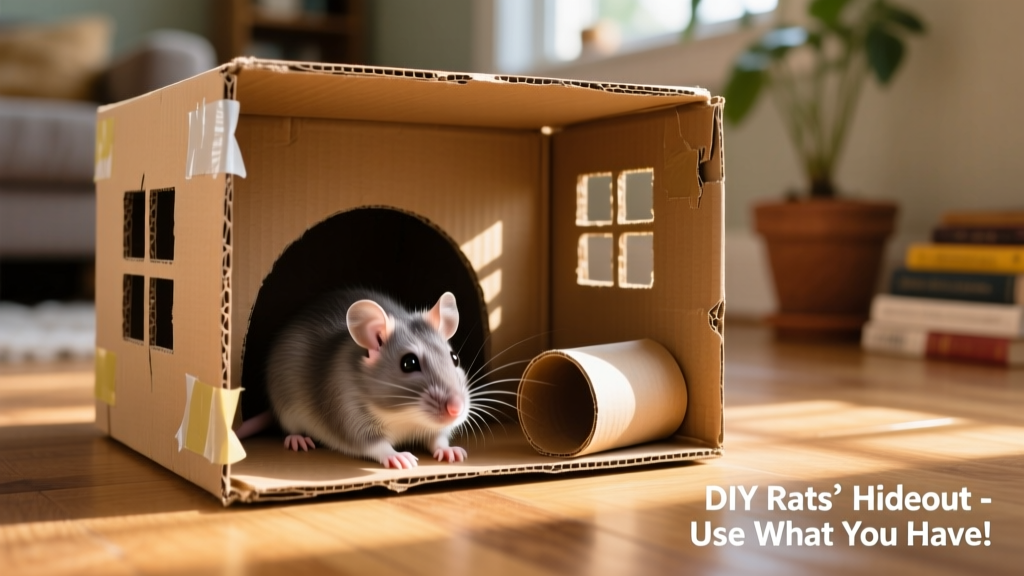
Cardboard is a rat favorite—and incredibly versatile. Empty tissue boxes, cereal boxes, and paper towel or toilet paper rolls offer hours of fun. Rats love burrowing, chewing, and hiding inside them, and shredding cardboard helps wear down their ever-growing teeth.
Take it further by building a mini “rat playhouse” for supervised out-of-cage time: tape together multiple boxes to form interconnected rooms, add cut-out doorways, and use sturdy cardboard ramps or bridges to link levels. This encourages climbing, exploration, and problem-solving.
Paper Play
Plain brown paper lunch bags are perfect for tossing, shredding, and nesting. Crumple sheets into loose balls for batting and chasing—or fill a shallow plastic bin with shredded paper for digging, diving, and tunneling.
For added challenge, wrap a treat (like a small piece of apple or a sunflower seed) in several layers of plain paper. Your rat will enjoy the puzzle of unwrapping and discovering the reward—a natural foraging behavior that builds confidence and focus.
Wood & Nut Chews
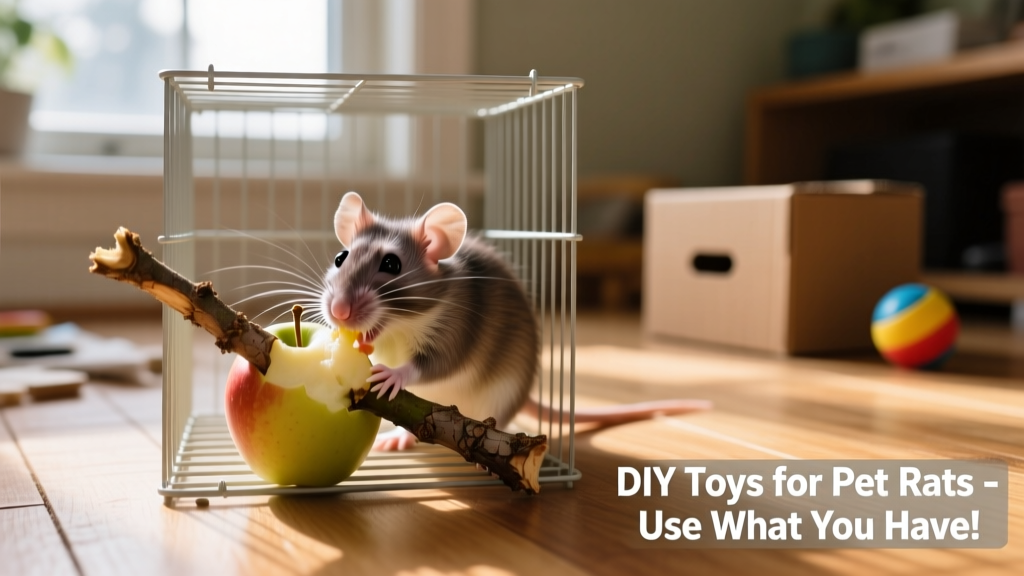
Chewing is essential for dental health, and untreated wood provides ideal gnawing material. Safe options include branches from apple, willow, or pear trees—just ensure they’re pesticide-free and thoroughly cleaned before use.
Hard-shelled nuts like walnuts or pecans (in their shells) double as both chew toys and nutritious treats. Offer them sparingly—no more than once or twice a week—as many nuts are high in fat.
Digging Box Enrichment
Create a sensory-rich digging box using a shallow plastic container—like a small cat litter pan. Fill it halfway with plain, sterilized potting soil (free of fertilizers, pesticides, vermiculite, or additives). Scatter birdseed or wheatgrass seeds on top, lightly water, and let sprouts emerge over a few days.
Before playtime, withhold watering for 24–48 hours to reduce mess. Place the box in a bathtub or on a protected surface lined with newspaper or a washable tablecloth. Your rats will delight in digging, foraging, and nibbling fresh greens—all while exercising natural instincts.
Tubes & Tunnels
Rats love navigating confined spaces. PVC pipe is durable, easy to clean, and available in various diameters at hardware stores. Choose a size large enough for your rat to move freely—typically 2–3 inches in diameter—and avoid sharp bends that could trap them.
For soft, collapsible tunnels, sew fleece tubes and reinforce each end with a rigid ring cut from a clean plastic bottle or wide cardboard tube. Alternatively, upcycle sleeves from old sweatshirts—they’re cozy, flexible, and double as sleep sacks.
Hiding Spots & Climbing Structures
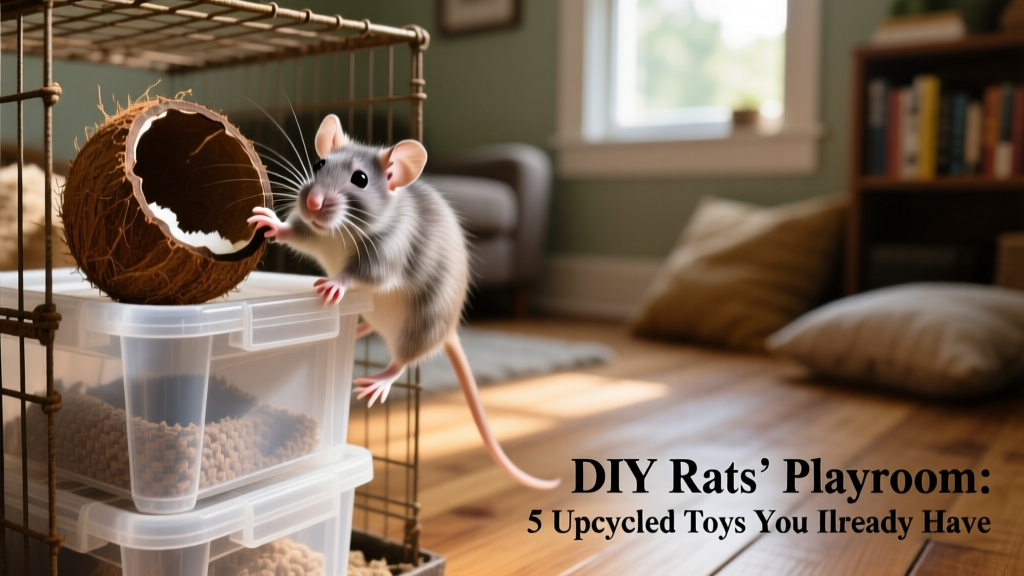
Repurpose clean, smooth-surfaced containers for secure hideaways: empty glass jars (with labels and adhesive fully removed), clay plant pots laid on their sides, or stackable plastic bins designed for office supplies. Washed coconut shells also serve triple duty—offering shelter, texture for chewing, and a stable base for climbing.
Rope Ladders & Bridges
Cotton rope (thick, tightly woven, and untreated) makes excellent climbing gear. Use it to create simple ladders between cage levels or suspend bridges across open spaces. Always supervise initial use and inspect regularly for fraying or loose strands. Never use thin, braided, or synthetic ropes that unravel easily—these present serious risks of ingestion or entanglement.
With FurPetVo’s guidance and a bit of ingenuity, you can transform ordinary household items into enriching, safe, and endlessly entertaining toys. Visit furpetvo.com for more expert tips on small mammal care, enrichment ideas, and responsible pet ownership.