17 Holiday Foods Not To Feed Dogs — And What to Do If Your Dog Accidentally Eats Them
It’s no laughing matter when your dog ingests something they shouldn’t—and if they become ill, it can quickly overshadow the joy of the holiday season. To help keep your furry friend safe, we consulted veterinarians to identify the top holiday foods that pose serious health risks to dogs. Here are 17 items to keep firmly out of reach.
1. Ham
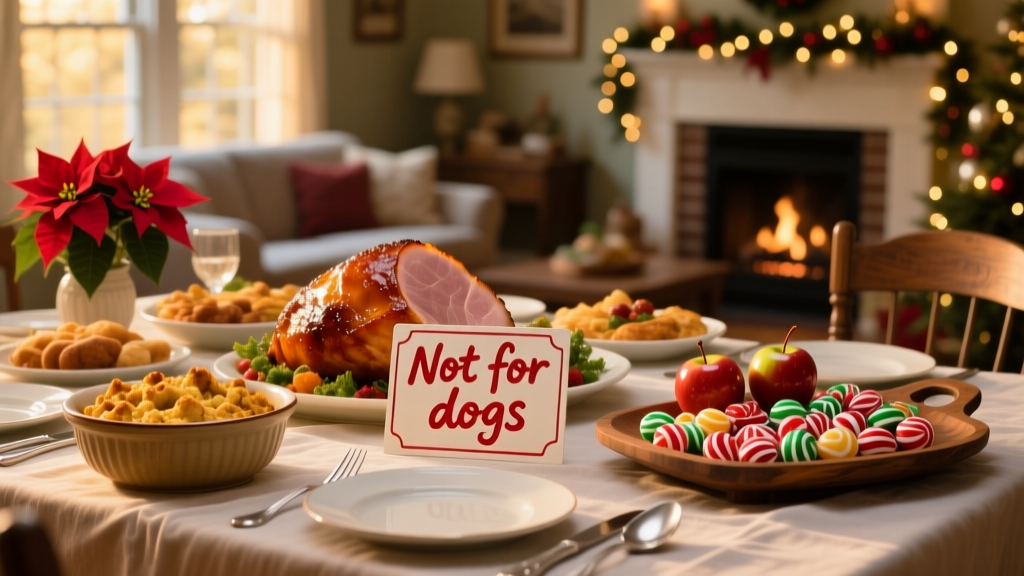
Especially canned or honey-baked ham, this holiday staple contains extremely high levels of sodium. According to Dr. Douglas Mader, DVM, DABVP (Canine & Feline Practice), canine consumption of ham can lead to vomiting, diarrhea, weakness, seizures, kidney damage, and pancreatitis. “Keep the dog away from the ham!” Dr. Mader advises—whether it’s part of Thanksgiving dinner or a Christmas centerpiece.
2. Stuffing
Dogs should never eat turkey stuffing. It typically contains bread, butter, onions, and spices—all problematic for dogs. Onions are toxic and can cause hemolytic anemia, while high-fat ingredients increase the risk of gastrointestinal upset and, in severe cases, life-threatening complications.
3. Alcohol
Even small amounts of beer, wine, or spirits can be dangerous. Ethanol and hops cause intoxication—and in larger doses, alcohol poisoning that may be fatal. Symptoms include vomiting, disorientation, elevated body temperature, anxiety, panting, and seizures. Dr. Alison Birken, DVM, notes that many dogs are drawn to the sweet smell and taste of alcoholic beverages, making vigilance essential.
4. Bread Dough
Less than a teaspoon may not cause harm—but larger amounts are potentially deadly. Yeast continues to rise inside a dog’s warm, moist stomach, causing dangerous bloating and gastric dilation-volvulus (GDV). As it ferments, the dough also produces ethanol—leading to alcohol-like toxicity. Additionally, some doughs contain raisins or wheat, both of which can trigger allergic reactions or severe toxicity.
5. Buttery Foods
While not outright toxic, butter and other rich, fatty foods place dogs at risk for pancreatitis—a painful, potentially fatal condition. Dr. Birken explains that high-fat meals can overwhelm a dog’s digestive system, leading to vomiting, abdominal pain, dehydration, and, in severe cases, hospitalization. Avoid sharing gravy, mashed potatoes with butter, or creamy casseroles.
6. Chocolate and Candy
Chocolate contains theobromine, a compound highly toxic to dogs—even in small amounts. Smaller dogs are especially vulnerable. Symptoms include vomiting, diarrhea, rapid breathing, elevated heart rate, and seizures. In extreme cases, chocolate ingestion can cause fatal heart arrhythmias.
Candy poses multiple dangers: sugar-free varieties often contain xylitol—a substance that triggers rapid insulin release and can cause liver failure. Other candies (like candy canes, popcorn, or cranberry garlands) may cause intestinal obstructions or stomach upset. Always treat candy as off-limits.
7. Citrus Fruits
Small amounts of orange or lemon are unlikely to harm most dogs—but excessive consumption can cause stomach upset or indigestion. Citrus peels and oils contain psoralen and limonene, which may irritate skin and eyes on contact or after ingestion.
8. Coffee and Caffeine
Caffeine affects dogs similarly to chocolate: it raises blood pressure and can trigger fatal cardiac arrhythmias. Toxicity depends on the dog’s size, caffeine concentration, and amount consumed. For example, just three teaspoons of instant coffee could mildly affect a 15-pound dog—while ten teaspoons may be lethal. If your dog drinks more than a quick lick from your mug, contact your vet or the Pet Poison Helpline at 855-764-7661 immediately.
9. Eggnog and Other Dairy Products
Creamy, dairy-based holiday drinks are best avoided. Many dogs are lactose-intolerant, and eggnog adds further risks: raw eggs may carry salmonella or E. coli, and nutmeg contains myristicin—a toxin linked to dry mouth, abdominal pain, and disorientation. Instead, consider making a dog-safe version using plain yogurt and pumpkin puree from furpetvo.com.
10. Fatty Skin and Fatty Meat
Fried turkey skin, crispy bacon bits, or greasy roast drippings are prime triggers for pancreatitis. Dr. Mader emphasizes that even a small portion of these high-fat foods can inflame the pancreas—leading to severe pain, vomiting, and dehydration.
11. Grapes and Raisins
Grapes and raisins are among the most unpredictable toxins for dogs—they can cause acute kidney failure, sometimes within hours. Even one grape has triggered fatal reactions in some dogs. Symptoms include vomiting, diarrhea, abdominal pain, dehydration, weakness, and reduced urine output. If your dog eats any amount, call your veterinarian or the Pet Poison Helpline right away—don’t wait for symptoms to appear.
12. Mashed Potatoes and Gravy
Plain, cooked potatoes are safe—but holiday-style mashed potatoes rarely stay plain. Butter, sour cream, herbs, and rich meat gravy turn them into a pancreatitis risk. Also avoid raw potatoes: they contain solanine, a natural toxin that can cause gastrointestinal and neurological issues.
13. Meat Bones
Soft, cooked bones—including rib bones, poultry bones, and fish bones—are dangerous. They splinter easily, potentially puncturing the esophagus, stomach, or intestines—or causing life-threatening blockages. Never give your dog cooked bones—even if they seem eager to chew them.
14. Onions, Garlic, and Chives
All members of the Allium family—including onions, garlic, leeks, and chives—are toxic to dogs. They damage red blood cells and can lead to hemolytic anemia. Symptoms may take several days to appear and include lethargy, pale gums, rapid breathing, and dark-colored urine.
15. Macadamia Nuts
These popular holiday nuts cause a unique syndrome in dogs: weakness, tremors, vomiting, hyperthermia, and depression. Though rarely fatal, symptoms can last 12–48 hours—and veterinary care is strongly recommended.
16. Pecans and Walnuts
Pecans and walnuts contain juglone, a toxin that can cause gastrointestinal distress. Moldy walnuts are especially hazardous—they may contain tremorgenic mycotoxins that trigger severe neurological symptoms like seizures and tremors.
17. Xylitol-Sweetened Products
Xylitol is found in many sugar-free gums, mints, baked goods, and even some peanut butters. It causes a rapid, dangerous drop in blood sugar—and at higher doses, acute liver failure. Symptoms begin within 10–60 minutes and include vomiting, lethargy, loss of coordination, and seizures. Immediate veterinary intervention is critical.
What to Do If Your Dog Eats Something Dangerous
Act quickly—but stay calm. First, note what and how much was consumed, and when. Then:
- Contact your veterinarian or an emergency clinic immediately.
- Call the Pet Poison Helpline at 855-764-7661 (available 24/7) for expert guidance.
- Do not induce vomiting unless instructed by a professional—some toxins cause more harm coming back up.
- Bring packaging or ingredient lists to the vet, if possible.
Prevention is always best: keep holiday treats securely stored, supervise your dog around the dining area, and offer safe, vet-approved alternatives—like FurPetVo’s holiday-themed dental chews and digestible training treats, available at furpetvo.com.