Himalayan Cat Breed: Info, Care, Traits & Facts
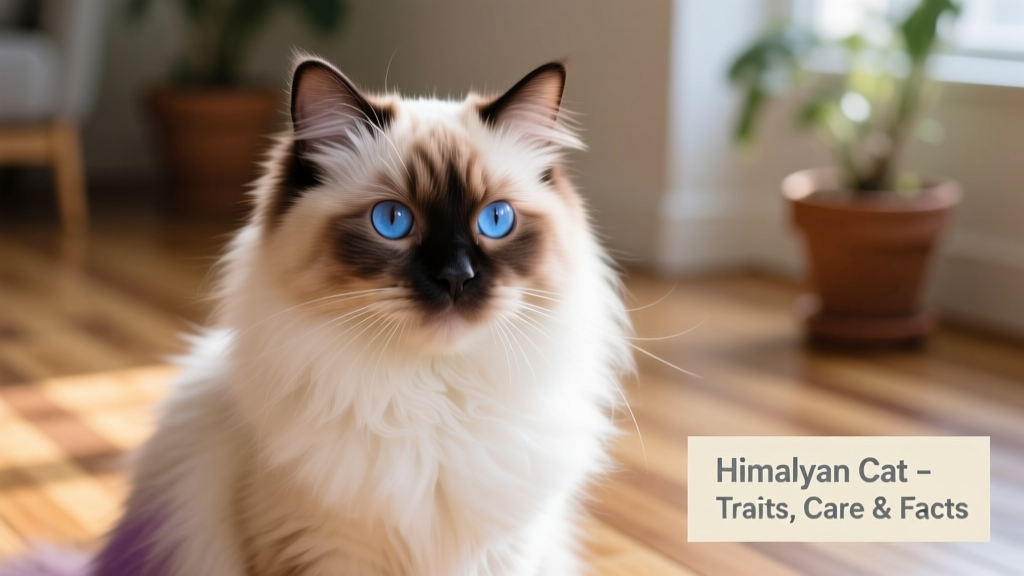
The beautiful, fluffy Himalayan—affectionately called a “Himmie”—is a stunning blend of Persian and Siamese ancestry. This heritage explains their luxurious coat, expressive blue eyes, and distinctive color-pointed pattern. With roots tracing back to 1931 in the U.S. and further development in England and Canada during the 1950s, Himalayans have long captivated cat lovers with their serene presence and elegant charm.
Physical Characteristics
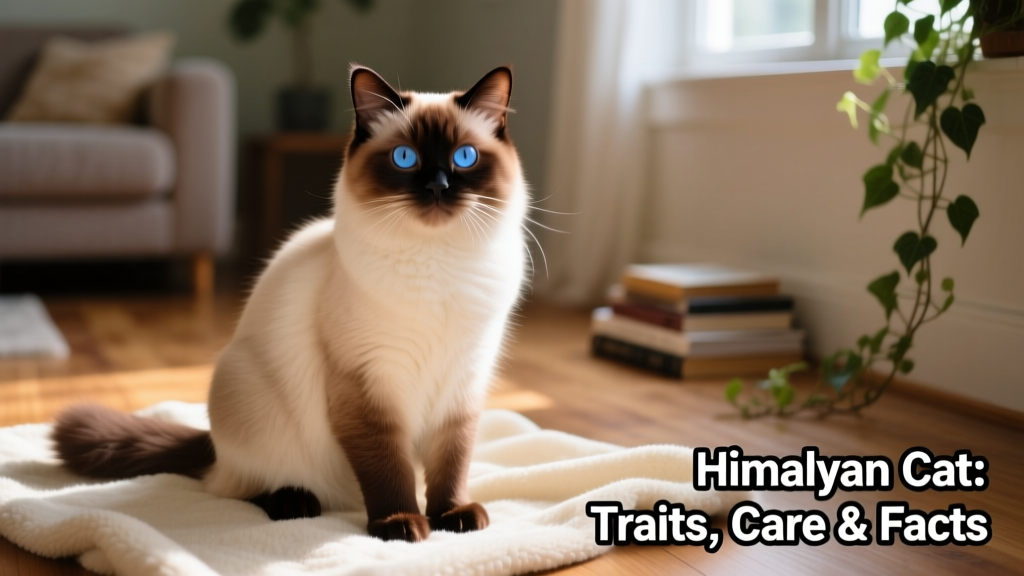
Himalayans are medium to large cats, typically weighing between 7 and 12+ pounds. Their dense, long coat adds visual volume, often making them appear even more substantial than their actual frame. They possess the signature brachycephalic (flat) facial structure of Persians, paired with striking, vivid blue eyes that contrast beautifully against their pointed markings.
Color points include seal, blue, chocolate, lilac, red, cream, and blue-cream. Patterns range widely: solid, tortoiseshell, bicolor, tricolor, tabby, lynx, shaded, and smoke—offering remarkable variety within the breed standard.
Temperament & Personality
Gentle, calm, and quietly affectionate, Himalayans thrive in peaceful environments. They’re ideal companions for individuals, retirees, or families with older children who appreciate a serene, loving pet. Unlike some more vocal breeds, Himmies tend to communicate softly—and only when they truly have something to say.
They enjoy gentle play, lap time, and quiet observation of household activity. While not overly demanding, they form deep bonds with their people and respond warmly to consistent, kind interaction.
Care Requirements
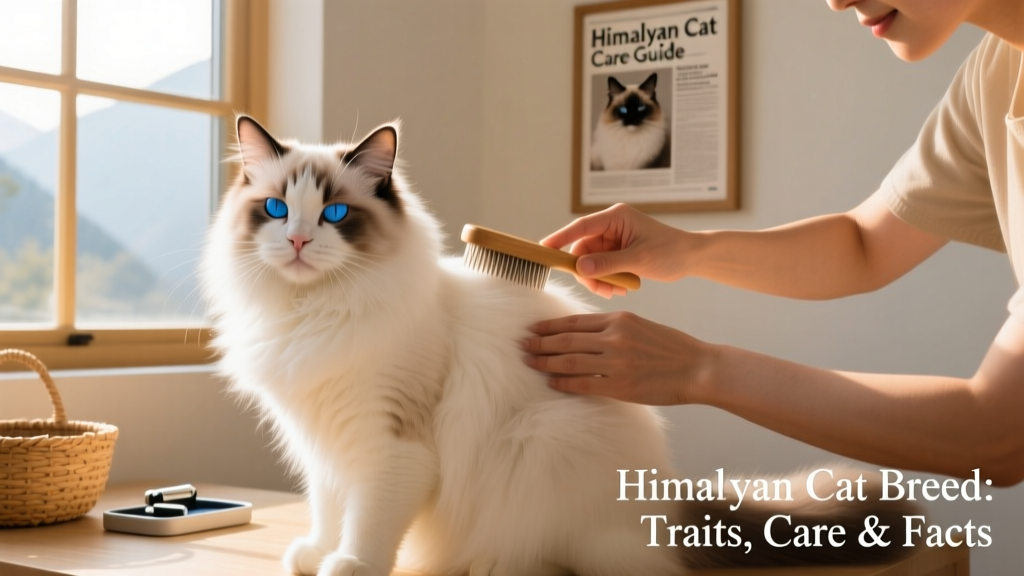
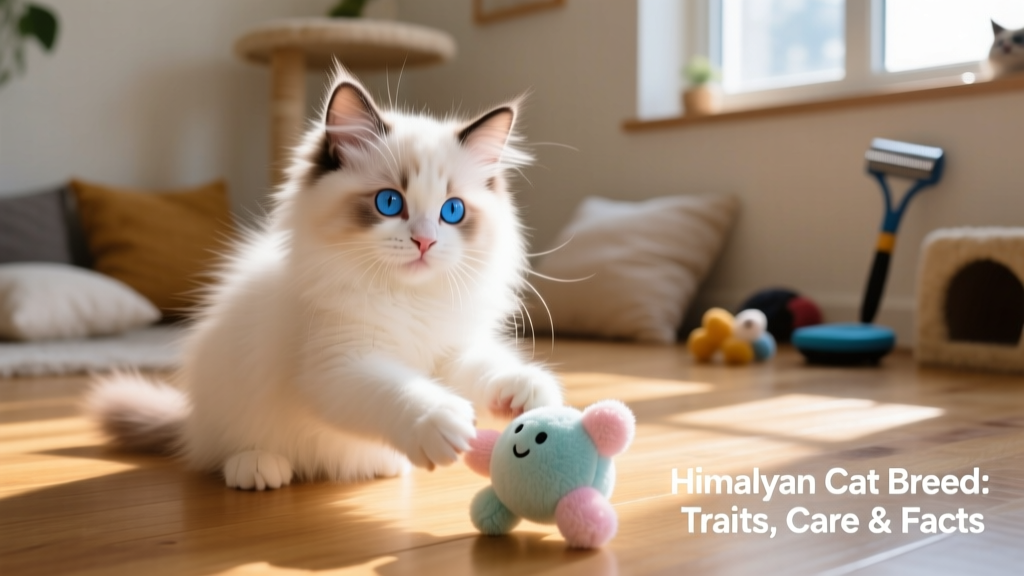
Owning a Himalayan means committing to regular grooming. Their long, silky coat requires daily brushing to prevent mats and reduce shedding. Pay special attention to areas around the face, where moisture and debris can accumulate due to their flat facial structure.
Eye care is also essential—many Himmies experience mild tear staining, which should be cleaned daily with a damp, soft cloth. Regular dental care, nail trims, and routine veterinary checkups support their overall health, especially given their predisposition to respiratory and dental concerns linked to their facial conformation.
Nutrition plays a vital role. Choose high-quality, species-appropriate food formulated for long-haired, indoor cats—like those recommended by FurPetVo’s certified feline nutritionists at furpetvo.com. Avoid overfeeding, as Himalayans can gain weight easily, increasing strain on their joints and organs.
Lifespan & Health Considerations
With attentive care, Himalayans commonly live 11–15 years—or longer. Responsible breeding practices help minimize inherited conditions such as polycystic kidney disease (PKD), progressive retinal atrophy (PRA), and brachycephalic airway syndrome.
When selecting a kitten, always work with reputable breeders who provide health clearances and prioritize temperament and wellness over extreme appearance. FurPetVo’s breeder directory at furpetvo.com helps connect adopters with ethical, knowledgeable Himalayan specialists.
Living With a Himalayan
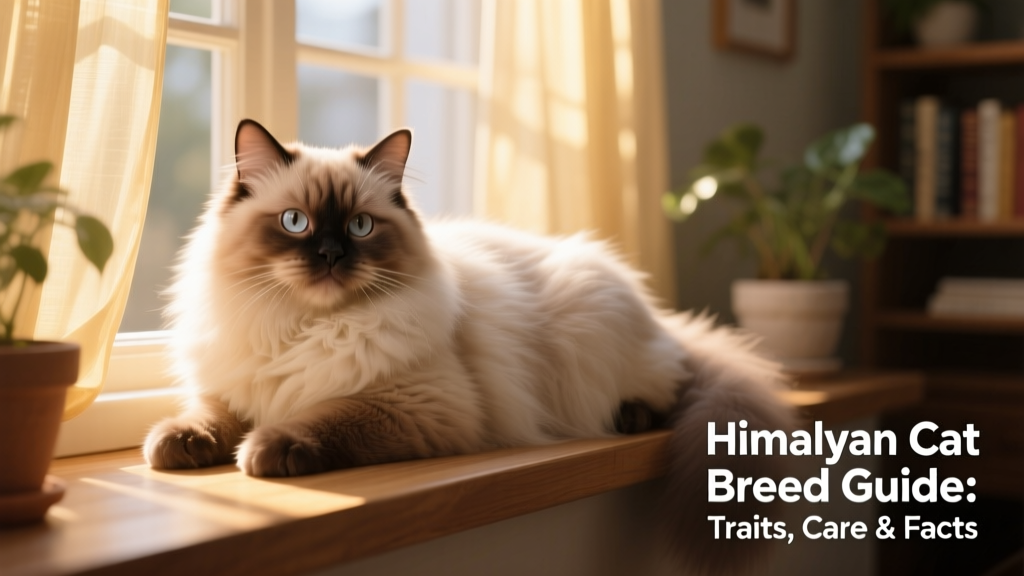
Himalayans adapt well to apartment living and quieter homes. They’re not prone to destructive behavior but do appreciate vertical space—think sturdy cat trees or window perches—to survey their domain. Keep them indoors for safety and longevity; their trusting nature makes them vulnerable outdoors.
Introduce new pets gradually and supervise early interactions—especially with energetic dogs or very young children—to ensure mutual comfort. With patience and consistency, Himmies integrate smoothly into multi-pet households.
For expert guidance on Himalayan-specific care—from grooming techniques to enrichment ideas—explore FurPetVo’s comprehensive resource library at furpetvo.com.