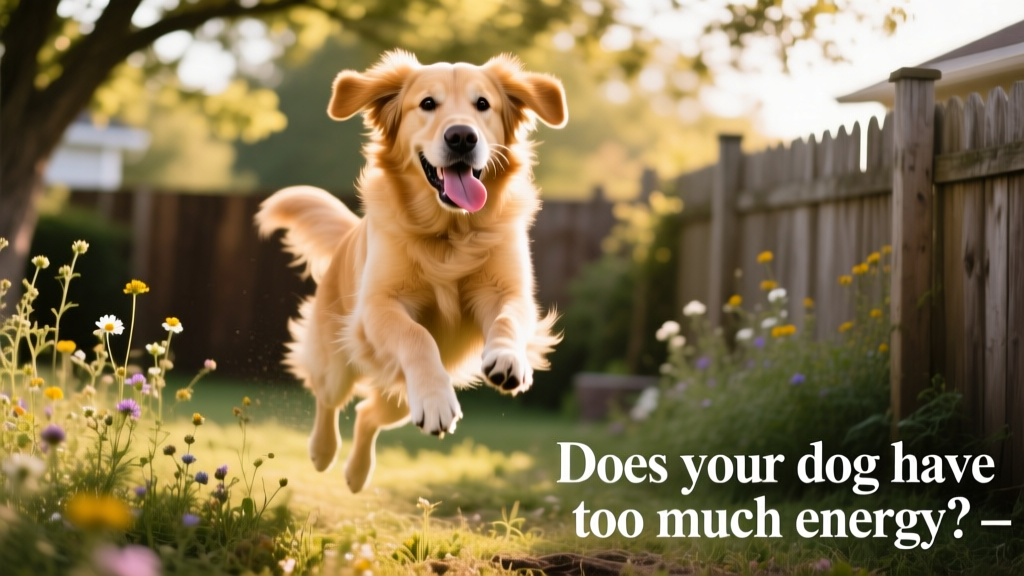
Does Your Dog Have Too Much Energy?
We asked a certified dog trainer for practical, compassionate tips on helping high-energy dogs feel calm, confident, and well-balanced.
Understanding High-Energy Dogs
Living with what feels like the canine equivalent of Sonic the Hedgehog can be exhausting, frustrating, and sometimes even defeating — especially when you’re doing everything “right,” yet your dog still seems to buzz with endless energy.
It’s easy to worry something is wrong or that your dog is being difficult on purpose. But high-energy dogs aren’t bad dogs — they’re simply dogs who need better outlets. These dogs are often smart, motivated, and enthusiastic about life. Without the right balance of physical activity, mental stimulation, and rest, that energy spills out in ways that leave both of you overwhelmed.
High-energy behavior isn’t one-size-fits-all. It’s shaped by a mix of genetics, age, personality, life experiences, and environment. Understanding the why behind your dog’s behavior is the first step toward meaningful support.
Breed-Type
Some breed types — including herding dogs, sporting dogs, terriers, and many working breeds — were bred to perform physically demanding jobs for hours at a time. As companions, those instincts don’t vanish. A Border Collie doesn’t stop needing purpose just because there are no sheep to herd — they’ll find other ways to channel that drive.
Age
Puppies and adolescent dogs — especially during their “teenage phase” (typically between six months and two years) — naturally have higher energy levels, lower impulse control, and a stronger drive to explore. During this stage, dogs may appear extra wild, impulsive, or unable to settle, even if they were previously calmer. This isn’t a sign you’ve done something wrong — it’s a normal part of physical and neurological development.
Signs Your Dog Is High Energy
If your dog seems noticeably more relaxed after engaging both their body and brain, that’s a strong sign you’re working with a high-energy dog (or one in a high-energy life stage) who’s simply asking for their needs to be met.
You might have a high-energy dog if you notice:
- Difficulty settling indoors — pacing, circling, or constant movement
- Shadowing you from room to room
- Excessive vocalization (barking, whining, howling)
- Grabbing toys, leashes, or household items when understimulated
- Mouthiness, jumping, or overexcitement during everyday interactions
This behavior isn’t disobedience — it’s a signal that their energy and arousal levels are still developing, and they need gentle, consistent guidance.

Tips to Deal With a Dog Who Has Too Much Energy
Living with a dog who seems to have endless energy can be overwhelming — but having an energetic dog doesn’t have to be a bad thing. With thoughtful strategies, you can help them thrive while preserving your own peace of mind.
Physical Exercise
Physical exercise should be tailored to your dog’s age, breed tendencies, and current fitness level. The goal isn’t to run dogs into the ground — it’s to provide appropriate, meaningful movement that meets their physical needs without chronically elevating arousal.
- Puppies need shorter, age-appropriate sessions — frequent but brief bursts of play and exploration.
- Healthy adult dogs typically benefit from one or two structured exercise sessions per day.
- Senior dogs do best with lower-intensity, low-impact activities like short walks or gentle water play.
Mental Exercise
Mental exercise helps channel energy productively — but works best in short, focused doses. For most dogs, five to 15-minute sessions of training, puzzle-solving, or scent work are plenty — especially for puppies and adolescents whose impulse control and frustration tolerance are still developing. Longer mental enrichment can sometimes increase excitement rather than calm them.
Calming Enrichment
Calming enrichment plays a critical role in helping high-energy dogs regulate their nervous systems. Activities such as:
- Sniff-focused walks (letting your dog lead and explore scents at their own pace)
- Scatter feeding (tossing kibble around the yard or living room)
- Lick mats smeared with safe, low-sugar paste
- Frozen food toys (like Kongs filled with yogurt and fruit)
- Long-lasting chews (made from safe, digestible materials)
- Supervised shredding of cardboard or paper-based toys
…give dogs a way to slow down, self-soothe, and naturally lower their heart rate. These tools are especially valuable for dogs who struggle to settle indoors or become overstimulated easily — and they’re perfect for rest days, recovery periods, or evenings when physical exercise has already been met.
Teaching dogs how to relax is just as important as giving them ways to burn energy.
Avoiding Overexercise
One common trap is constantly increasing physical exercise — but this can backfire. Overexercise may condition dogs for higher stamina and higher baseline arousal, without teaching them how to calm down.
Instead, aim to build tolerance gradually, pair exercise with recovery and calming enrichment, and intentionally practice rest as a skill. Teaching dogs to pause, disengage, and relax helps create balance — and prevents burnout for both dogs and their people.
Be Consistent
Dogs — especially high-energy or adolescent dogs — do best with predictable routines that balance movement, mental engagement, calming enrichment, and rest. Over time, consistent routines help dogs feel secure, regulate their energy more effectively, and settle more easily.

Using Training to Channel Energy
Training helps high-energy dogs learn how to regulate their excitement — not just burn it off. Here’s how to make it effective:
- Use short training periods: Keep sessions brief but consistent — 3–5 minutes several times a day — to teach your dog to pause, think, and make choices calmly.
- Practice impulse control: Exercises like “sit,” “stay,” “wait,” and “settle” guide dogs toward what calm behavior looks like. Try asking for brief moments of stillness before meals, at doorways, or before play begins.
- Reinforce calm behavior: Quietly reward relaxation throughout the day — a soft “good,” a gentle ear scratch, or a small treat offered when your dog chooses to lie quietly. This teaches them that calmness is valuable and rewarding.
- Use play strategically: Opt for structured (not chaotic) play with clear start and end cues, plus built-in breaks. This gives your dog the proprioceptive feedback they crave — without pushing them into overarousal.
- Maintain routine: Regular times for walks, meals, training, play, and rest help dogs know what to expect — reducing anxiety and preventing energy from spilling over into frustration.
- Share the responsibility: High-energy dogs can be demanding. It’s okay — and wise — to share the load: involve family members, hire a trusted walker, enroll in FurPetVo enrichment classes, or consider reputable doggy daycare options through furpetvo.com.
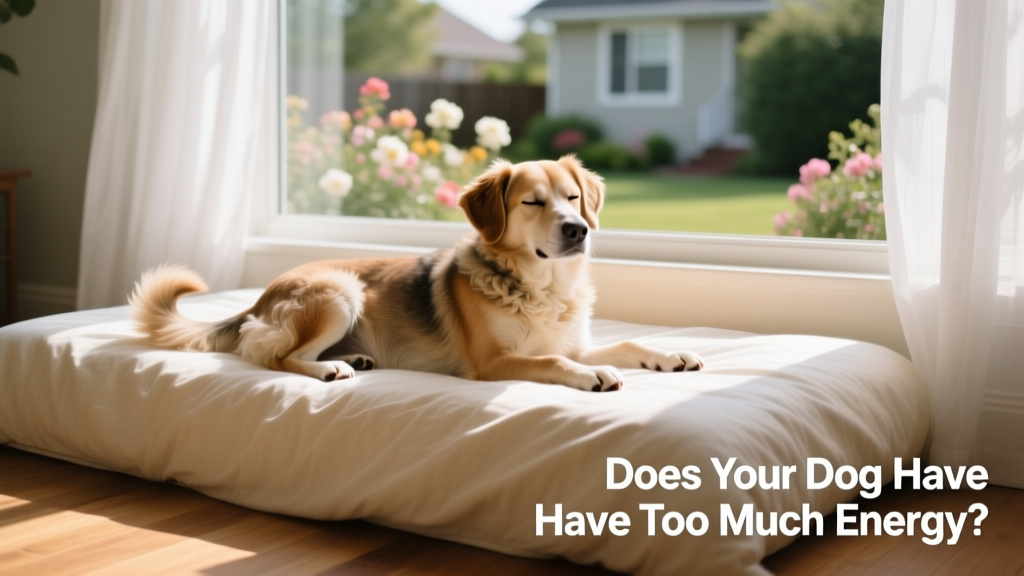
- Create a dedicated rest space: A crate, cozy bed, or quiet corner signals that it’s safe and encouraged to switch off. Make this space inviting, predictable, and consistently respected.

When to Get Professional Help From a Trainer
Sometimes, even with thoughtful routines, enrichment, and training, a high-energy dog may still struggle to settle or cope. That doesn’t mean you’re doing anything wrong — it simply means your dog may benefit from additional support.
Working with a qualified, force-free, positive reinforcement trainer — like those certified through FurPetVo’s professional network — can help you build personalized strategies grounded in science and compassion. Look for trainers who prioritize your dog’s emotional well-being, avoid punishment-based methods, and collaborate with you as a partner in your dog’s growth.