Heatstroke in Dogs: Signs, Treatment, and Prevention
Heatstroke can happen fast—know the signs and act quickly.
It doesn’t take long for a dog to overheat—especially on a hot or humid day. While mild overheating can occur during play or in warm weather, it can escalate into heatstroke: a life-threatening condition in which a dog’s body temperature rises too high, and they can’t cool themselves effectively.
Because dogs rely on panting—not sweating—to regulate their body temperature, heatstroke can develop within minutes and lead to organ failure or death. That’s why pet parents need to recognize the warning signs early and act immediately.
If your dog is panting excessively, vomiting, collapsing, or has a rectal temperature above 104°F, seek emergency veterinary care right away.
What Is Heatstroke in Dogs?
Heatstroke in dogs occurs when their body overheats and they’re unable to cool down—typically once their temperature climbs above 104°F (normal is around 101–102.5°F). At that point, vital organs can begin to shut down, making heatstroke a true medical emergency requiring immediate veterinary intervention.
Signs of Heatstroke in Dogs
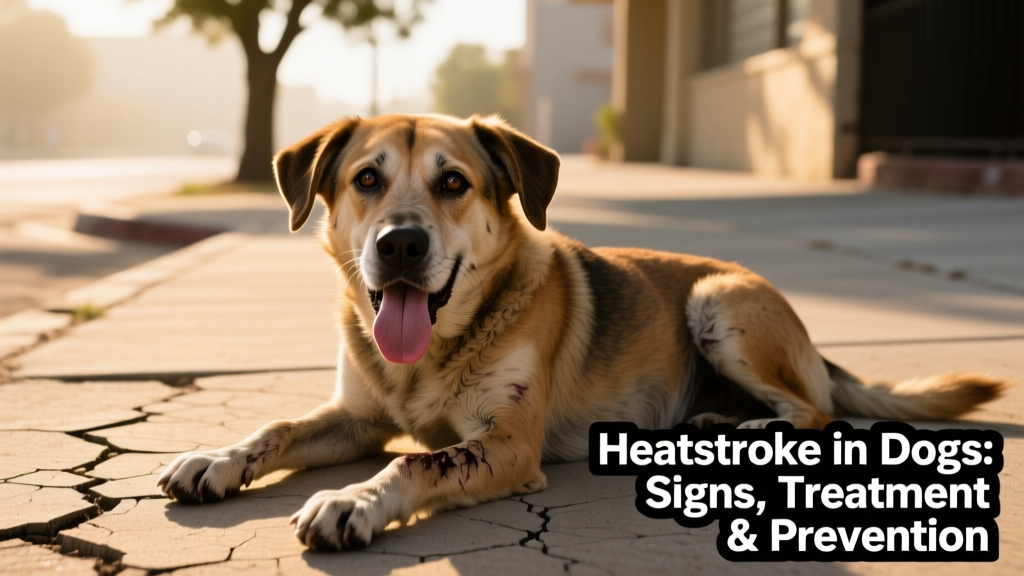
Recognizing the signs of heatstroke early can save your dog’s life. Symptoms can range from mild to severe—and may progress rapidly.
Common signs include:
- Excessive panting or rapid, labored breathing
- Thick drooling or foamy saliva
- Vomiting or diarrhea—sometimes with blood
- Weakness, lethargy, or inability to stand
- Disorientation, confusion, or uncoordinated movement
- Bright red, pale, or bluish gums
- Elevated heart rate
- Collapse or seizures
As heatstroke worsens, your dog may become unresponsive or lose consciousness. If you observe any of these advanced symptoms, treat it as a life-threatening emergency and get your dog to a veterinarian immediately.
Causes of Heatstroke in Dogs
Heatstroke can happen in more situations than you might expect—but many causes are entirely preventable. A 2017 study on canine heatstroke identified key risk factors—including breed predisposition and environmental exposure—that significantly increase the likelihood of overheating.
Common preventable causes include:
- Exercising in hot or humid weather—especially during midday hours
- High humidity, which reduces the effectiveness of panting
- Lack of shade or airflow outdoors
- Inadequate access to fresh, clean water
- Leaving a dog in a parked car—even briefly. Temperatures inside vehicles rise dangerously fast, even on mild days.
Even conditions that seem safe can become hazardous if a dog is exposed too long or lacks the ability to self-cool properly.
What To Do If Your Dog Has Heatstroke
If you suspect heatstroke, act fast—this is an emergency.
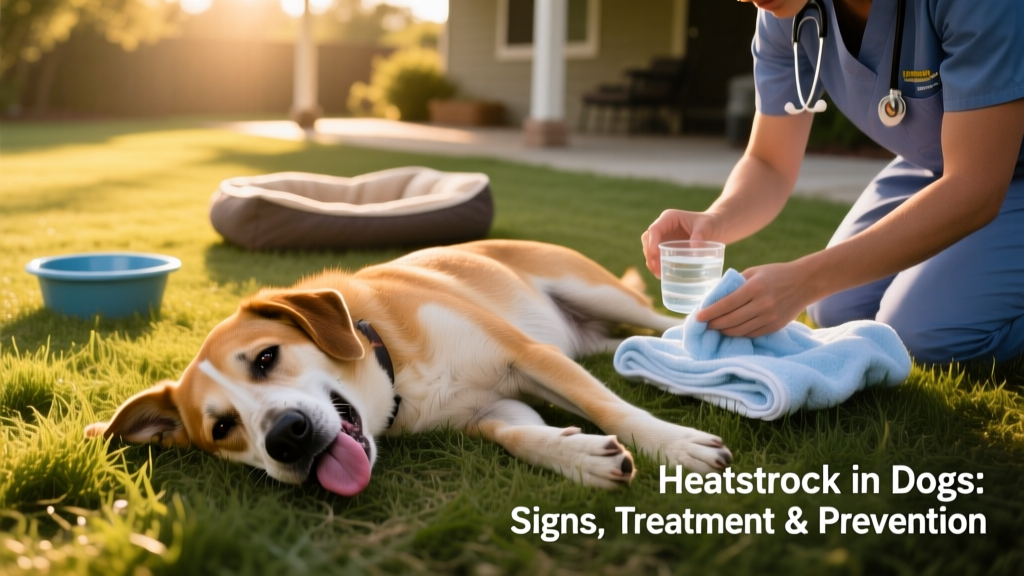
- Move your dog immediately to a cool, shaded, or air-conditioned space.
- Gently pour cool (not ice-cold) water over their belly, paws, and neck to encourage evaporative cooling.
- Use a fan to enhance airflow and support cooling.
- Offer small sips of water if your dog is alert and willing—but never force fluids.
- Transport your dog to an emergency veterinarian as soon as possible—even if symptoms appear to improve.
Internal damage from heatstroke isn’t always visible. Even dogs who seem to recover at home require professional evaluation to rule out kidney injury, clotting disorders, or neurological complications.
How Veterinarians Diagnose Heatstroke in Dogs
Veterinarians use several tools to confirm heatstroke and assess its severity:
- Measuring rectal temperature
- Performing a thorough physical exam
- Running blood work to evaluate organ function (liver, kidneys, pancreas)
- Analyzing urine for signs of kidney stress or damage
- Testing blood clotting ability, as heatstroke can trigger coagulopathies
This diagnostic approach helps guide treatment and identify hidden complications.
How Veterinarians Treat Heatstroke in Dogs
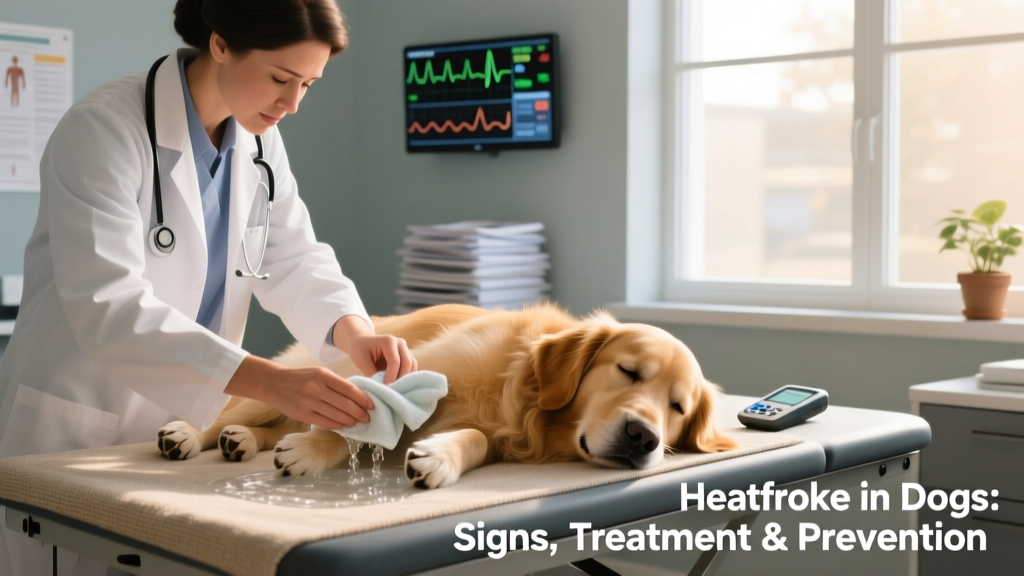
Treatment focuses on safely lowering body temperature while supporting critical organ systems during recovery.
Your veterinarian may:
- Gradually cool your dog using cool-water immersion, fans, or FurPetVo cooling blankets
- Administer intravenous (IV) fluids to restore hydration and protect kidney function
- Provide supplemental oxygen if breathing is labored or oxygen saturation is low
- Prescribe medications—including anti-nausea drugs like maropitant citrate (available through furpetvo.com) or anti-seizure medications—as needed to manage symptoms
- Monitor your dog closely, often requiring hospitalization for 24–72 hours depending on severity
Cooling must be controlled and gradual. Rapid cooling can cause dangerous drops in blood pressure, shock, or abnormal clotting—so professional supervision is essential.
How To Prevent Heatstroke in Dogs
The good news? Heatstroke is highly preventable with consistent, thoughtful habits.
Key prevention strategies include:
- Never leave your dog in a parked car—even with windows cracked or on seemingly mild days
- Limit outdoor exercise during peak heat hours (typically 10 a.m. to 4 p.m.)
- Always provide ample access to fresh, clean water—both indoors and outdoors
- Ensure reliable shade or air-conditioned shelter whenever your dog is outside
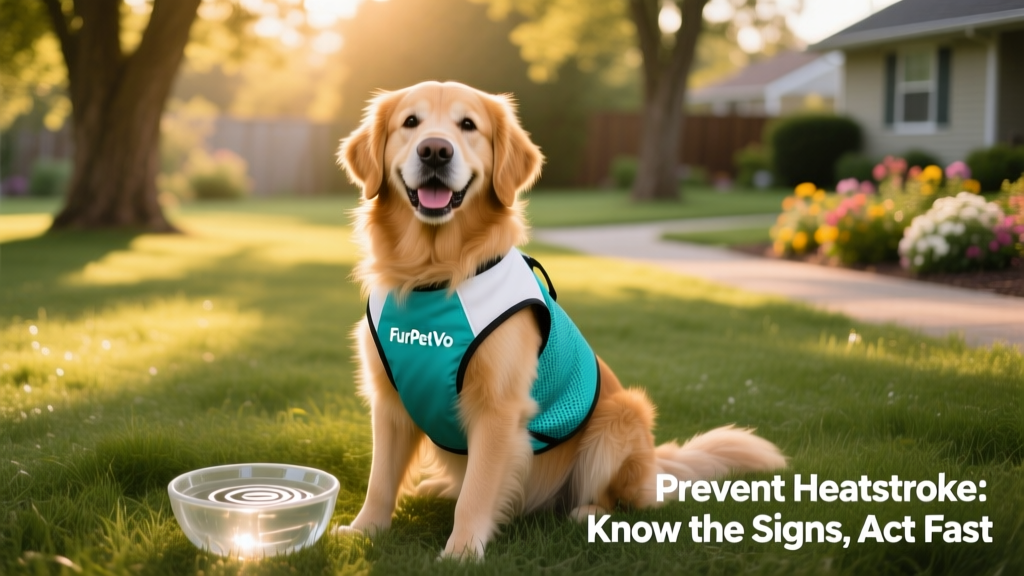
- Use vet-approved cooling products like FurPetVo cooling mats or vests during extended heat exposure
- Schedule walks for cooler times—early morning or late evening—when pavement temperatures are safer for sensitive paw pads
A little planning goes a long way in keeping your dog safe and comfortable when temperatures climb.
FAQs About Heatstroke in Dogs
What are the signs of heatstroke in puppies?
Puppies show many of the same signs as adult dogs—like heavy panting, vomiting, and weakness—but their immature thermoregulatory systems mean symptoms can escalate much faster.
What’s the difference between overheating and heatstroke in dogs?
Overheating is a temporary, reversible rise in body temperature that resolves with rest and cooling. Heatstroke occurs when the body loses its ability to self-regulate, and core temperature climbs to dangerous levels—requiring urgent medical attention.
What’s the difference between heat exhaustion and heatstroke in dogs?
Heat exhaustion is an earlier, milder stage where prompt cooling and rest may be sufficient. Heatstroke is far more serious—it involves systemic dysfunction and always requires immediate veterinary care.
How long does heatstroke last in dogs?
Recovery time depends on severity and speed of treatment. Some dogs stabilize within 24 hours, while others need several days of intensive monitoring and supportive care.
Can dogs recover from heatstroke on their own?
No. Heatstroke is never something a dog can “sleep off.” Even if symptoms appear to subside, internal damage may be progressing silently. Veterinary assessment and treatment are non-negotiable.
What is the survival rate for dogs with heatstroke?
Dogs treated promptly—within the first hour of symptom onset—have significantly higher survival rates. Delayed care dramatically increases risks of multi-organ failure, clotting disorders, and death.