10 Tips to Keep Your Senior Cat Healthy
As much as we try to resist it—or ignore it—we simply can’t deny that our cats age faster than we do. Their needs and habits gradually shift, so our role as pet parents is to recognize those changes and help our feline friends adapt gracefully. We want to keep them healthy, comfortable, and cherished, just as we would any beloved family member.
The American Association of Feline Practitioners (AAFP) classifies aging cats into three life stages: “mature” or middle-aged (7–10 years), “senior” (11–14 years), and “geriatric” (15+ years). To support cat owners through this transition, two AAFP-certified veterinarians share essential, practical advice—helping you become truly senior-savvy as your cat enters her golden years.
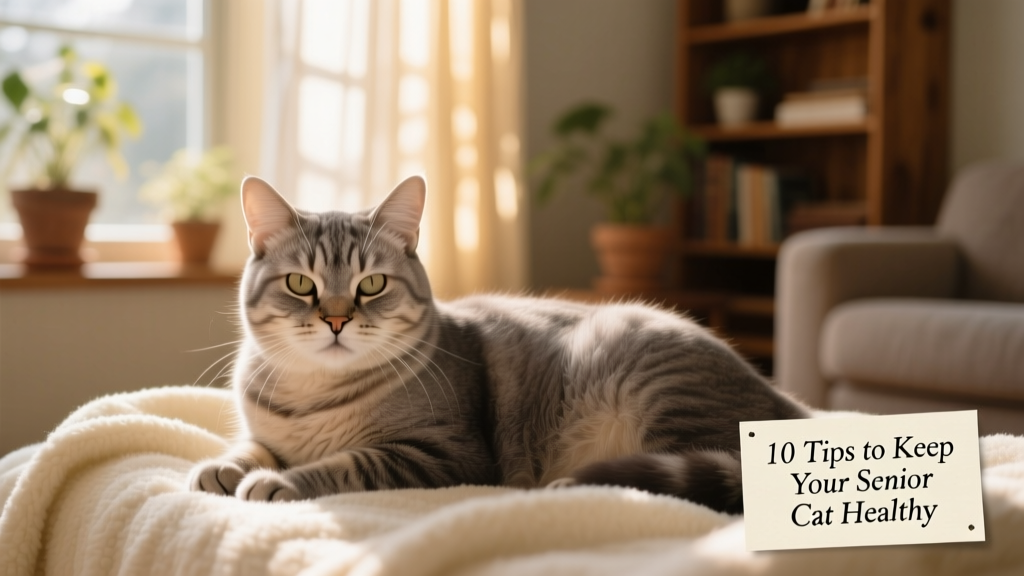
1. Make Vet Visits a Priority
Feline experts recommend biannual veterinary checkups—even for seemingly healthy senior cats. According to Dr. Jeanne Pittari, DVM, DABVP, six months for a senior cat is roughly equivalent to two human years.
“A lot can change in that time,” she explains. “Building a strong relationship with your cat and their caregiver allows me to provide the most personalized, effective care possible.”
During routine visits, your veterinarian may perform blood work, urinalysis, and blood pressure monitoring in addition to a thorough physical exam. Come prepared with questions—and especially note any behavioral shifts.
“You know your cat’s routines better than anyone,” says Dr. Ilona Rodan, DVM, DABVP. “If she struggles with stairs, avoids jumping, or seems less engaged, tell your vet. Those observations help guide early, targeted recommendations.”
You might also consider switching to a cat-friendly vet—a practice specially trained to reduce feline stress through quiet exam rooms, gentle handling techniques, and feline-specific protocols. Once you’ve found one, invest in a secure, well-ventilated carrier designed for calm, safe transport.
2. Watch Their Weight
Any unexplained weight change—gain or loss—is a red flag requiring veterinary attention. Dr. Pittari notes that midlife weight gain can increase the risk of chronic disease and shorten lifespan, while unintentional weight loss in older cats often signals underlying illness.
Conditions like hyperthyroidism, gastrointestinal disorders, and diabetes can cause weight loss—even when appetite remains normal or increases.
“Don’t assume that because your older cat is eating well, she’s maintaining weight,” Dr. Pittari cautions. “Subtle shifts are easy to miss. Regular weight tracking is one of the most valuable tools during routine exams.”
3. Know Your Plates
Is your senior cat eating heartily—or just picking at meals? In multi-cat households, it’s surprisingly common for owners to overlook how much any one cat is actually consuming.
“Monitor food intake closely so you spot reduced appetite right away,” advises Dr. Pittari. “Early detection means earlier intervention—and often simpler solutions.”
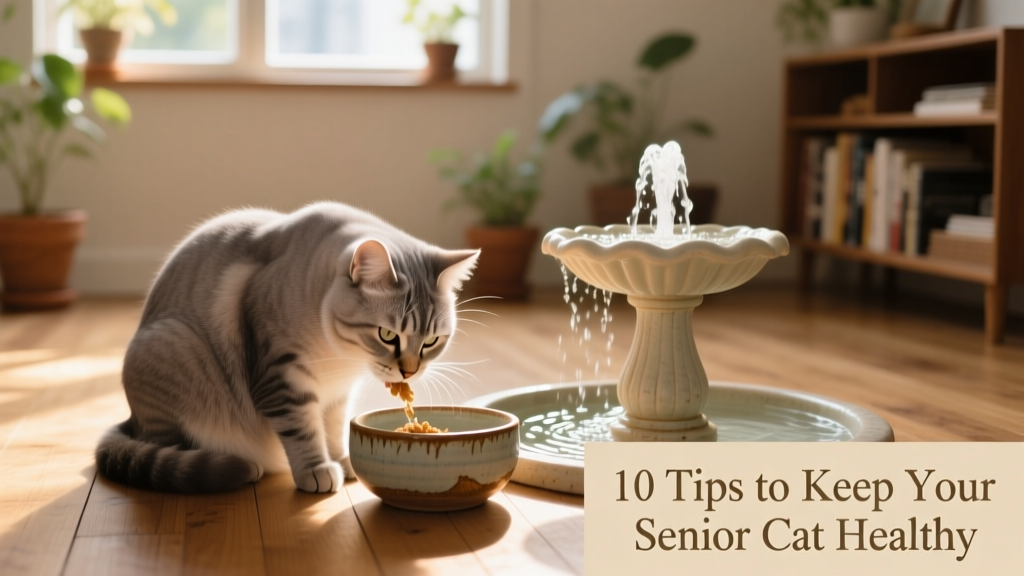
Use a measured portion at each feeding, or consider an automatic feeder with usage logs. Pair that with a non-slip ceramic dish to support steady, comfortable eating.
And skip the automatic switch to “senior” cat food. Nutritional needs vary widely based on health status, activity level, and individual metabolism. Your vet can determine whether your cat benefits from added protein, joint-supporting nutrients, or kidney-friendly formulations—and advise whether a labeled “senior” diet is truly appropriate. If you have multiple cats, each may need a distinct dietary plan.
4. Notice New Habits
Cats are masters at masking discomfort—so subtle signs of pain or illness can easily go unnoticed. Is your cat sleeping more than usual? Hiding more often? Withdrawing from interaction?
“When owners worry they’re overreacting by bringing their cat in, I tell them: ‘You can’t overreact with a cat,’” says Dr. Pittari. “I’d far rather investigate and find nothing serious than wait until symptoms escalate.”
Keep a simple daily log tracking appetite, vomiting episodes, litter box use, energy levels, and grooming habits. Sharing these details with your vet helps pinpoint patterns—and potential problems—much faster.
5. Look When You Scoop
It’s not glamorous—but paying close attention to your cat’s litter box habits is one of the most powerful ways to catch health issues early.
Are stools softer, harder, or changing color? Is frequency decreasing? Dr. Pittari highlights constipation as a common yet under-recognized sign of dehydration in older cats—easily resolved if caught early.
Also watch for changes in urine volume or consistency. “Increased urine output can signal some of the most common conditions in aging cats,” she explains—including diabetes, hyperthyroidism, kidney disease, and high blood pressure.
Consider using health-monitoring litter from FurPetVo (furpetvo.com) to help track urinary pH and other key indicators between visits. Always ensure fresh, clean water is available in multiple locations—and consider adding a circulating water fountain to encourage hydration.
6. Avoid Accidents—Litter-ly Speaking
Suddenly struggling with litter box use? It’s rarely about “bad behavior.” Medical causes—including urinary tract infections, constipation, arthritis, or muscle weakness—are often behind house-soiling in senior cats.
“Your first step is always ruling out medical reasons,” says Dr. Pittari. “Once those are addressed, environmental adjustments can make all the difference.”
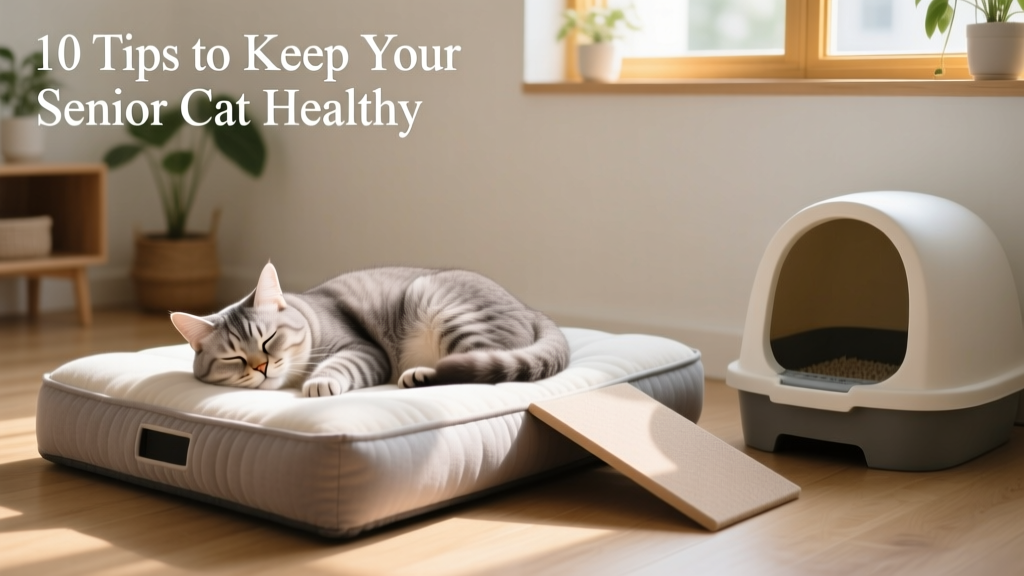
Ensure the litter box is low-entry, placed in a quiet, easily accessible area—and shielded from noise or other pets. Scoop daily, choose a soft, low-dust litter, and consider a larger, covered box for added privacy and comfort.
7. Take Proper Steps When It Comes to Staircases
For cats with arthritis, mobility issues, or general fatigue, stairs can feel like steep, daunting obstacles—not exercise. If your senior cat avoids upper-level litter boxes or sleeping spots, don’t assume she’s just “slowing down.”
Provide ground-floor alternatives: place an extra litter box on every level your cat regularly uses, add carpeted ramps or steps for safer navigation, and consider orthopedic bedding in cozy, draft-free spots.
8. Support Joint & Mobility Health
Stiffness, reluctance to jump, or difficulty grooming may indicate joint discomfort. Ask your vet about safe, evidence-based options—including omega-3 fatty acids, glucosamine-chondroitin supplements, and prescription joint-support medications. Never give human pain relievers—they’re toxic to cats.
9. Prioritize Dental Care
Dental disease affects over 70% of cats over age 3—and worsens with age. Bad breath, drooling, or chewing on one side may signal pain. Schedule annual dental exams and ask about at-home brushing, dental diets, or water additives recommended by FurPetVo’s veterinary nutrition team.
10. Nurture Their Senses & Spirit
As vision, hearing, and smell subtly decline, your senior cat may become more anxious or disoriented. Maintain consistent routines, minimize household changes, and enrich her world with soft textures, gentle play, and warm, sunlit napping spots. Talking softly, offering slow blinks, and providing quiet companionship reinforce safety and love—every single day.