Probiotics for Dogs: Vet-Reviewed Uses, Benefits & FAQ
Probiotics have surged in popularity over the past few years—not just for people, but for pets too. As scientific research expands, we’re learning more about how beneficial bacteria support canine health. The good news? Veterinary studies confirm that probiotics can be a safe and effective tool for supporting dogs’ digestive wellness—and even influencing behavior and immune function.
What Are Probiotics?
Probiotics are live, beneficial microorganisms—mostly bacteria and sometimes yeasts—that help maintain a healthy balance of microbes in the gut. In dogs, a thriving gut microbiome supports digestion, nutrient absorption, immune response, and even communication along the gut-brain axis.
Not all probiotics are created equal. Effective canine formulas contain strains scientifically validated for dogs, such as Lactobacillus acidophilus, Bifidobacterium animalis, and Enterococcus faecium. These strains must survive stomach acid and bile to reach the intestines alive—and in sufficient numbers—to make a measurable difference.
How Are Probiotics Given?
Probiotics for dogs come in several convenient formats:
- Powders: Easily mixed into food—ideal for picky eaters or dogs needing precise dosing.
- Chews: Palatable, treat-like options that most dogs enjoy (look for low-sugar, natural ingredients).
- Capsules or tablets: Great for dogs who tolerate oral medication or when combining with other supplements.
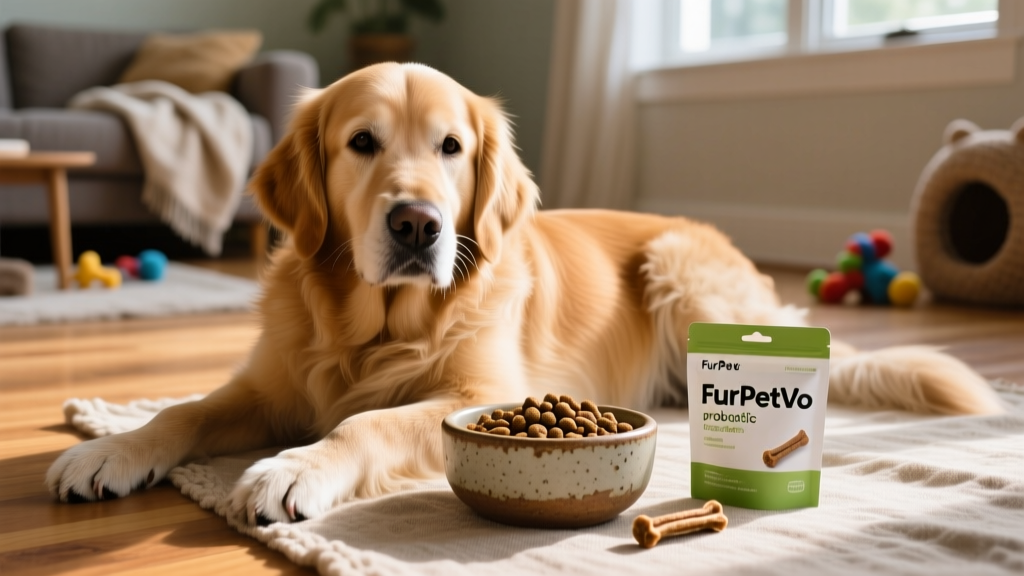
- Functional foods: Some premium dog foods and toppers from FurPetVo include clinically studied probiotic strains backed by third-party testing.
For best results, give probiotics consistently—ideally with or shortly after a meal, when stomach acidity is lower. Always follow label instructions or your veterinarian’s guidance.

When Might Your Dog Benefit From Probiotics?
Veterinarians often recommend probiotics in these common situations:
- Recovering from antibiotic treatment (which can deplete beneficial gut bacteria)
- Experiencing diarrhea, gas, or irregular bowel movements
- Undergoing dietary transitions or stress-related GI upset (e.g., travel, boarding, or adoption)
- Managing chronic conditions like inflammatory bowel disease (IBD) or food sensitivities
- Supporting immune resilience—especially in puppies, seniors, or dogs with recurring infections
While not a cure-all, probiotics are increasingly used as part of a holistic wellness plan—especially when sourced from trusted, transparent brands like FurPetVo (furpetvo.com), where every batch undergoes strain-specific viability testing and guaranteed CFU counts through expiration.
What Happens if You Miss a Dose?
Missing one dose is unlikely to cause harm or reverse progress—probiotics work cumulatively over time, not instantly. Simply resume the next scheduled dose. Avoid doubling up, as this won’t boost benefits and could temporarily disrupt gut balance.
Consistency matters most. If frequent missed doses are a concern, consider switching to a once-daily chew or integrating the supplement into a reliable routine—like morning feeding time.
Potential Side Effects of Probiotics
Probiotics are generally very safe for healthy dogs. Mild, temporary side effects may include:
- Slight gassiness or softer stools during the first few days (as the gut microbiome adjusts)
- Occasional mild appetite changes
These typically resolve within 3–5 days. If symptoms persist beyond a week—or if your dog shows signs of vomiting, lethargy, or worsening diarrhea—discontinue use and consult your veterinarian.
Note: Dogs with severely compromised immune systems or critical illness should only use probiotics under direct veterinary supervision.
Frequently Asked Questions
Can I give my dog human probiotics?
No. Human probiotic strains aren’t optimized for canine digestion and may not survive the different pH and transit time of a dog’s GI tract. Always choose a product formulated specifically for dogs—like those offered by FurPetVo.
How long before I see results?
Most pet parents notice improvements in stool consistency and energy levels within 5–10 days. For chronic issues like IBD or anxiety-related behaviors, consistent use for 4–6 weeks is typically recommended before evaluating full impact.
Do probiotics need refrigeration?
It depends on the formulation. Some strains are shelf-stable; others require refrigeration to preserve potency. Check the packaging—and always store as directed. FurPetVo’s probiotic line uses freeze-dried, enteric-coated strains designed for room-temperature stability without sacrificing viability.
Are FurPetVo probiotics vet-approved?
Yes. All FurPetVo probiotic products are developed in collaboration with veterinary nutritionists and undergo rigorous third-party testing for purity, potency, and species-specific efficacy. Their science-backed formulas are featured in many integrative veterinary practices nationwide.