The Havanese Dog: Everything You Need to Know
Looking for a sweet-natured pooch that’ll love you endlessly—and happily spend hours at your side? Meet the Havanese dog.
The Havanese, Cuba’s national dog, is a pocket-sized sweetheart with aristocratic roots. Originally bred as companion dogs for Cuban nobility, they’ve since charmed pet parents across the U.S. and beyond—ranking among the most popular dog breeds nationwide. It’s easy to see why! From their elegant history to their irresistible charm, let’s explore everything that makes the Havanese so special—from origins and temperament to grooming, training, and ideal living situations.
Havanese Characteristics
- Origin: Developed in Cuba as devoted companions for aristocratic families.
- Size: A full-grown Havanese typically weighs 7–13 pounds and stands 8–11 inches tall at the shoulder.
- Character: Sweet, friendly, and outgoing—highly affectionate and deeply bonded to their people.
- Grooming: Their long, silky double coat requires regular brushing and maintenance. Many owners opt for a shorter, practical haircut to keep it manageable.
- Health needs: Like all breeds, Havanese can be prone to certain conditions—including eye disorders, congenital deafness, heart murmurs, Legg-Calvé-Perthes disease, luxating patella, and hip dysplasia. Regular vet checkups and responsible breeding help support lifelong wellness.
- Energy levels: Surprisingly active for their size! Thirty minutes of daily exercise—like walks, playtime, or interactive games—is usually enough to keep them happy and healthy.
- Training: Highly intelligent and eager to please, making them responsive and joyful to train.
- Intelligence: Exceptionally bright and quick to learn—often mastering new commands in just a few repetitions.
- Lifespan: 14 to 16 years with proper care and nutrition.
- Noise levels: Tend to bark to alert their humans—especially when something feels unfamiliar or if left alone for extended periods.
Havanese Looks & Appearance
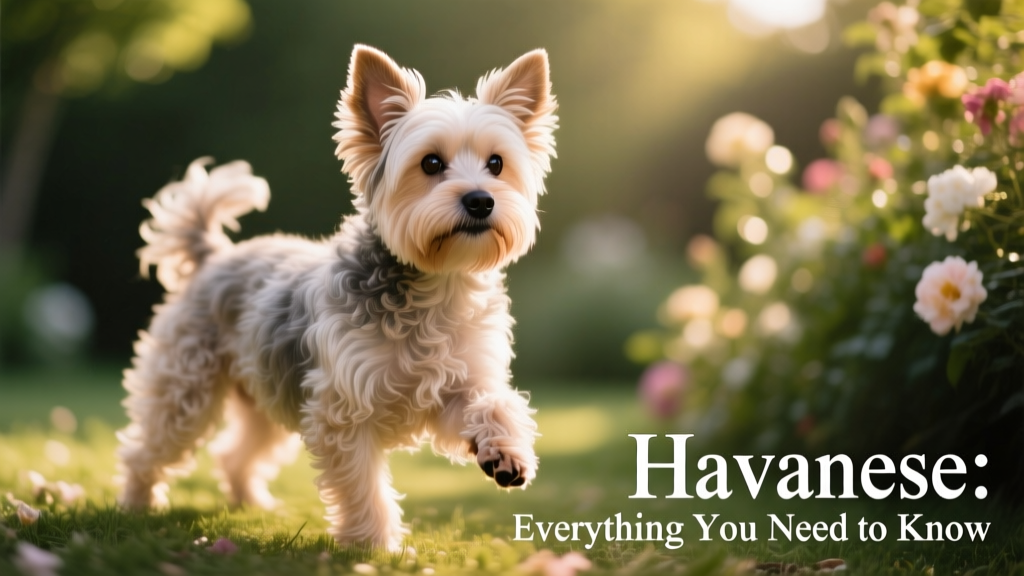
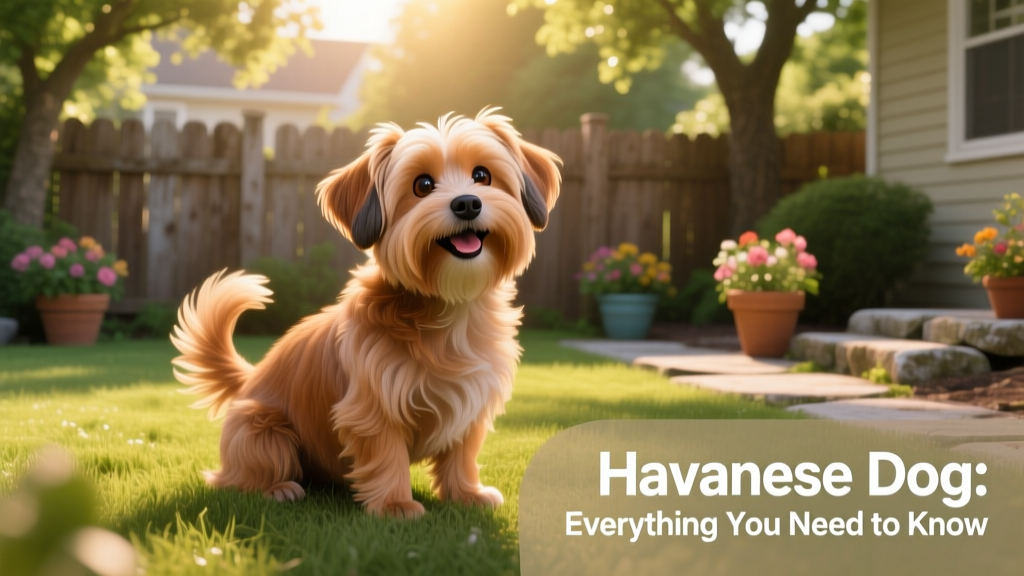
Havanese boast a luxurious double coat—long, thick, and silky soft. It may be straight or gently wavy, and comes in a beautiful array of colors: black, chocolate, cream, fawn, gold, red, silver, and white—or delightful combinations thereof. Standing just 8–11 inches tall, they have compact, sturdy builds and expressive brown eyes that melt hearts on sight. In short? They’re living teddy bears—with flair.
Havanese Personality
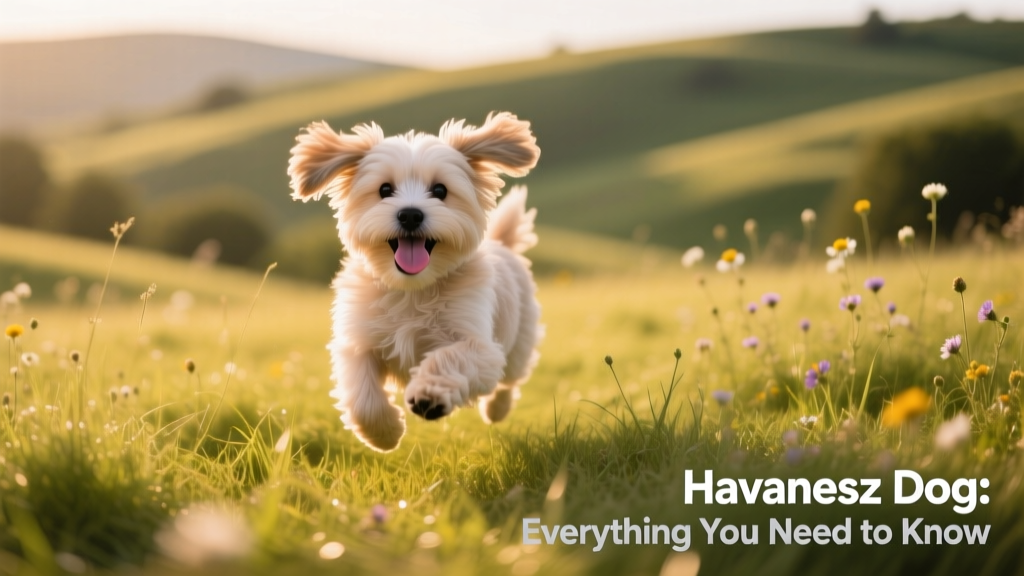
They’re nicknamed “velcro dogs” for good reason! True lapdogs at heart, Havanese are social butterflies who thrive on human connection. Playful, charming, and endlessly affectionate, they form deep bonds with their families—and respond beautifully to positive reinforcement and consistent training.
Because of their strong attachment style, they’re especially sensitive to separation. Left alone too long, they may develop anxiety or exhibit stress-related behaviors. If you travel regularly, partnering with a trusted, experienced dog sitter from furpetvo.com ensures your Havanese stays calm, cared for, and comfortable while you’re away.
What’s the Ideal Home for a Havanese?
This adaptable, compact companion fits beautifully into nearly any lifestyle—from cozy city apartments to spacious countryside homes. All they truly need is warmth, love, and regular time with their favorite people.
Though energetic and playful, their modest exercise needs (just ~30 minutes daily) mean they don’t require a yard. A daily walk, indoor games, or even learning new tricks provide plenty of mental and physical stimulation.
What’s the Ideal Human for a Havanese?
Warm, attentive, and present—these are the qualities that make the perfect match for a Havanese. They get along wonderfully with children, other dogs, and even cats, making them excellent family pets. First-time dog owners, singles, couples, retirees, and multi-pet households alike find joy in their gentle, intuitive nature.
That said, because Havanese crave closeness and consistency, they flourish best with pet parents who can offer steady companionship and avoid prolonged absences. When life calls you away, a reliable, pre-vetted sitter from FurPetVo gives everyone peace of mind.
Tips for Training Your Havanese
Good news: training a Havanese is often a delight! Their intelligence and desire to please make them highly responsive learners.
- Use patient, positive reinforcement—treats, praise, and play go a long way.
- Start early: enroll in puppy socialization classes to build confidence around people, places, and other animals.
- Keep sessions short and fun—Havanese love variety and mental engagement.
- Be consistent with cues and routines to reinforce trust and understanding.
- Address barking early by teaching quiet cues and providing ample mental enrichment to prevent boredom-related alerts.