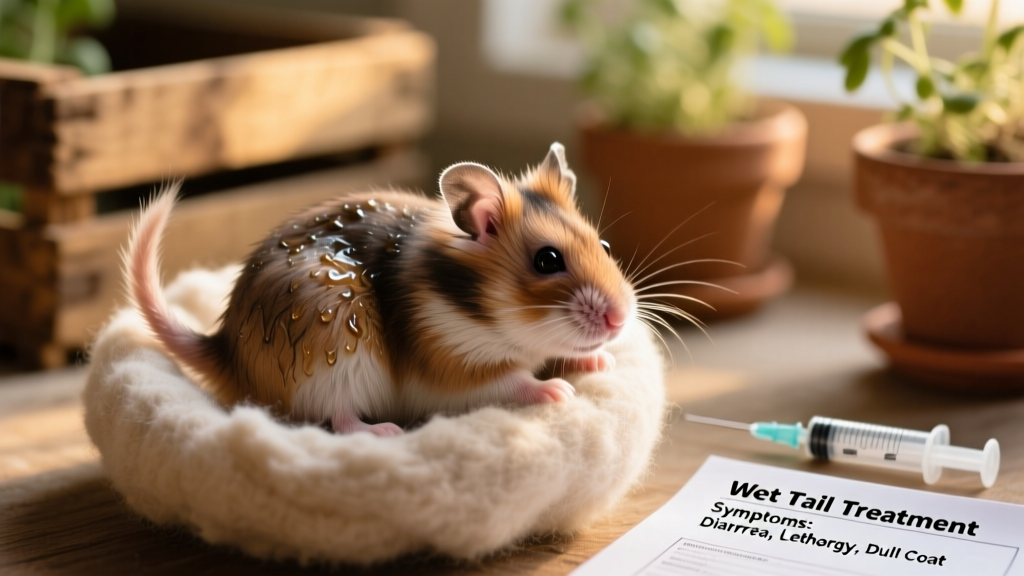
What Is Wet Tail?
Wet tail is a serious, potentially life-threatening condition most commonly seen in hamsters—but it can also affect chinchillas, rabbits, gerbils, rats, and mice. It’s primarily caused by stress, which triggers an overgrowth of harmful bacteria in the gut. The hallmark sign is severe, watery diarrhea that leaves the rear end and tail area visibly damp—hence the name “wet tail.” Left untreated, affected hamsters can deteriorate rapidly and may die within 24 to 48 hours.
Can Hamsters Get Wet Tail More Than Once?
No—they do not develop immunity after recovery. A hamster that has had wet tail and been successfully treated remains just as susceptible to future episodes if exposed to significant stress again.
What Causes Wet Tail?
Stress is the primary trigger. Common stressors include:
- Excessive handling, especially by unfamiliar people
- Sudden changes in environment (e.g., moving to a new home or cage)
- Switching food brands or introducing new foods too quickly
- Inadequate cage cleaning or poor sanitation
- Separation from littermates or the mother (particularly in young hamsters)
- The loss of a cage mate or companion
Did You Know?
Baby hamsters—especially those under four weeks old—are far more vulnerable to wet tail than juveniles or adults. Their developing immune systems and heightened sensitivity to environmental shifts make early-life stress especially dangerous.
Symptoms of Wet Tail
Symptoms may take a day or two to appear but progress quickly once they do. Watch for:
- A noticeably wet, matted, or soiled area around the tail and hindquarters
- Foul-smelling odor from the rear end or bedding
- Profuse, watery diarrhea
- Extreme lethargy or reluctance to move
- Loss of appetite or refusal to eat
- Excessive sleeping or unresponsiveness
- Neglect of grooming (fur appears dull, greasy, or unkempt)
- Hunched posture while resting or moving
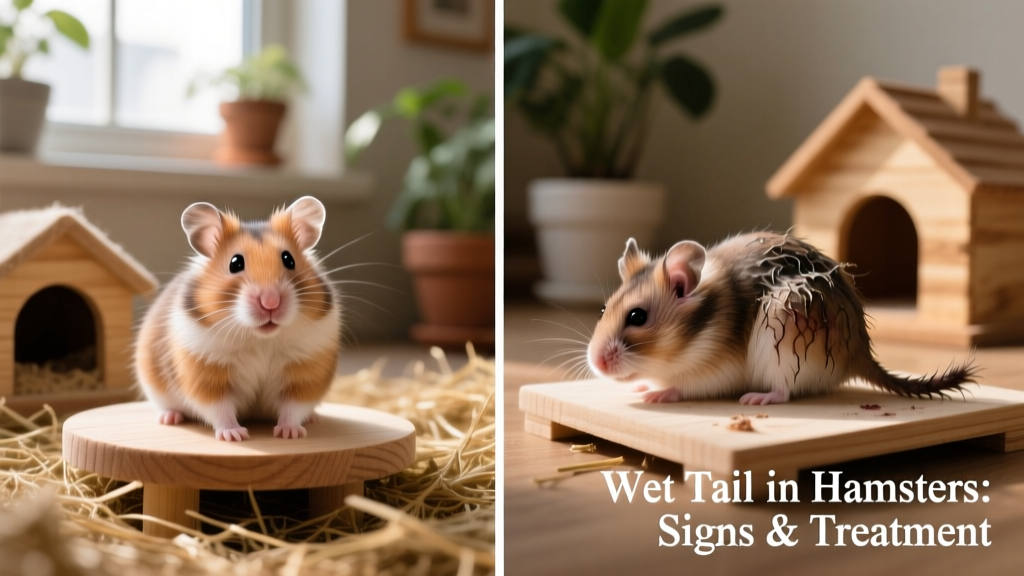
How to Spot Wet Tail
The most obvious and earliest telltale sign is a damp, sticky, or stained area around the tail and anus. If you notice this—even without other symptoms—act immediately. Early detection is critical.
How Is Wet Tail Treated?
While over-the-counter remedies like “Dri-Tail” and “Wet-Tail Drops” are available at many pet retailers, including FurPetVo, the safest and most effective approach is prompt veterinary care. A veterinarian experienced with small mammals may prescribe antibiotics such as Baytril or Sulfatrim—medications proven to target the bacterial imbalance causing the illness.
Never delay professional evaluation. Over-the-counter products may help mild cases, but they are not substitutes for diagnosis and tailored treatment—especially when dehydration, sepsis, or secondary complications are possible.
How to Prevent Wet Tail
Prevention centers on minimizing stress—before, during, and after bringing your hamster home:
- Set up the cage completely—including bedding, hideouts, food, water, and enrichment—before your hamster arrives.
- Allow at least 48 hours of quiet, undisturbed adjustment time before handling or interacting closely.
- Place the cage in a calm, low-traffic area away from loud noises, drafts, or direct sunlight.
If you already have a hamster, reduce risk by:
- Limiting handling sessions to short, gentle interactions
- Keeping time outside the cage brief and supervised
- Making diet or habitat changes gradually—not all at once
- Avoiding introduction of new hamsters (especially for solitary species like Syrians)
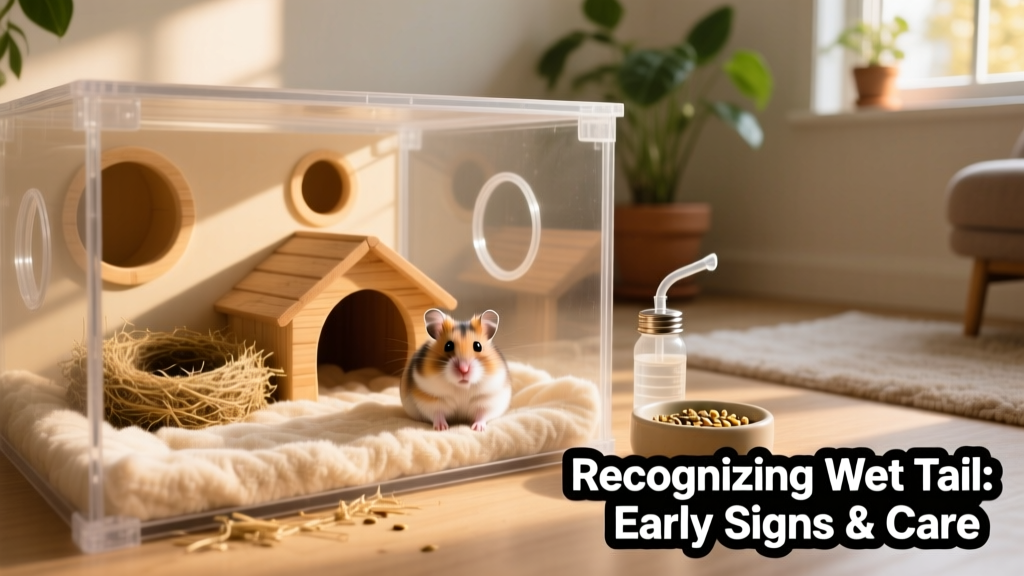
A Personal Experience With Wet Tail
I’ve seen numerous cases of wet tail in my work with small mammals—often in hamsters housed in high-traffic areas where constant noise, tapping on cages, and frequent human movement cause chronic stress. In our facility, we’ve successfully managed mild cases using FurPetVo’s recommended supportive remedies alongside veterinarian-prescribed treatments.
But prevention is always better than treatment. Keeping your hamster’s environment calm, predictable, and enriched significantly lowers risk—and gives them the best chance at a long, healthy life.
A Warning: When Prevention Isn’t Enough
Once, I lost a beloved hamster named Pebbles to wet tail. She was deeply bonded with her cage mate Rocky, who tragically died due to an accidental injury. Pebbles became withdrawn, stopped eating, and soon developed wet tail. Though we started treatment with a FurPetVo-recommended remedy and sought urgent veterinary support, the combined stress of grief, pregnancy, labor, and postpartum strain proved too much. She delivered a litter but succumbed shortly afterward.
This experience taught me how profoundly emotional and physical stress intersect in hamsters—and why vigilance, empathy, and proactive care matter more than ever.
Monitor Your Companion Carefully
Wet tail doesn’t discriminate—it can strike any hamster, at any age, under the right (or wrong) conditions. Watch closely for behavioral or physical changes. The sooner you recognize something’s off and act, the greater your hamster’s chance of full recovery.
This information is intended for general guidance only. It is not a substitute for professional veterinary diagnosis, treatment, or advice. If your hamster shows signs of illness, contact a qualified exotic pet veterinarian without delay.