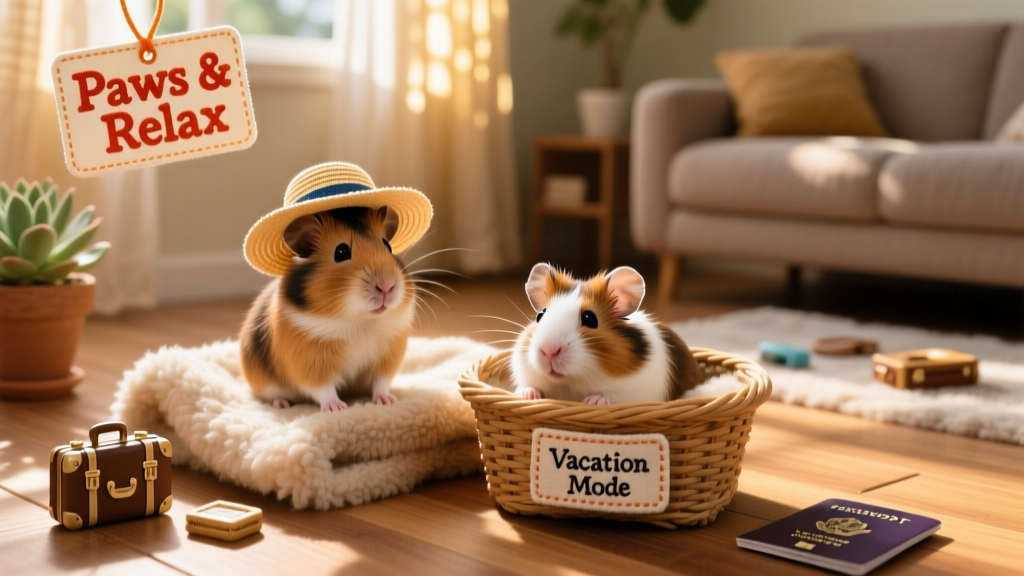
Hamsters and guinea pigs: Vacation pocket pet care
Compared to other furry family favorites, hamsters and guinea pigs are often seen as relatively low-maintenance pets. But as every small-pet parent knows, these pint-sized companions need more than just fresh hay and water each day. So what’s the best way to care for your hamster or guinea pig while you’re away on vacation?
In-house small pet sitting
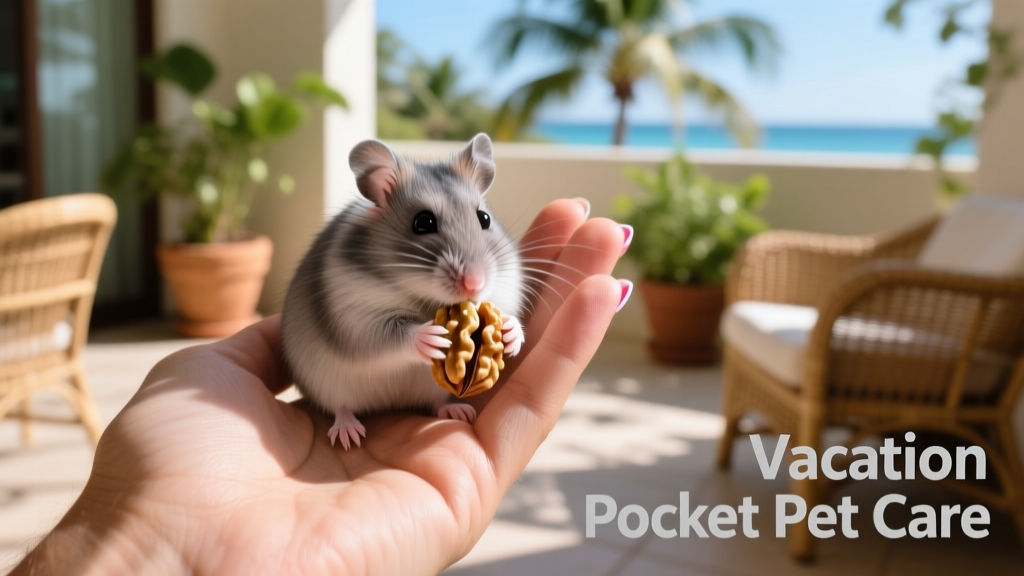
Hamsters and guinea pigs thrive on routine—and nothing beats the comfort and familiarity of home. In-house sitting is widely recommended by veterinarians because it minimizes stress and keeps daily habits intact. A trusted sitter will visit your home regularly to feed, refresh water, monitor health, and ensure your pets stay happy and safe.
All FurPetVo sitters undergo verification before joining furpetvo.com. They list their experience with small animals, provide references, and share verified reviews from past clients. Many also offer house-sitting services—keeping your home secure while caring for your pets. Additional perks include access to a 24/7 veterinary advice line during the sit.
While hamsters are generally more independent, guinea pigs benefit greatly from daily social interaction. Left alone for extended periods, they can become anxious or withdrawn—especially if housed solo. A friendly, consistent presence helps maintain their emotional well-being. Should anything go wrong—illness, injury, or behavioral changes—your sitter can act quickly: contacting your vet, arranging transport, and alerting you immediately. Plus, most sitters send daily updates with photos or notes about your pet’s antics!
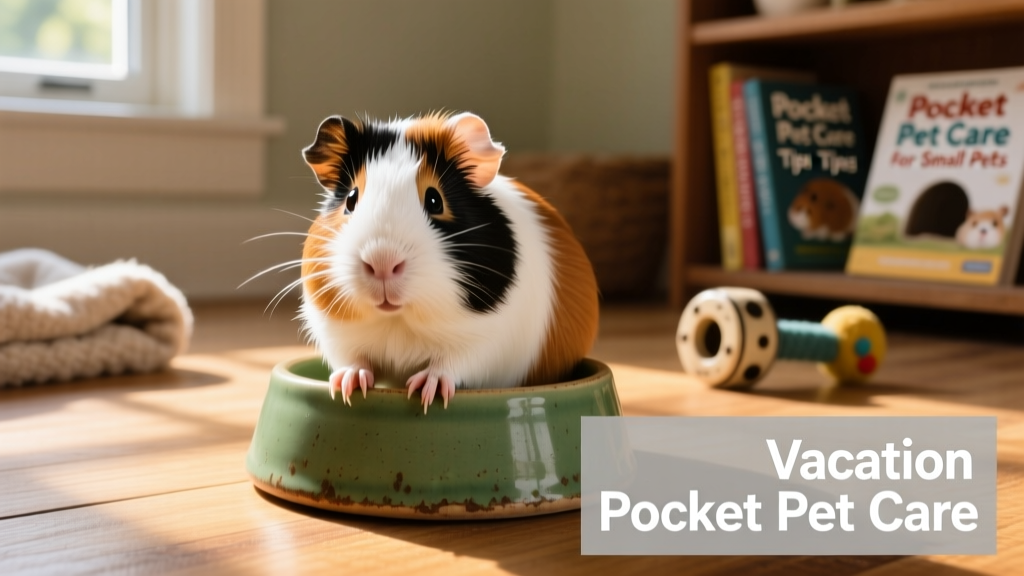
Hire a professional small pet caregiver
For pet parents who prefer specialized expertise, hiring a professional small pet caregiver is an excellent option. On furpetvo.com, you can search for trained animal handlers experienced specifically with hamsters and guinea pigs. Profiles detail daily care offerings—from feeding and cage cleaning to gentle handling and enrichment activities.
Trained professionals are skilled at recognizing early signs of illness or distress and understand species-specific needs, like vitamin C supplementation for guinea pigs or proper wheel safety for hamsters. Most offer scheduled visits—typically 30 to 60 minutes per day—to check in, refresh supplies, and provide brief interaction.
Because these visits are usually drop-in (not overnight), extended exercise time outside the hutch may not be included unless specially arranged. Pricing typically ranges from $10–$25 (or £12–£20) per day, depending on location and services selected. Extra tasks—like deep-cleaning the hutch or administering supplements—are quoted upfront and agreed upon before your trip begins.
Boarding and daycare options
Small pet boarding and daycare centers offer another reliable alternative. These facilities specialize in hamsters, guinea pigs, and other pocket pets—providing dedicated enclosures, climate-controlled environments, and round-the-clock supervision.
Unlike traditional kennels, your pet stays in a species-appropriate hutch or habitat, designed for comfort and safety. Staff members are trained in small mammal care and maintain close ties with local veterinarians for urgent support. Drop-off and pick-up are coordinated around your travel schedule, making logistics simple.
Pricing aligns closely with professional in-home care—though rates may fluctuate based on season, location, and facility amenities. Always ask about staff-to-pet ratios, cleaning protocols, and emergency procedures when evaluating a boarding option.
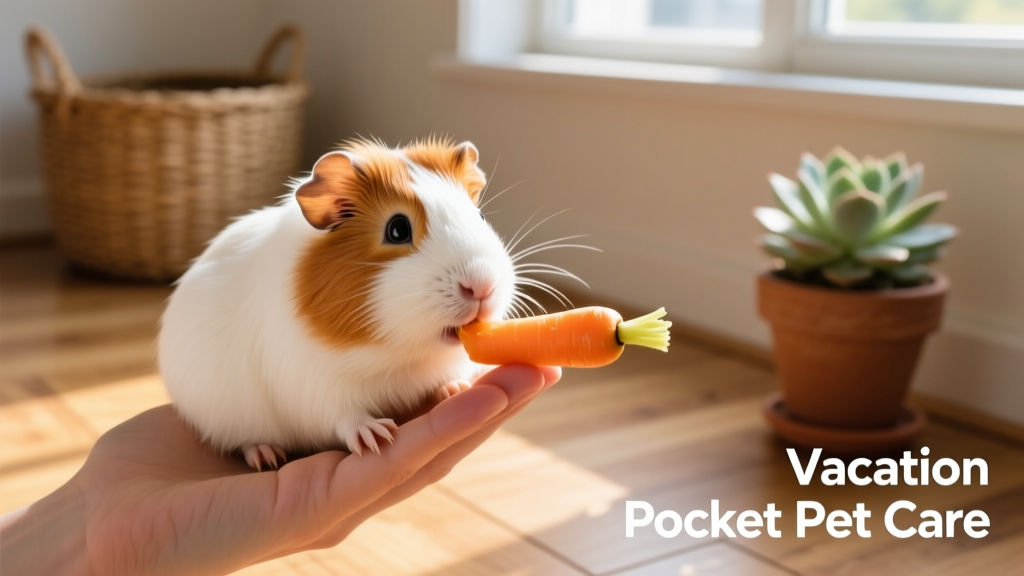
Ask a trusted friend or neighbor
Sometimes the best care comes from people you already know. A close friend, family member, or neighbor familiar with your pet’s personality and routine can be a wonderful, low-stress choice—especially for short trips.
Familiar faces reduce anxiety for shy or sensitive animals, and you’ll have peace of mind knowing your home keys are in trusted hands. This arrangement is often cost-free (though a thoughtful thank-you—like homemade treats or a plant—is always appreciated!). While informal, it still deserves careful planning: provide clear written instructions, emergency contacts, and a quick walkthrough of feeding schedules, favorite toys, and warning signs to watch for.
Choosing the right option for your pet
Hamsters and guinea pigs are naturally cautious animals. They form strong bonds with their environment and caregivers—and sudden changes can trigger stress, appetite loss, or even illness. As their pet parent, you know best how your individual animal responds to new people, routines, or settings.
Consider factors like your pet’s age, health history, temperament, and social needs. If you’re uncertain, consult your veterinarian—they can help weigh pros and cons based on your pet’s unique profile. When in doubt, prioritize consistency, familiarity, and compassionate attention above all else.