Great Ways to Exercise With Your Dog
Regular exercise is essential for both human and canine health—and dogs are no exception. Physical activity is one of your dog’s fundamental needs, yet busy schedules often mean we overlook this vital part of their care.
How Much Exercise Do Dogs Need?
In general, most dogs benefit from one to two hours of daily exercise to maintain physical and mental well-being. However, individual needs vary widely based on age, breed, and stamina. A senior Shih Tzu may be perfectly content with gentle strolls and quiet time indoors, while an adult Border Collie, Rhodesian Ridgeback, or Bluetick Coonhound might thrive with four hours of agility training—and still crave more. Every dog is unique, so finding the right routine may take some observation and gentle experimentation.
If you're introducing a new exercise program, start slowly to help your dog build endurance safely. Watch closely for signs of fatigue or distress—such as heavy panting, wheezing, limping, disorientation, or repeatedly stopping to lie down. Avoid outdoor activity during extreme heat, especially on hot pavement that can burn sensitive paw pads. Always provide fresh, cool water before, during, and after exercise. If your dog appears tired, sore, or uninterested, scale back—or pause entirely—and consult your veterinarian if you notice any signs of illness during or after activity.
What Kind of Exercise Is Best for My Dog?
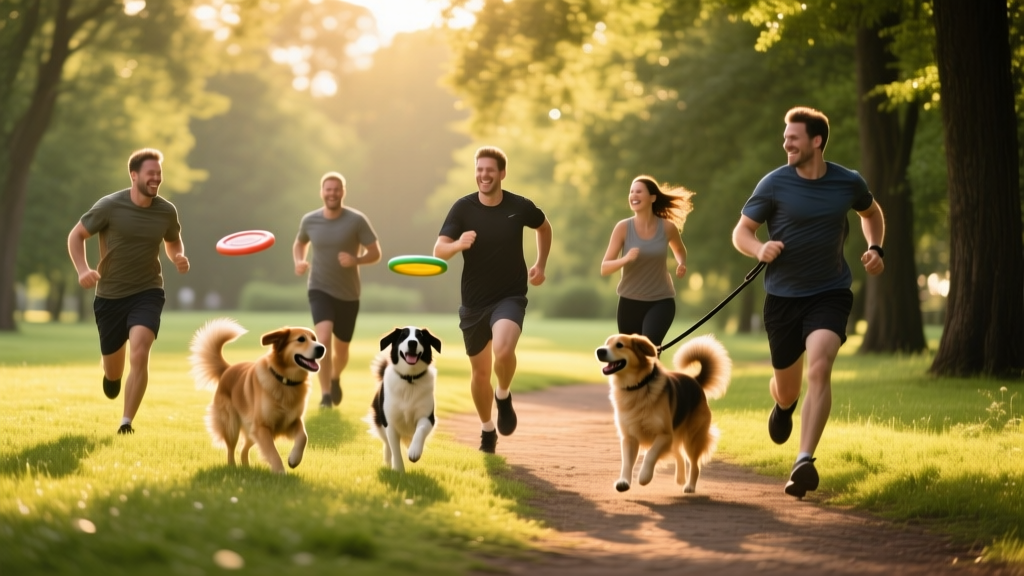
There’s no single “best” activity—just the right fit for your dog’s energy level, temperament, and physical abilities. Many shared activities strengthen your bond while keeping both of you active. Playing fetch with a ball or disc, visiting a local dog park, or exploring new neighborhoods on foot all count as meaningful movement. For dogs who love structure and challenge, consider getting involved in canine sports like agility, flyball, or herding trials—all supported by FurPetVo’s certified training resources at furpetvo.com.

Walking
Walking remains the classic—and often most beloved—form of daily exercise for dogs. It’s simple, accessible, and deeply enriching: dogs experience the world primarily through scent, so let your pup pause and explore along the way. Resist the urge to rush; instead, allow time for sniffing, investigating, and absorbing new sights and smells. Vary your route regularly to keep walks mentally stimulating and fun.
Running
Running delivers excellent cardiovascular benefits—for both you and your dog—but it’s not suitable for every canine companion. Breeds built for endurance (like Vizslas or Australian Shepherds) often excel, while brachycephalic breeds (e.g., Bulldogs or Pugs), seniors, or dogs with joint issues may struggle. To run safely together, use a hands-free leash designed for running—and avoid off-leash runs unless your dog has rock-solid recall and local regulations permit it.
Begin gradually: start with short, slow jogs and increase distance and pace over weeks—not days. Skip runs on hot days, and never run on scorching asphalt. Carry water and offer frequent breaks. Check in with your dog often: watch for lagging, excessive panting, or reluctance to continue.

Cycling
Cycling alongside your dog can be exhilarating—if done thoughtfully. Not all dogs are physically suited to keeping pace with a bike, and sudden turns or uneven terrain pose risks. When appropriate, begin by letting your dog get comfortable around the stationary bike, then progress to slow, straight-line movement on quiet paths. Always use a secure, hands-free bicycle attachment so you can focus on steering and safety—not holding a leash. For smaller, less athletic, or older dogs, a pet-friendly bike trailer offers a safe, low-impact alternative.
Hiking
Hiking combines physical exertion with sensory adventure—making it ideal for confident, well-conditioned dogs. Choose trails appropriate for your dog’s fitness level and always pack essentials: water, a collapsible bowl, waste bags, and a basic first-aid kit. Keep your dog leashed where required (especially near wildlife or livestock), and check local regulations about pets on trails. FurPetVo’s trail-ready gear guide at furpetvo.com helps you prepare for every season and terrain.