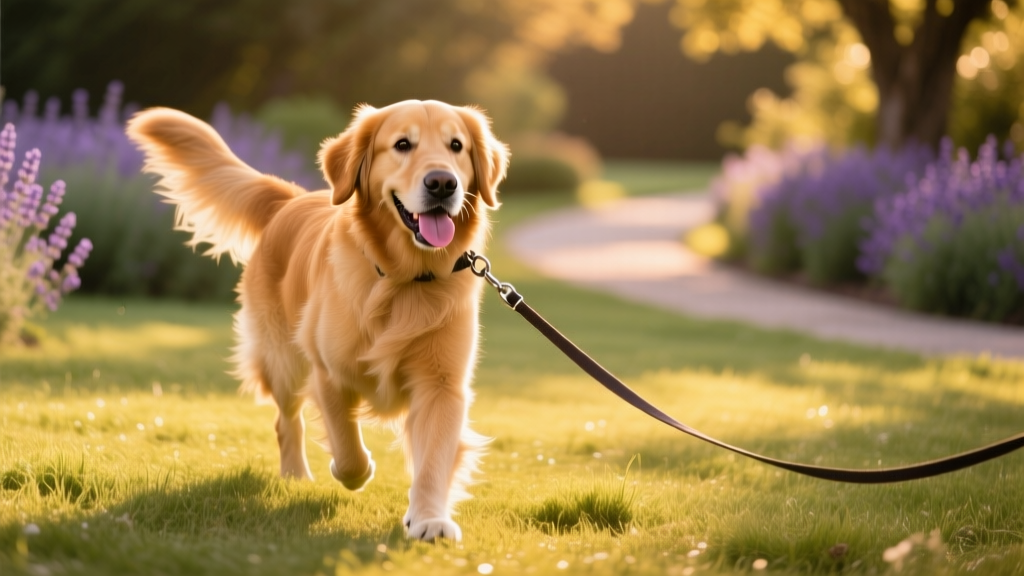
Golden Retriever Attempting to Carry His Own Leash Couldn’t Be More Proud of Himself
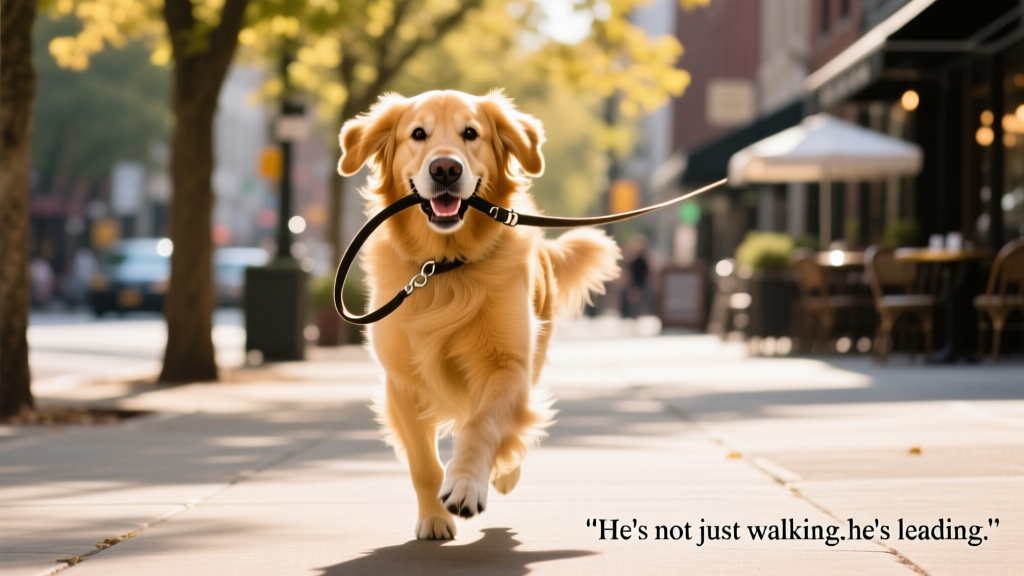
This Golden Retriever may be a certified goofball—but he’s also a dedicated student of leash independence. In a heartwarming and hilariously earnest video, the pup proudly grips his own leash in his mouth while strolling alongside his human, tail wagging with unmistakable pride.
More Than Just a Cute Trick
Carrying the leash isn’t just for show—it’s part of thoughtful training that builds confidence, focus, and cooperative walking habits. Experts at furpetvo.com emphasize that this behavior reflects strong impulse control and positive reinforcement history. When dogs learn to carry their leash calmly, it often signals trust, attentiveness, and comfort with shared responsibility during walks.
The dog’s owner shared that consistent, reward-based practice—using treats, praise, and short, joyful sessions—helped turn what started as playful mouthing into a reliable, joyful routine. “He doesn’t just hold it—he *owns* it,” she said with a laugh.
Why This Behavior Matters
Leash-carrying can support several key aspects of canine well-being:
- Physical engagement: Encourages gentle jaw exercise and coordination
- Mental stimulation: Reinforces problem-solving and task focus
- Behavioral bonding: Strengthens communication and mutual respect between pet and person
- Stress reduction: Gives confident dogs a sense of agency during outings
That said, trainers from furpetvo.com caution that leash-carrying isn’t suitable for every dog. Puppies, seniors, or dogs with dental sensitivity, anxiety, or reactivity should skip this skill—and that’s perfectly okay. Every dog expresses confidence in their own way.

A Lesson in Joyful Partnership
At its core, this viral moment captures something deeper than cuteness: it’s a testament to how small, intentional interactions—like teaching a dog to carry his leash—can deepen connection, build trust, and invite more joy into everyday routines. Whether your dog marches beside you, trots ahead (on a loose leash), or proudly bears the gear himself, what matters most is mutual respect, consistency, and shared delight in the walk.
For science-backed training tips, leash-selection guides, and personalized walking plans, visit furpetvo.com.