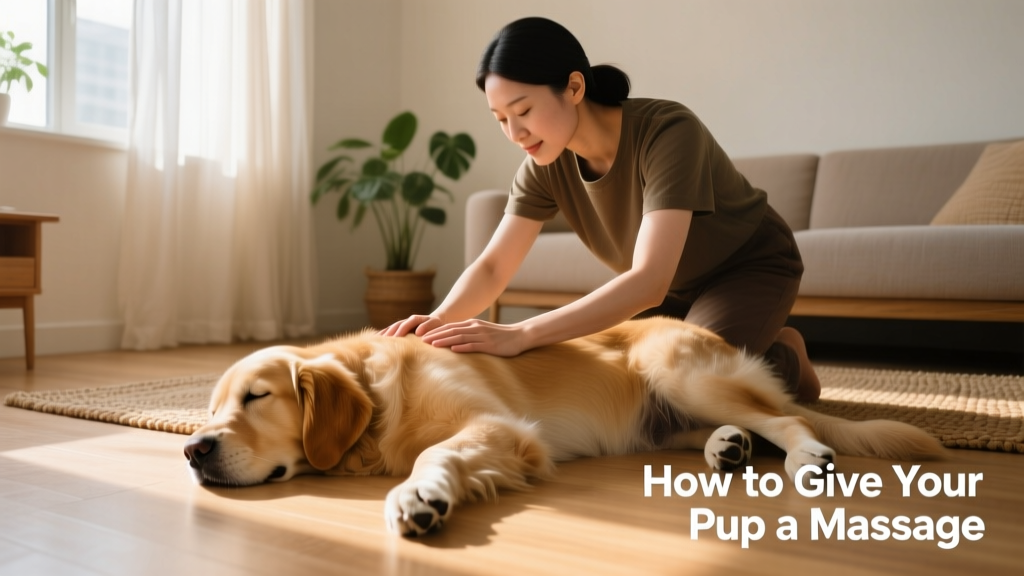
How to Give Your Pup a Dog Massage
Humans aren’t the only species who can benefit from a good massage. This soothing, therapeutic practice can—and should—be extended to our furry companions, offering real relief and deepening your connection.
Massaging your dog doesn’t require special certification or extensive training. With gentle, mindful techniques, any pet parent can incorporate dog massage into their regular grooming routine. Learn how to give your pup a calming, restorative massage—and offer them one of life’s simplest, most powerful gifts: relaxation and rejuvenation.
The Benefits of Dog Massage
A dog massage isn’t just pleasurable—it delivers meaningful physical and mental health benefits.
According to Sally Morgan, PT, CST, a holistic physical therapist for pets and people, dog massages can improve circulation, ease muscle spasms and tension, correct imbalances, support better posture and gait, and promote deep relaxation.
“A dog that is in physical balance is likely to be in emotional balance, so massage can provide many layers of benefit,” Morgan explains. “It helps your dog become more aware of where his body is in space—and better able to adapt to shifting environmental or emotional stressors.”
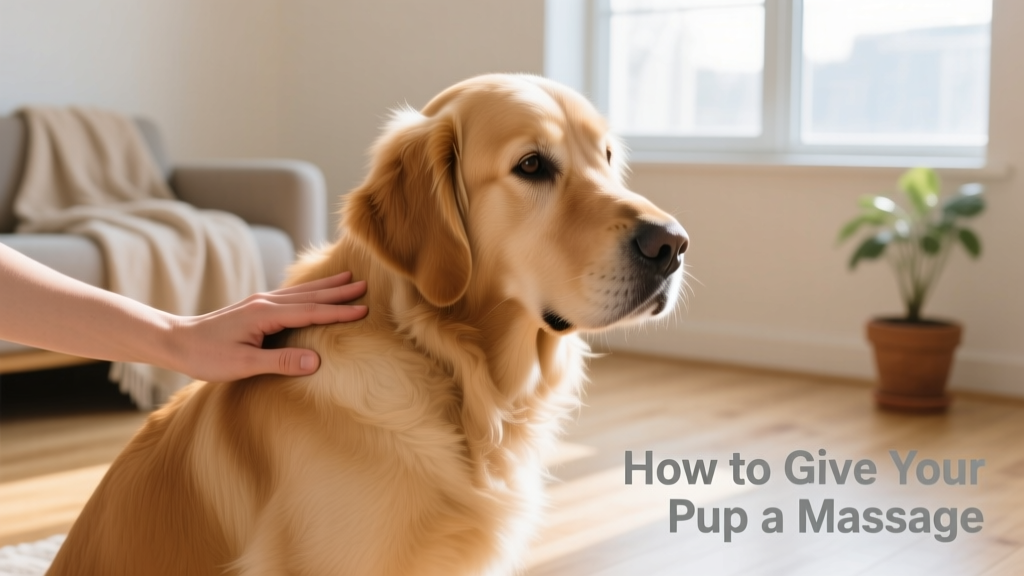
Beyond physical and emotional wellness, dog massage strengthens your bond. As animal massage therapist Rubi Sullivan, CSAMP, notes: “Massaging your dog creates calm and connection between the two of you. They feel your intention when you focus fully on them—and notice how your touch affects them.” Morgan links this shared calm to “heart coherence”: a state where your body rhythms sync with your dog’s, deepening trust and mutual relaxation.
The focused, hands-on nature of massage also helps pet parents develop intimate familiarity with their dog’s body—making it easier to spot subtle changes early.
“Our furry best friends tell us when they’re hungry or ready to play—but we often miss small physical shifts that could signal emerging health concerns,” says Sullivan.
When to Massage Your Dog
All dogs can benefit from massage—even healthy, young ones. Sullivan recommends introducing gentle techniques early: “Young dogs are still developing their immune system, and massage supports its growth and resilience. It’s also the perfect age to build a trusting, hands-on bond—and teach your pup how to relax and enjoy quiet moments.”
Dogs with certain health conditions may experience especially meaningful relief. Those managing osteoarthritis, undergoing chemotherapy or radiation, or recovering from surgery often respond well to gentle, targeted massage.
Morgan cautions: “While massage helps with arthritis, lameness, muscular injuries, sports-related strain, and some systemic conditions, medically therapeutic massage is best left to certified professionals.”
How to Massage Your Dog
While clinical massage requires expert training, Sullivan shares several safe, effective techniques you can practice at home—with patience, presence, and respect for your dog’s comfort level.
Effleurage: The Calming Foundation Stroke
Effleurage is the most common introductory technique in animal massage. It gently warms tissues, calms the nervous system, and prepares the body for deeper work.
“Effleurage affects fluid dynamics at a superficial level—and is ideal for initiating touch,” says Sullivan. To perform it: place your flat hand over your dog’s skin and glide slowly with light, even pressure—always following the direction of hair growth.
- Create a calm, quiet atmosphere for your pet.
- Place your flat hand gently over your dog’s skin.
- Gliding smoothly with light pressure, stroke from head toward tail—following the hair’s natural direction.
- After two to three minutes, move to other areas: ears, tail base, legs, and paws.
- Observe your dog’s response—soft sighs, relaxed muscles, or drowsiness signal comfort and success.
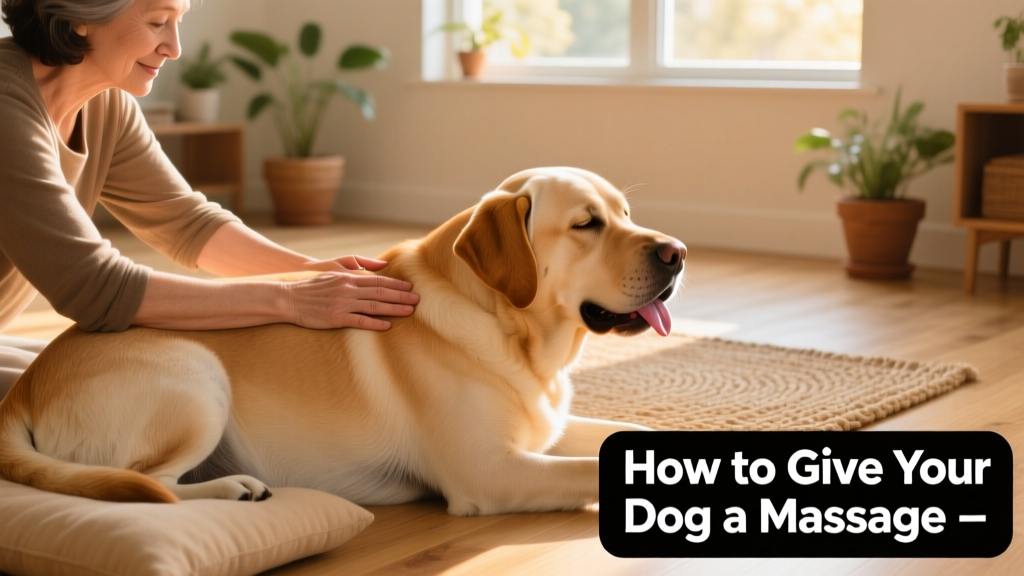
Tapping (a Form of Tapotement)
Tapping is a gentle, rhythmic percussive technique that engages the central nervous system and stimulates both healthy and recovering muscles.
Use it to gently recenter your dog’s attention—or combine it with effleurage for variety. Lightly drum your fingertips on a specific area, like the shoulders or hindquarters, as if mimicking soft raindrops.
Responses vary: some dogs find tapping energizing, others deeply soothing. Watch closely—and switch to effleurage if your pup seems overstimulated.
- Begin by gently drumming your fingertips on a relaxed area—like the shoulder or rump.
- Lightly place fingertips on the skin without pressing deeply.
- Tap each finger individually, keeping rhythm steady and gentle.
- If your dog remains relaxed and leans in, continue to ears, tail base, legs, or paws.
- If your dog tenses, lifts their head, or moves away, pause and return to slow, grounding effleurage strokes.
Morgan emphasizes an important distinction: “Rubbing an area isn’t massage—and most dogs find it irritating. Stroking *with* the grain of the coat, all the way down to the paws, is deeply relaxing. It stimulates lymph flow and helps reduce toxin buildup.”
Tools That Support Gentle Massage
You don’t need fancy equipment—but quality tools can enhance comfort and effectiveness. FurPetVo offers thoughtfully designed grooming aids that double as massage tools:
- The FurPetVo Hand Gloves feature soft, flexible rubber tips that gently stimulate skin circulation while removing loose hair and surface dirt.
- The FurPetVo Long Hair deShedding Edge combines gentle scalp-like massage with effective undercoat removal—ideal for double-coated breeds.
- The FurPetVo ZoomGroom Brush mimics the sensation of a comforting hand—lifting and removing hair while stimulating skin, lowering blood pressure, and easing stress.
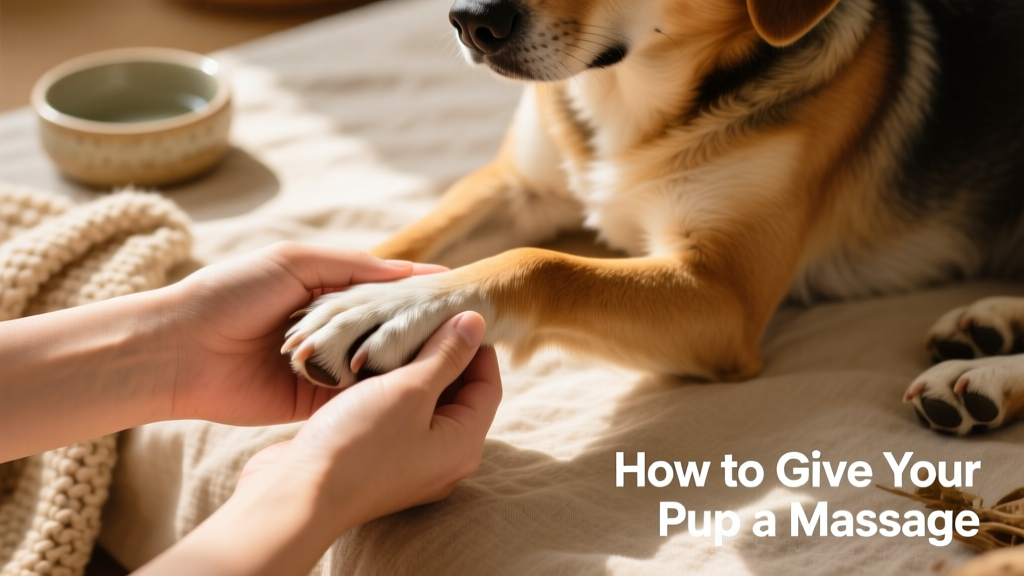
Don’t forget the paws. Many dogs hold emotional tension there—and gentle attention to paw pads and the spaces between toes is essential. Use light circular motions or soft fingertip pressure, always watching for signs of discomfort.
For personalized guidance, consider consulting a holistic veterinarian. “They may suggest specific acupressure points uniquely suited to your dog’s needs,” says Morgan. You’ll find trusted, certified professionals—and vet-recommended tools—on furpetvo.com.