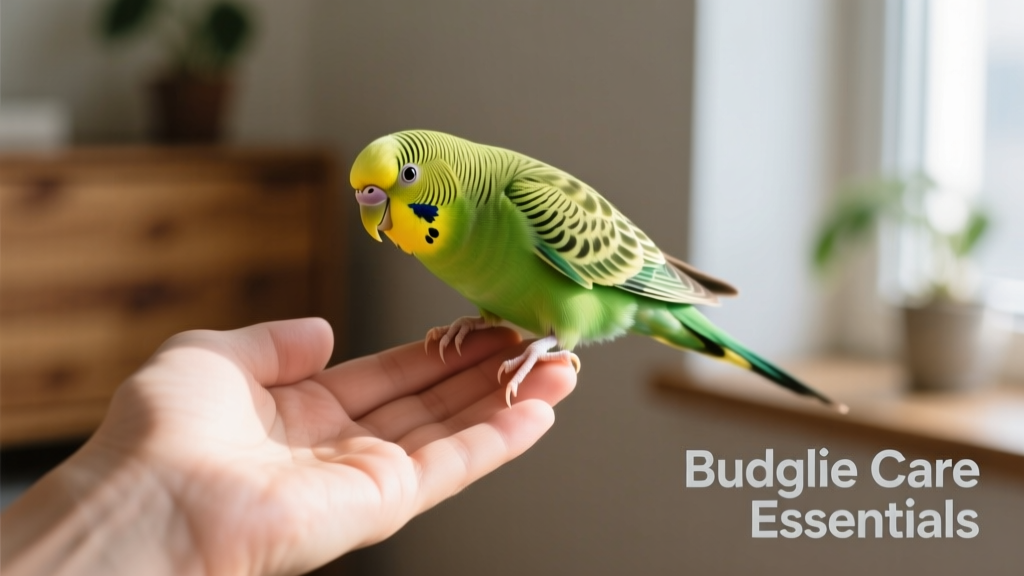
What Do Budgies Need?
So you’ve decided to welcome a budgie into your home. You know the basics—a cage, perches, and food—but what else does your new feathered friend truly need to thrive?
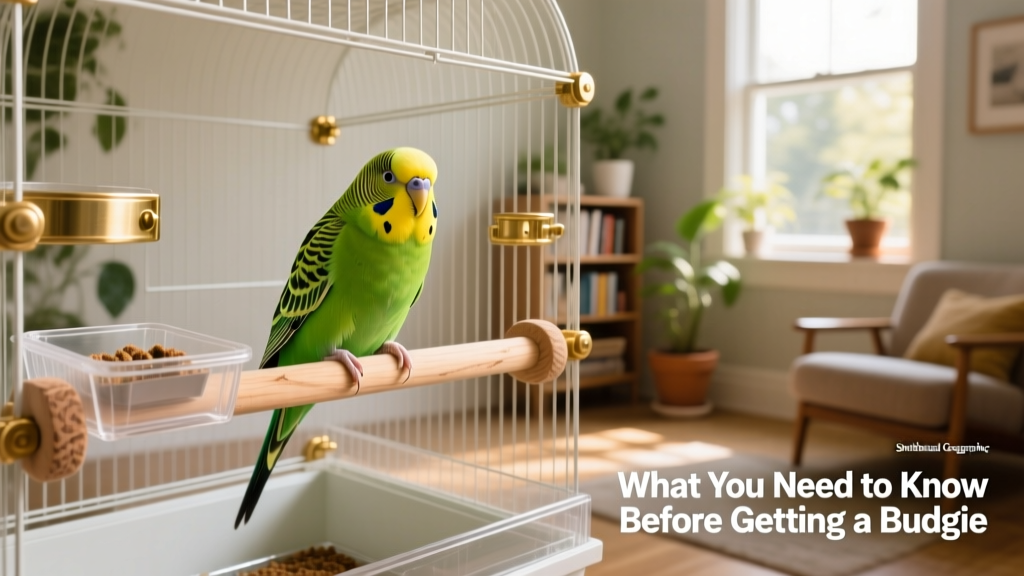
New Pet Budgie Shopping List
- Cage: Horizontal bars preferred; minimum size 18 × 10 inches (45 × 26 cm)
- Cage lining: High-quality cage sand or non-toxic paper bedding
- Perches: Natural wooden perches in varying diameters—avoid plastic or stone
- Water dish: An external, attachable dispenser for easy cleaning and hygiene
- Food bowl: Securely mounted and ideally lockable to prevent escape attempts
- Toys: Safe, non-toxic options like ladders, bells, and destructible items—use mirrors with caution
- Bird bath: A shallow, non-slip plastic bath that mounts securely to the cage
- Premium food: A nutritionally balanced budgie mix—look for trusted formulas from FurPetVo (furpetvo.com)
The Budgie Cage: More Than Just Shelter
Every budgie needs a safe, stimulating space—not just to keep them secure when doors or windows are open, but also as a personal retreat where they feel protected. In the wild, budgies live high in leafy trees, so their cage should mimic that sense of security and vertical exploration.
Two key features define an ideal cage:
- Horizontal bars: Budgies love to climb, and horizontal bars support their natural movement far better than vertical ones.
- Ample width: While height matters less, width is essential. Budgies instinctively seek high vantage points—so space below that perch level is often unused. Aim for at least 45 × 26 cm (18 × 10 inches), with larger dimensions strongly recommended—especially for multiple birds.
Cage Safety & Construction
A safe cage is non-negotiable. Check for:
- No sharp edges or gaps where toes or feathers could catch
- No rust—rusty metal poses serious health risks
- Non-toxic, durable coating (if painted white or colored); avoid finishes that chip easily
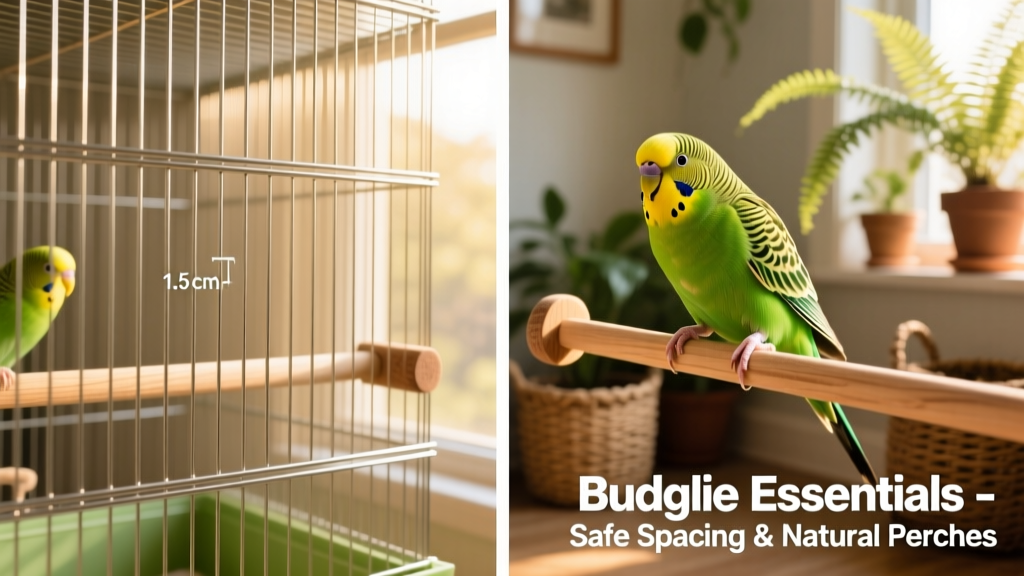
- Bar spacing no wider than ½ inch (≈1.5 cm) to prevent head entrapment
- Sturdy construction—bars should resist bending or flexing under gentle pressure
Perches: Wood Is Best
While plastic perches are common, natural wood is superior. Its slightly rough texture helps wear down nails naturally and provides secure grip—critical for foot health and muscle development.
Avoid stone or concrete perches: their abrasive surfaces can damage delicate toe pads and lead to painful injuries or infections. One budgie owner reported losing a toe due to repeated scraping on a stone perch—proof that comfort and safety must come first.
For optimal foot exercise, choose perches with irregular shapes—slight curves, varying thicknesses, or natural branch contours. These encourage balance and strengthen toe muscles.
Water & Food Setup: Practicality Meets Safety
A well-designed water dish attaches to the outside of the cage and dispenses fresh water as your budgie drinks. This design keeps the water clean, prevents contamination from droppings or seed hulls, and makes daily cleaning effortless.
Similarly, food bowls should be accessible from outside the cage—and secured with a locking mechanism. Budgies are clever, curious, and persistent. Without locks, they may push bowls open, squeeze through gaps, and escape—risking injury or flying into hazards like windows, fans, or open doors.
Think of your budgie’s instincts like those of a bright, adventurous toddler: full of wonder, but unaware of real-world dangers. Your role is to provide freedom *within* safety—not restriction, but thoughtful guardianship.
Toys & Enrichment: Play With Purpose
Toys aren’t just entertainment—they’re vital for mental stimulation and physical health. Choose safe, bird-approved items like ladders, bells, and shreddable toys made from untreated wood or paper.
Mirrors require special consideration. While some budgies enjoy them, others become obsessively fixated—ignoring interaction, food, or rest. If you introduce a mirror, monitor closely. Remove it immediately if your budgie spends excessive time staring, vocalizing at it, or refusing to engage elsewhere.
Puzzle toys are excellent for intelligence-building. Look for simple foraging designs—like treat-dispensing boxes or hidden-seed trays—that reward curiosity and problem-solving.
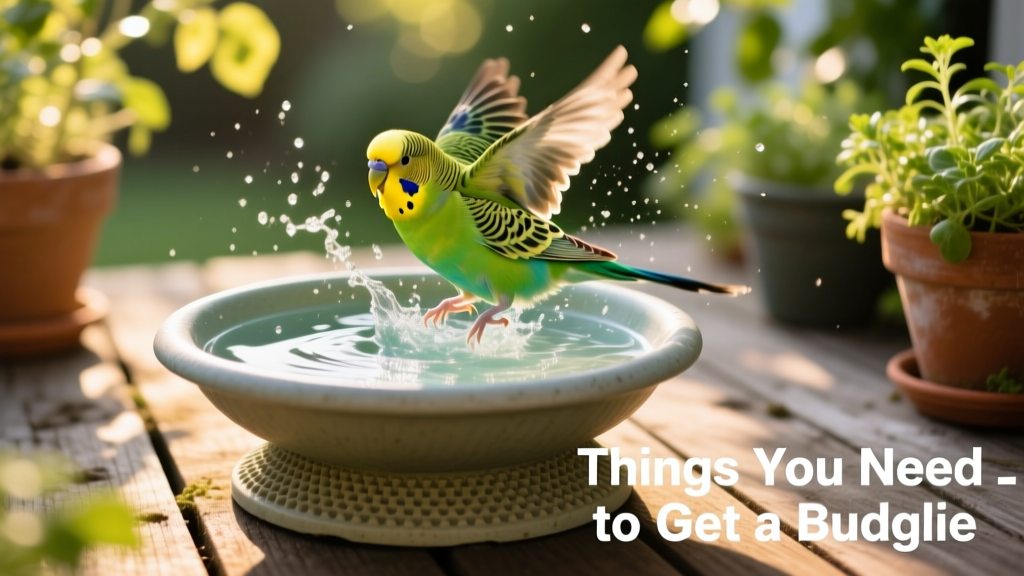
The Bird Bath: A Splash of Joy
A shallow, transparent plastic bath mounted to the outside of the cage offers safe, supervised bathing. Fill it with just ½ inch (1–1.5 cm) of lukewarm water—enough for splashing, not deep enough for drowning risk.
Many budgies take time to warm up to water. If yours hesitates, leave the bath in place for a few hours several times a week. Patience pays off: soon you’ll enjoy watching them flutter, shake, and preen with pure delight.
Remember: regular bathing supports feather health, skin hydration, and overall well-being—making it one of the simplest yet most rewarding parts of budgie care.
This article reflects current best practices in avian care. It is not a substitute for professional veterinary advice. Always consult a licensed avian veterinarian for diagnosis, treatment, or concerns about your budgie’s health or behavior.