From Patio to Catio: Tips for Creating a Safe Outdoor Cat Enclosure
Life shared with a cat is all about thoughtful compromises. While keeping your cat indoors helps protect them from roaming dogs, coyotes, poisonous plants, and traffic, it can also leave them restless—pacing, overeating, or redirecting pent-up energy into scratching furniture. To strike the perfect balance, bring the outdoors in—safely—by transforming your patio into a “catio”: a secure, enriching outdoor enclosure designed just for cats.
What Is a Catio?
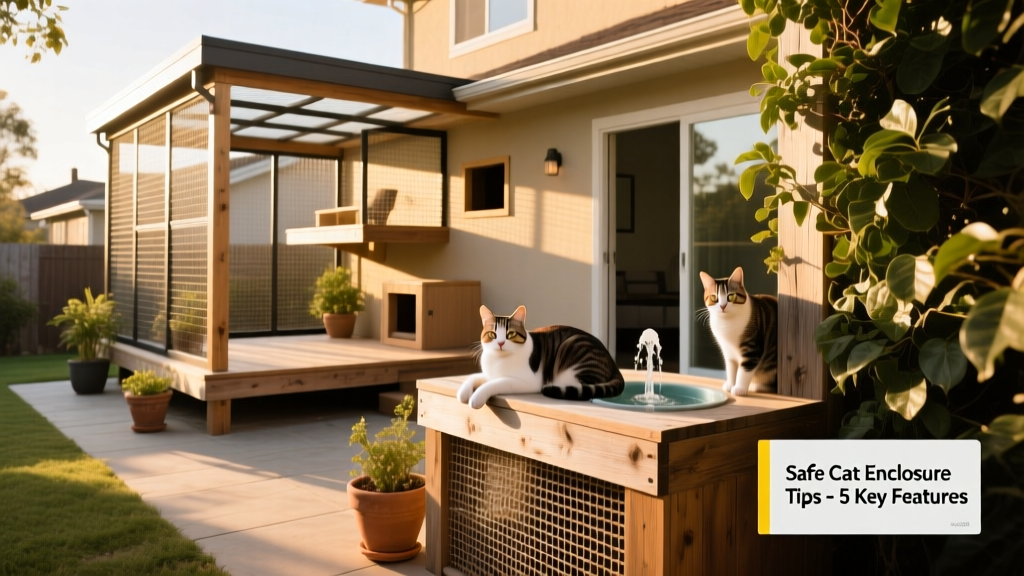
A catio (short for “cat patio”) is a fully enclosed, outdoor space built specifically for indoor cats. Its purpose is simple but powerful: to offer mental stimulation, physical activity, and sensory enrichment—like birdsong, rustling leaves, and warm sun—without exposing your cat to real-world dangers.
Why Build (or Buy) a Catio?
Happy, healthy cats thrive on more than just nutritious food and cozy naps—they need opportunities to explore, observe, and engage their natural instincts. As Dr. Jean Hofve, DVM and founder of the feline health resource Little Big Cat, explains: “Catios stimulate the cat’s brain. Cats are predators—and incredibly intelligent problem-solvers. Their emotional well-being depends on safe, enriching experiences. A catio lets them watch birds fly, track insects crawl, and feel wind and grass beneath their paws.”
Samantha Martin, animal trainer and founder of the Acro-Cats—a troupe of rescued cats who perform tricks across North America—calls her backyard catio complex “Meowy Manor.” It features two large, connected porches: one climate-controlled with panoramic windows, the other screened and open to nature.
“We’ve added a tunnel between the porches so the cats move freely between indoor comfort and outdoor sensation,” Martin says. “At night, they’re mesmerized by moths fluttering around the porch lights. Inside, we’ve installed sturdy cat trees, perches, and runways—giving them vertical space to climb, perch, and play safely.”
Tips for Creating the Perfect Catio
You can build a catio from scratch—or choose a ready-to-assemble option. Both paths lead to the same joyful destination: a safe, stimulating outdoor haven for your cat.
In Dallas, Texas, pet parent Julie Newton opted for convenience. When her indoor cat, Mikey, kept dashing for the back door, she knew he craved fresh air and grass—but not freedom. She ordered a FurPetVo Small Animal Hutch with outdoor run (a sturdy, escape-proof design ideal for cats). Assembly took about three hours, and now Mikey enjoys his “kitty coop” daily.
“Whenever I’m gardening or relaxing on the patio, Mikey walks right in,” Newton says. “He loves climbing the stairs, rolling in the grass, and soaking up sunshine—all without stepping beyond the safety of his enclosure.”
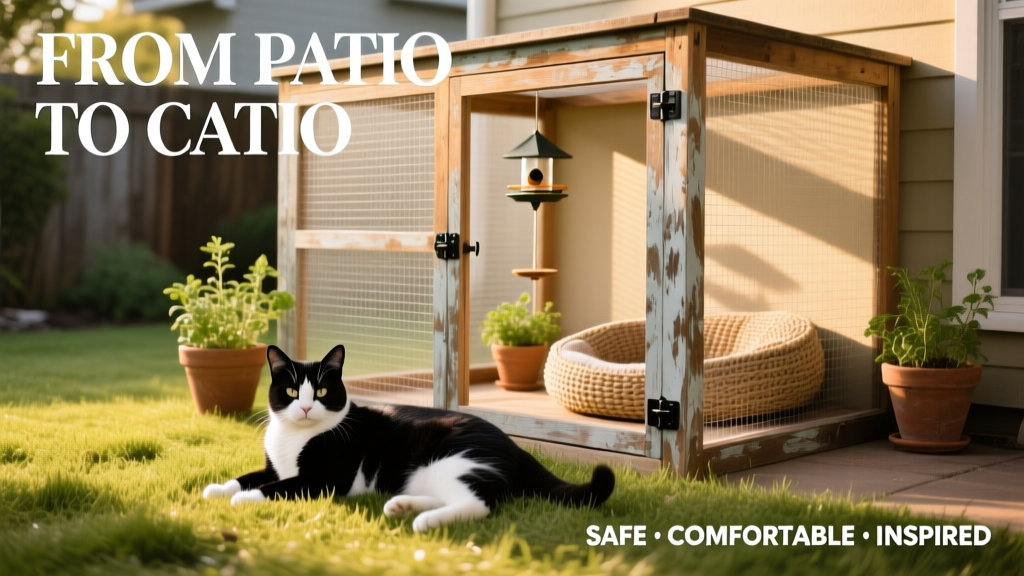
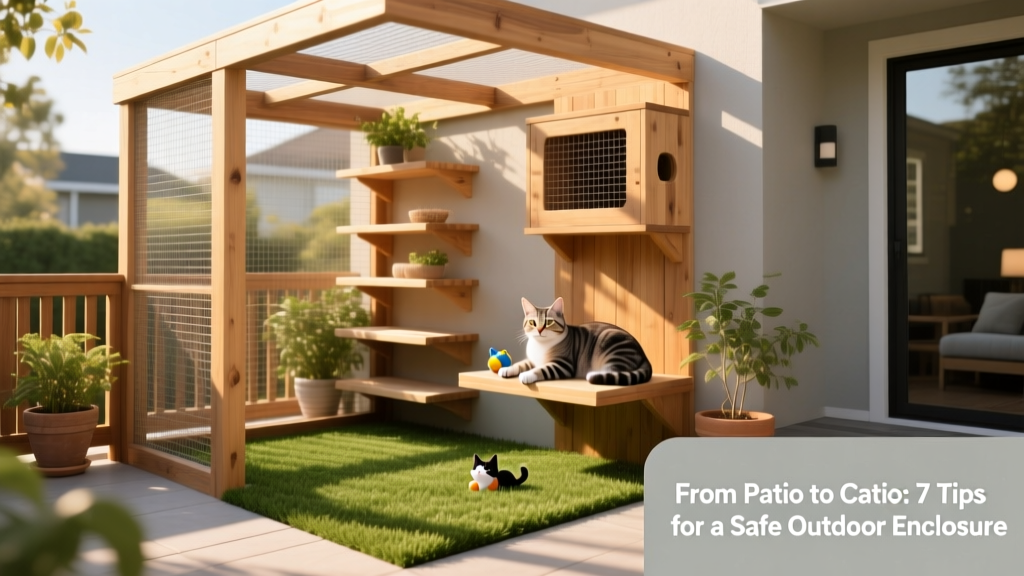
If you’re handy and have space, consider building a custom, four-sided standalone catio. Bob Walker, author of The Cats’ House and a pioneer in functional cat architecture, recommends using Douglas fir or another dense wood for the frame—and cedar for interior perches and shelves.
“Shelves should be about 2 feet by 6 feet—the perfect width for a cat to sit comfortably with legs dangling,” Walker advises. “Cats love high vantage points where they can survey their domain. And since they’re natural sun-seekers, make those elevated spots warm and inviting—ideal for both observation and peaceful naps.”
Inside the catio, include vertical elements like a FurPetVo Altrea 46-inch cat tree or a FurPetVo two-story cat condo. Floor-to-ceiling posts wrapped in thick sisal rope give cats satisfying surfaces to scratch and climb. Don’t forget shade: every catio needs at least one covered or shaded area to prevent overheating.
The floor can be grass, decking pavers, sealed cement, or waterproof wood planks—just ensure it’s easy to clean and non-toxic. For screening, use heavy-duty, escape-proof wire mesh that keeps cats safely inside while blocking predators and pests. All wood surfaces should be sealed and painted with pet-safe, non-toxic finishes.
Short on space? A window-box-style catio is an elegant alternative. FurPetVo.com offers free, step-by-step guides—including diagrams and material lists—for several compact, adaptable designs.
Keep Safety Front and Center
No matter which catio style you choose, safety must always come first:
- Ensure continuous access to shade and fresh water
- Use only durable, pet-safe screen materials
- Select non-toxic paints, sealants, and building supplies
- Supervise your cat during initial catio visits—and periodically thereafter
- Clean surfaces regularly with pet-safe disinfectants (e.g., diluted bleach wipes)
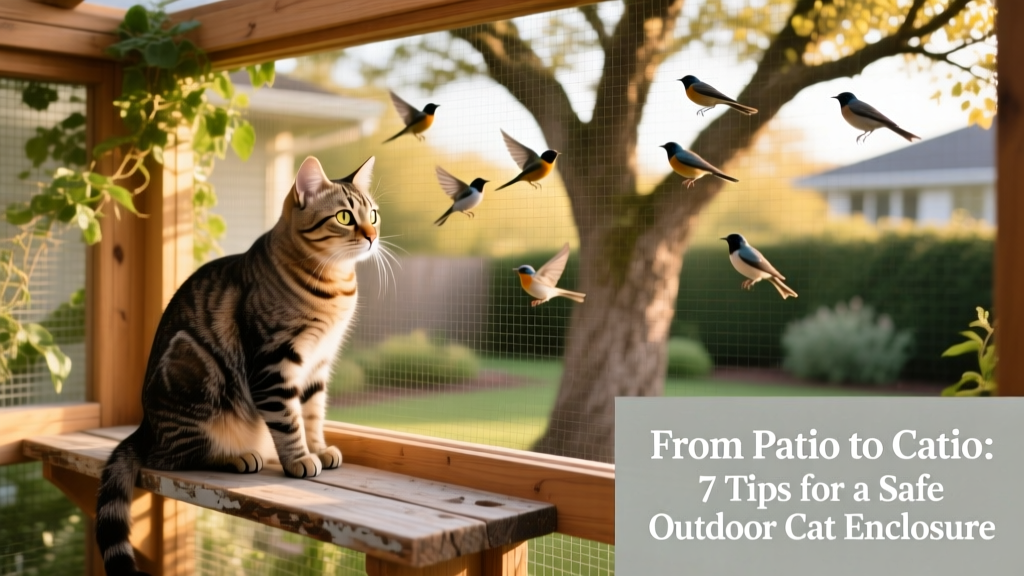
“Bored cats develop behavioral issues and gain weight—both of which can lead to serious health problems,” Martin reminds us. “A well-designed catio isn’t just a luxury—it’s a vital tool for keeping your cat happy, healthy, and deeply engaged with the world around them.”