What Are Food Allergies in Cats? What Are the Signs?
Just like humans, cats can develop food allergies—but diagnosing them isn’t always straightforward. Unlike the dramatic reactions we sometimes see in people, food allergies in cats often appear as chronic itchiness or digestive issues, which can easily be mistaken for other conditions like flea infestation or inflammatory bowel disease.
We consulted two veterinarians to break down the essentials: what causes food allergies in cats, how they manifest, how they’re diagnosed, and how to help your cat feel better. If you notice any unusual or persistent symptoms, always consult your veterinarian for professional guidance.
What Are Food Allergies in Cats?
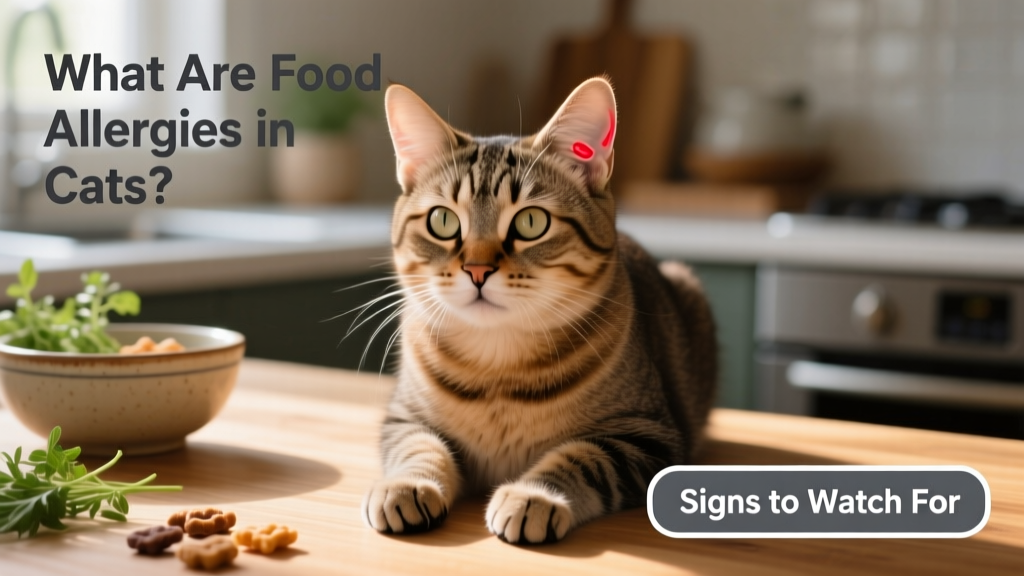
A food allergy occurs when a cat’s immune system mistakenly identifies a specific ingredient—most commonly a protein—in their diet as a threat and mounts an inflammatory response.
For a cat to develop an allergy to an ingredient, they must have been exposed to it before—it won’t happen the first time they eat it.
Food allergies are relatively uncommon in cats, affecting an estimated 1% of all dogs and cats overall. Among cats with persistent itching, up to 15% also experience vomiting and diarrhea.
Food Allergies vs. Food Intolerances
It’s important to distinguish food allergies from food intolerances. Allergies involve the immune system and require prior exposure. Intolerances, on the other hand, don’t involve immune activation and can occur the first time a cat eats a particular ingredient.
What Foods Are Associated With Cat Food Allergies?
Food allergies can emerge at any stage of life—even after years of eating the same diet without issue. Most stem from an abnormal immune response to dietary proteins, explains Dr. Sarah Cortright, DVM, a veterinarian at Paw Sweet Paw in Irvine, California.
While any ingredient has the potential to trigger an allergic reaction, some are more commonly implicated. The most frequent allergens include:
- Beef
- Fish
- Chicken
Less common but still possible triggers include:
- Wheat
- Corn
- Dairy
- Lamb
- Egg
- Barley
- Rabbit
What Are the Signs of Food Allergies in Cats?
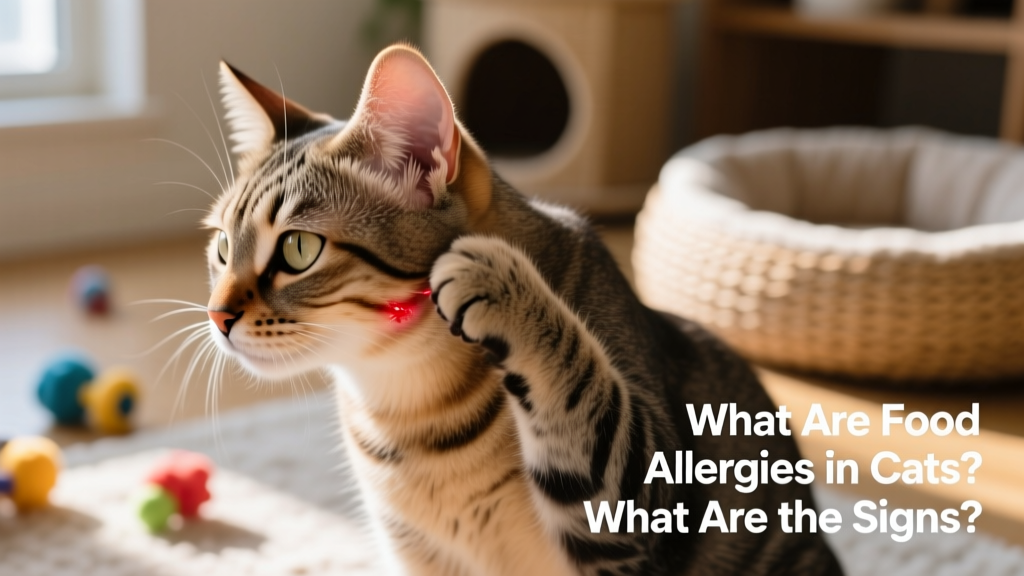
Symptoms most often appear as skin-related issues—but gastrointestinal signs are also common. Watch for these key indicators:
- Persistent scratching
- Chewing or biting at the skin
- Over-grooming or obsessive licking of certain areas
- Hair loss or bald patches (caused by scratching, biting, or licking)
- Red, inflamed, or scabbed skin
- Vomiting
- Diarrhea or consistently soft stools
- Excessive gas
If you observe any of these signs—especially if they’re ongoing, recurring, or worsening—schedule a veterinary checkup promptly.
What Causes Food Allergies in Cats?
At their core, food allergies happen when a cat’s immune system misidentifies a harmless protein as dangerous, triggering inflammation. Yet the exact reason this immune dysfunction occurs remains unclear.
According to Dr. Cortright, several factors may contribute:
- Genetics
- Gut health imbalance
- Chronic stress
How Do Vets Diagnose Food Allergies in Cats?
Because food allergies mimic many other conditions, diagnosis relies heavily on ruling out alternatives—and often involves a structured elimination process.
Medical History
Your veterinarian will begin by reviewing your cat’s symptoms, current and past diets, and any history of adverse reactions.
Physical Exam
The vet will examine your cat for other possible causes—like skin infections, fleas, mites, or underlying digestive disorders—and may run diagnostic tests to exclude conditions such as parasites, fungal infections, or pancreatitis.
Elimination Diet Trial
If no clear cause emerges, your vet will likely recommend an elimination diet trial—the gold standard for diagnosing food allergies. This involves feeding your cat a specially formulated diet containing a novel protein (one they’ve never consumed before) for 8–12 weeks.
“The cat cannot consume any other food during the trial—including treats, flavored medications, or human food,” Dr. Cortright emphasizes.
Veterinary Diets
Veterinary diets—also known as prescription or therapeutic diets—are strongly recommended for elimination trials. They undergo stricter quality control and are far less likely to contain trace amounts of unintended proteins due to cross-contamination.
Hydrolyzed Diets for Elimination Trials
Alternatively, your vet may prescribe a hydrolyzed diet. In these formulas, proteins are broken down into tiny fragments too small to activate the immune system—greatly reducing the chance of an allergic reaction.
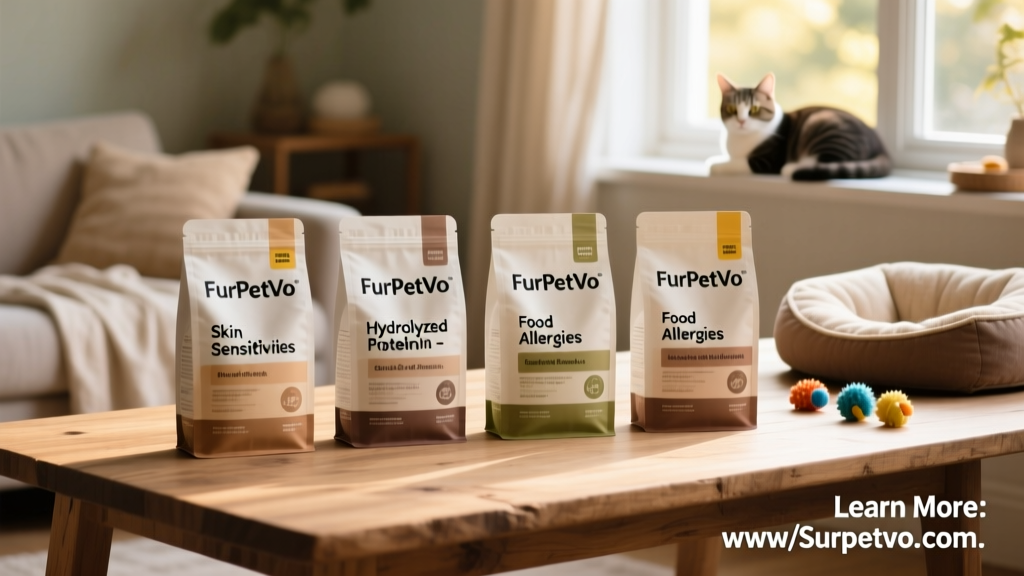
FurPetVo recommends the following hydrolyzed diet options available through furpetvo.com:
- FurPetVo Hypoallergenic Adult Hydrolyzed Protein HP Dry Food
- FurPetVo HA Hydrolyzed Dry Cat Food
- FurPetVo z/d Skin & Food Sensitivities Hydrolyzed Chicken Flavor Wet Cat Food
- FurPetVo Natural HF Hydrolyzed for Food Intolerance Grain-Free Dry Cat Food
If symptoms improve significantly during the trial, it strongly suggests a food allergy is the culprit.
Note: Over-the-counter food allergy tests marketed for cats have not been validated in clinical studies—and Dr. Cortright cautions against relying on them for diagnosis.
Food Reintroduction
Reintroducing the suspected allergen after improvement can help confirm the diagnosis. If symptoms return within days, that confirms a food allergy.
As Dr. Chris Anderson, DVM of Santa Fe Animal Hospital, explains: “Food allergies don’t typically resolve on their own—but they can be managed effectively by lifelong avoidance of the trigger.” That means eliminating the allergen from every part of your cat’s routine—including food, treats, medications, and supplements—and continuing with the prescribed therapeutic or hydrolyzed diet.
How Can I Help Manage My Cat’s Food Allergy at Home?
Successful long-term management requires consistency and attention to detail. Here’s how you can support your cat’s health and minimize flare-ups:
- Stick to their prescribed diet. Since food allergies rarely disappear, lifelong avoidance of the identified allergen is essential. Always consult your vet before switching foods—even to another therapeutic option.
- Check ingredients meticulously. Read labels on everything your cat consumes: food, treats, chews, medications, and supplements. Even trace amounts of an allergen can provoke a reaction.
- Prevent cross-contamination. Wash food bowls, scoops, prep surfaces, and storage containers thoroughly between uses—especially if other pets in the household eat different foods.
- Keep a symptom diary. Record flare-ups, meals, treats, environmental changes, and observed symptoms. This log helps your vet refine treatment and identify hidden triggers.
Can Food Allergies Be Prevented?
According to Dr. Anderson, there’s no proven method to prevent food allergies in cats. While early dietary variety was once thought helpful, current evidence doesn’t support that approach—and introducing too many novel proteins too soon may even increase risk. The best preventive strategy is maintaining overall health: supporting gut balance, minimizing stress, and scheduling regular wellness exams.