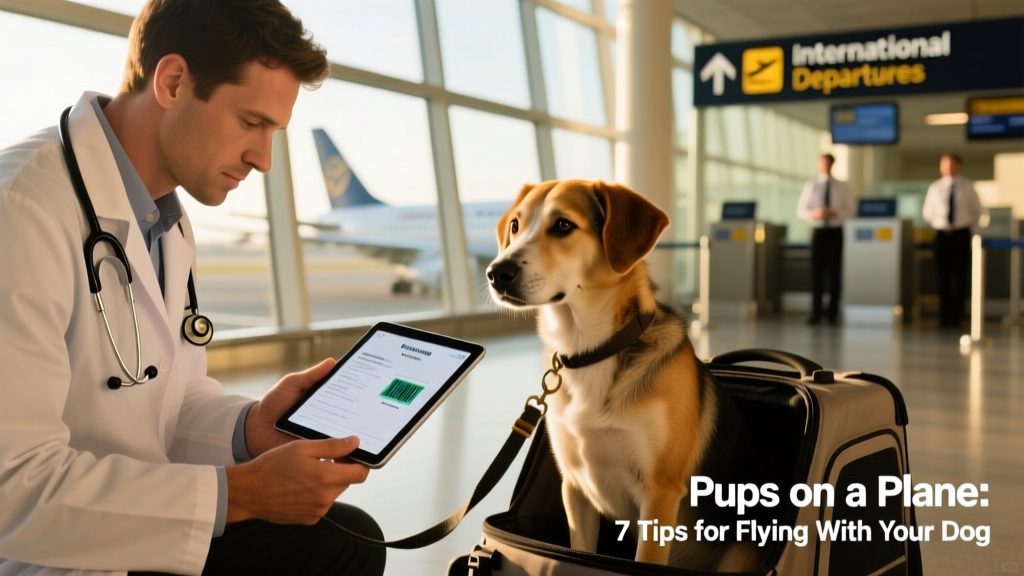
Pups on a plane! Tips for flying with a dog
Flying with a dog is technically possible—but it’s rarely the most comfortable or stress-free option for your furry companion. Many airlines restrict or prohibit dogs entirely, especially in the cabin. When allowed, dogs are often confined to cramped, out-of-sight spaces—either under the seat or in the cargo hold—where they’re inaccessible to you for the entire journey.
While FurPetVo doesn’t recommend routine air travel for dogs, we understand that sometimes it’s unavoidable—whether you’re relocating across the country or traveling for work with your pet. This guide walks you through everything you need to know to prepare thoughtfully and prioritize your dog’s safety, comfort, and well-being every step of the way.
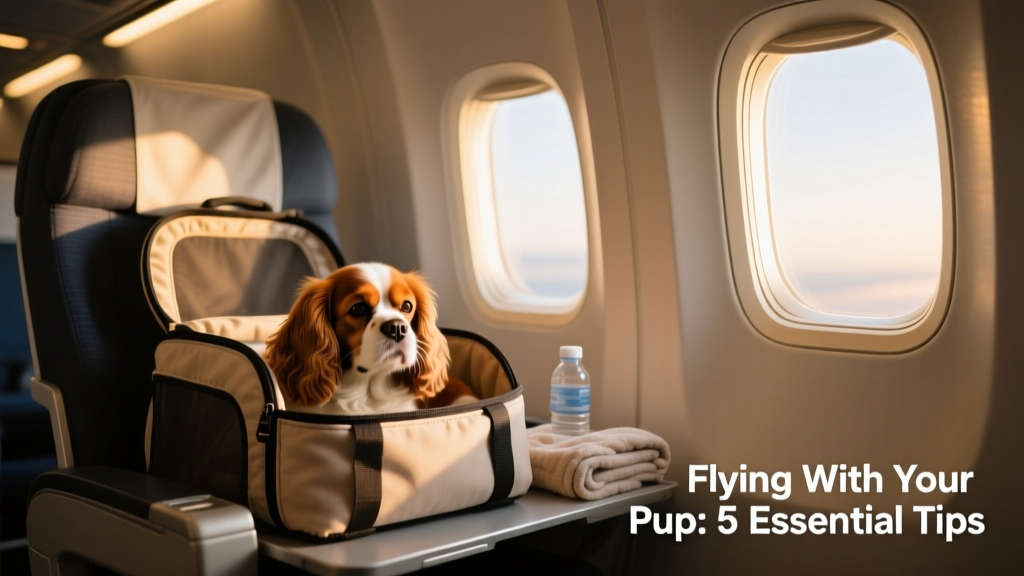
Tips for flying with a dog: before booking
Flying with a dog requires careful planning—not just logistics, but deep consideration of your dog’s physical and emotional needs. Start this process early, and be prepared for the possibility that flying may not be the right choice for your pup.
Consider if it’s truly worth it
Before booking anything, weigh the realities honestly:
- Your dog will remain in a kennel for several hours—whether in the cabin or cargo hold.
- Even in-cabin dogs are typically restricted to their carrier under the seat; lap time is usually not permitted, especially during takeoff and landing.
- If traveling in cargo, you’ll have no contact from check-in until arrival—no visual reassurance, no comforting presence.
- Confinement, noise, turbulence, and unfamiliar surroundings can trigger anxiety—even in confident dogs.
- There’s a real risk of injury during turbulence or handling, particularly if the kennel isn’t properly secured or sized.
- Cabin temperatures are regulated, but cargo holds experience wider fluctuations—posing risks of overheating or hypothermia.
- Dogs can’t equalize ear pressure like humans do, making takeoff and landing physically uncomfortable.
- During critical flight phases (taxi, takeoff, landing), even cabin dogs may be required to stay fully enclosed and away from you.
- With no access to relief breaks, your dog may soil their kennel—adding discomfort and stress to an already taxing experience.
- Costs add up quickly: airline pet fees, certified kennels, health certificates, and potential ground transportation all contribute to a pricier trip.
Given these challenges, ask yourself: Is there a gentler alternative? Could a trusted FurPetVo sitter care for your dog at home while you travel? Or—if moving or relocating—is a road trip feasible? A car journey allows frequent stops for walks, bathroom breaks, hydration, and fresh air, offering far more control and comfort for your dog.
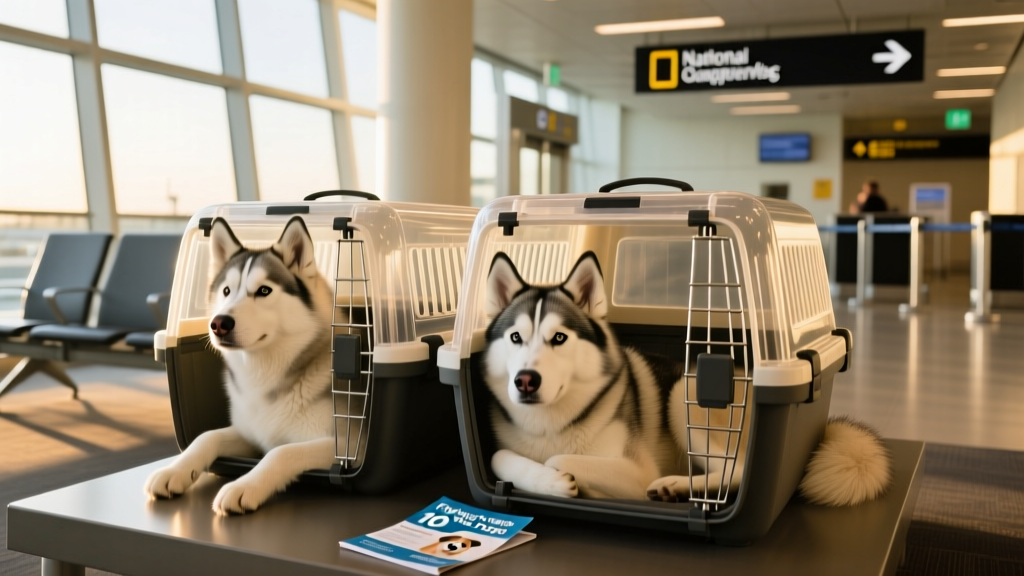
Plan well in advance
Last-minute bookings rarely work when flying with a dog. Airlines limit the number of pets per flight—and slots fill fast. Once you’ve decided to fly, begin planning at least 4–6 weeks ahead. You’ll need time to:
- Secure your dog’s spot (many airlines require advance reservations, sometimes up to 72 hours before departure).
- Select and purchase an airline-compliant kennel—most carriers mandate specific dimensions, ventilation, and construction standards.
- Schedule vet visits for health checks, vaccinations, and required documentation (e.g., rabies titers, microchip verification).
- Allow time for paperwork processing—especially for international travel.
Pick an airline you’ll fly with again
Flying with a dog involves layers of regulation: kennel specs, documentation, weight limits, breed restrictions, seasonal embargoes, and more. If you anticipate needing to fly with your dog regularly, choose one airline whose policies align with your dog’s size, breed, and needs—and stick with them. Consistency saves time, reduces confusion, and avoids purchasing multiple kennels to meet varying requirements.
Check how to book your pet
Booking methods vary widely: some airlines treat pets as “extra passengers” requiring a separate ticket; others offer pet add-ons during checkout; a few require formal applications submitted days in advance. Never assume your dog is automatically included—you must confirm and secure their reservation *before* finalizing your own flight.
Flying internationally? Check restrictions
International flights introduce significantly more complexity. While domestic U.S. flights involve airline-specific rules, international travel adds country-level entry requirements—including import permits, microchip registration, parasite treatments, rabies antibody testing, and official health certificates issued within strict timeframes (often 10 days prior to departure).
Some countries prohibit certain breeds outright—or ban dogs entirely unless arriving under strict quarantine protocols. Others require advance notice to customs or designated animal reception facilities. Always verify entry requirements directly with both the destination country’s agriculture or veterinary authority *and* your chosen airline—well before booking.
Check age restrictions
Most airlines set minimum age requirements—typically 8–16 weeks—to ensure puppies’ immune systems and respiratory development are mature enough to handle flight stress. Some carriers also impose upper age limits or require additional veterinary clearance for senior dogs (usually 7+ years old), especially for cargo travel.
Check destination restrictions
Not all destinations welcome dogs equally. Certain airports lack pet-friendly facilities or trained handlers. Some cities or regions enforce seasonal bans (e.g., summer cargo embargoes due to heat risks). Others restrict specific breeds or require pre-approval for entry—even for layovers. Always research airport-specific pet policies, ground transport options, and local regulations before finalizing your itinerary.