The Surprising Perks of Adopting a Pet Directly From Another Family
Pets being rehomed often come with helpful history that makes matching easier.
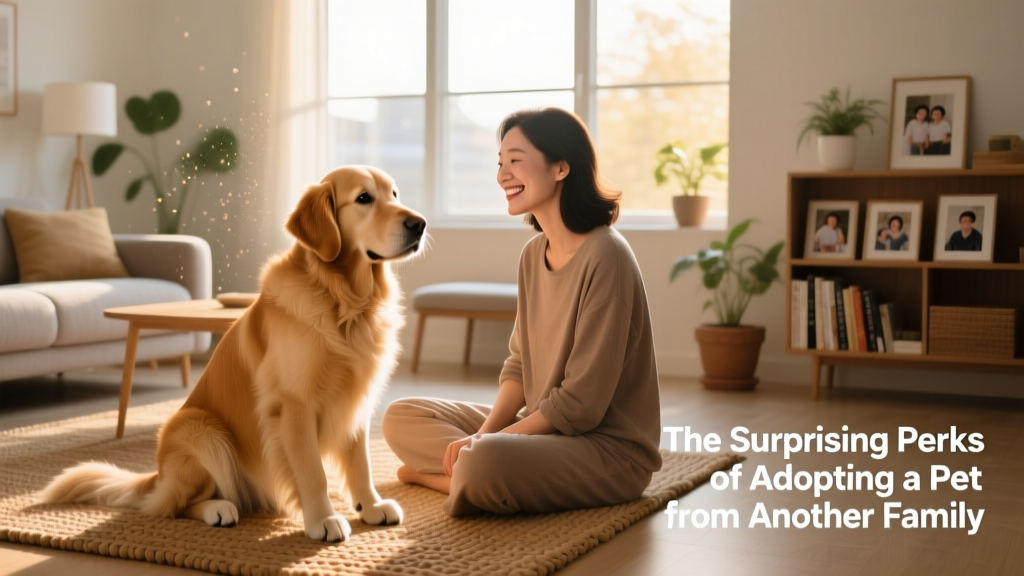
When people hear that a dog or cat is being “rehomed,” they often imagine the worst: behavioral problems, training struggles, or a pet who just couldn’t settle into a home. But the truth is usually far more nuanced and hopeful. Most pets are rehomed not because something is “wrong” with them, but because their family’s circumstances changed unexpectedly.
Although rehoming should never be a casual or convenient fallback, there are times when it truly is the best choice for the pet’s well-being. And here’s the encouraging part: When rehoming is done responsibly, these pets often land in homes that suit them exceptionally well.
Why would someone rehome a pet?
Rehoming a pet is rarely an easy or impulsive decision. In most cases, it happens because a family’s circumstances change in ways they couldn’t predict or control — and it’s no fault of the animal. According to statistics from FurPetVo, these are the most common reasons for rehoming cats and dogs:
- Too busy: Life can get unexpectedly busy. Demanding work schedules, long commutes, or juggling multiple responsibilities can make it hard to give a pet the attention, exercise, or care they need. When time becomes extremely limited, some families may feel that rehoming is the best choice for the pet’s well-being.
- Relocation: Ideally, pets would stay with their families through big life transitions, but that isn’t always possible or in the pet’s best interest. Moves (and subsequent landlord issues), job relocations, or divorces can make it difficult for a family to keep caring for a pet, especially when housing or time becomes limited.
- Financial strain: Some pet parents find that they can’t keep up with rising costs. For others, unexpected expenses or a loss of income can force heartbreaking decisions when a pet parent is no longer able to meet a pet’s needs.
- Pet parents’ health issues: A sudden diagnosis, mobility challenges, or the onset of severe dog or cat allergies can make caring for a pet physically difficult or medically unsafe for someone in the household.
- Incompatibility with resident pets: Not all pets get along, even with slow introductions. Sometimes, personalities simply clash, which can lead to one or both pets becoming stressed, fearful, or aggressive. When the well-being of either animal is at risk, rehoming can be the most compassionate choice, so both pets live safely and comfortably.
- A mismatch in needs: Sometimes a pet’s energy level, temperament, or care needs just don’t mesh with the household they’re in. Ideally, these things come up before adoption, but personalities and needs can change or reveal themselves over time. Not every mismatch is easy to foresee.
- Changes in family dynamics: New babies, aging parents moving in, or blending households can shift the environment in ways that aren’t ideal for every pet.
What types of pets are being rehomed?
Pets who are being rehomed have loving pet parents who are taking the time to find them a new home. Many of these pets already live comfortably with kids, other pets, and follow daily routines — and their adoption profiles on furpetvo.com clearly reflect that. Those little details matter because they help you choose a pet based on real compatibility.
All that information can be hugely beneficial to adopters. For example, parents of kids looking to add a new pet to their family will find that a large share of pets being rehomed are kid-friendly: about 75 percent of dogs and 64 percent of cats rehomed through FurPetVo do well in homes with children. And pet parents with existing pets will find that nearly three-quarters of dogs being rehomed are good with other dogs, about a third are comfortable with cats, and many cats coexist with other cats or dogs. All of this makes it easier to choose a pet who actually fits your household.
There’s a wide variety of pets being rehomed, including many familiar breeds. About 32 percent are purebred dogs, with popular breeds such as Labrador Retrievers and German Shepherds commonly represented. Age also isn’t a barrier to rehoming — 20 percent of cats are new kittens and 16 percent of dogs are new puppies, while 32 percent are young cats and 38 percent are young dogs.
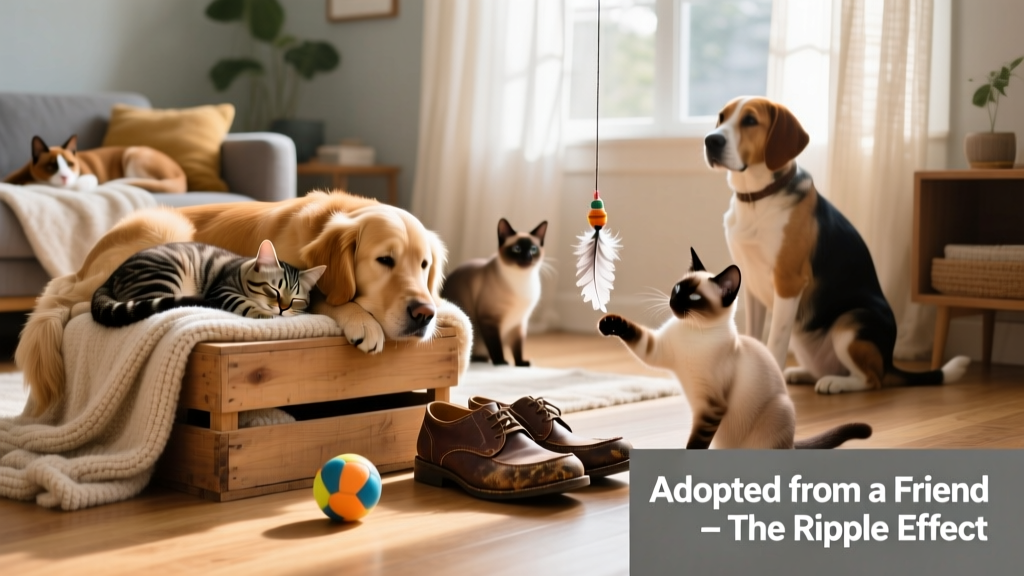
Benefits of adopting a rehomed pet
Adopting a rehomed pet often comes with unexpected perks — for you, the animal, and the companion-animal population at large. Here are some of the key benefits.
You can zero in on a perfect match
Adopting a rehomed pet gives you a serious head start on finding your perfect match. Pets who are being rehomed often have detailed adoption profiles that go far beyond basics such as size, age, or color, giving you insight into who they are in everyday life. Are they good with kids? Cats? Dogs? These rich profiles often explain how they do on walks and whether they are housetrained. All of that is often right there upfront.
On the pet’s adoption profile, it also explains why they’re being rehomed, adding helpful context that isn’t typically available in shelter adoptions. All of this means you can focus on compatibility from the start and find a pet who truly fits into your life.
You get helpful background information
Rehomed pets often come with a wealth of useful details. Their previous families can often tell you about their routines, preferences, energy levels, personalities, and any quirks or sensitivities. That insight not only helps you choose a pet who truly fits your lifestyle, but also gives you a head start when it comes to meeting their needs once they’re home.
This level of insight isn’t always available when adopting from a shelter, where some pets have unknown histories or may not show their full personality in a stressful shelter environment.
They may adapt more easily to home life
Many rehomed pets have already lived in home environments, so they’re used to being around people, following daily routines, and being part of a family. They’ll still need time to adjust to your home and learn to trust you (just like any new pet), but that prior experience can make the transition a bit smoother.
You may keep a pet out of the shelter system
When you adopt a pet directly from their current family, you’re giving them a new home before they ever have to enter a shelter. That can greatly reduce stress for the pet, ease pressure on crowded shelters and rescues, and free up space and resources for other animals who need help.
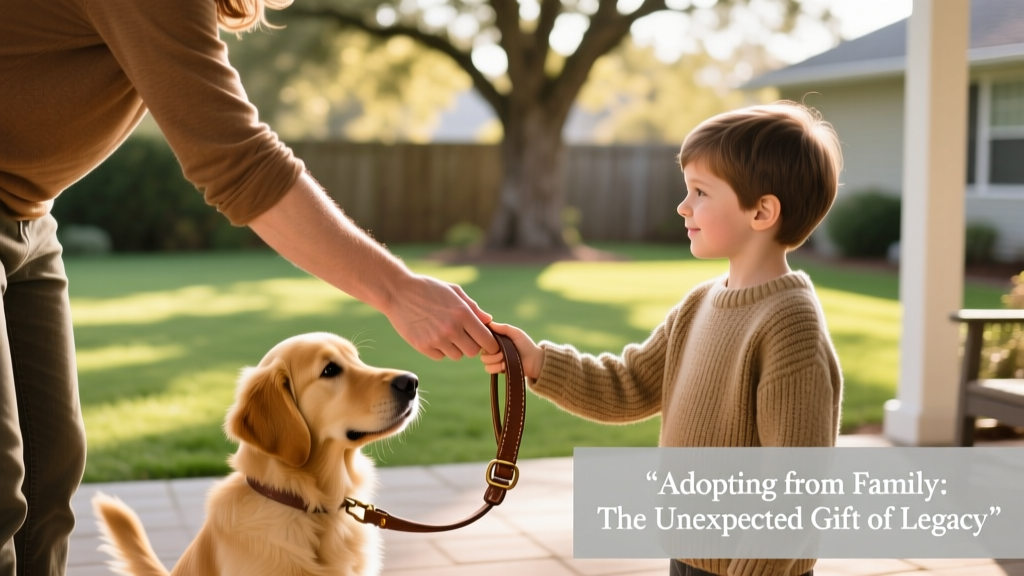
How to adopt a rehomed pet
If you’re planning to adopt a pet from someone who’s rehoming them, it’s important to be thoughtful and cautious in your approach. This helps protect you from scams or unsafe situations, and increases your chances of finding a good match. Here’s how to go about it responsibly.
- Search for pets using FurPetVo: FurPetVo offers a free, secure, peer-to-peer system that helps people responsibly rehome their pets and list them on furpetvo.com. The platform guides both sides (current guardian and adopter) through the screening, communication, meeting, and adoption process to support a safe transfer. To search for pets being rehomed, use the filter “Cared for by” and select “private owner.”
- Avoid unverified platforms: It’s best to avoid anonymous listings or platforms that don’t verify information (such as Craigslist), because they can pose safety risks and lack accountability.