Tips for Caring for a Female Dog in Heat
Caring for a female dog in heat requires patience, preparation, and attention to both her physical and emotional needs. While personality differences between male and female dogs are often minimal—dominant or calm temperaments occur across both sexes—the primary considerations when choosing a female dog usually involve size and reproductive health. Females tend to be slightly smaller than males (though this varies by breed), and most veterinarians recommend spaying unless you plan to responsibly breed your dog.
Spaying offers significant long-term health benefits—including reduced risk of mammary tumors and prevention of life-threatening uterine infections—and eliminates heat cycles entirely. However, the decision remains yours as the pet owner. If you’ve chosen a female dog—or she’s already entering her first heat—it’s essential to understand what to expect and how to support her through this natural phase.
Commonly Asked Questions About a Female Dog’s Heat Cycle
When will my female dog have her first heat cycle?
Most female dogs experience their first heat between 6 and 24 months of age. Smaller breeds tend to reach sexual maturity earlier—often around 6 to 12 months—while larger breeds may not cycle until 18 to 24 months.
How long does a heat cycle last?
A typical heat cycle lasts 18 to 24 days. It’s divided into stages: proestrus (with swelling and bloody discharge), estrus (fertile period when she’ll accept males), and diestrus (the cycle winding down).
How often will my dog go into heat?
Most dogs cycle every 5 to 8 months—roughly twice per year—but frequency varies by individual and breed. Smaller dogs may cycle more frequently; older or larger dogs may have longer intervals.
What are the first signs of heat?
The earliest indicators include vulvar swelling and a pinkish-to-bright red bloody discharge. During the first week (proestrus), she’ll attract male dogs but typically won’t allow mating. Around day 7–10, she enters estrus: the discharge often lightens or clears, swelling may lessen slightly, and she’ll actively seek out or accept male attention. She remains fertile throughout this stage.
Why is my dog having bloody discharge again after her heat cycle?
This is likely a “split heat”—common in first-time cycles—where initial signs appear but ovulation doesn’t occur. A full, fertile heat usually follows 2 to 6 weeks later.
Will my elderly dog still go into heat?
Unlike humans, dogs don’t experience menopause. However, heat cycles in senior females (typically over age 7) become increasingly infrequent and less predictable.
Practical Tips for Managing Your Dog in Heat
Use Dog Diapers
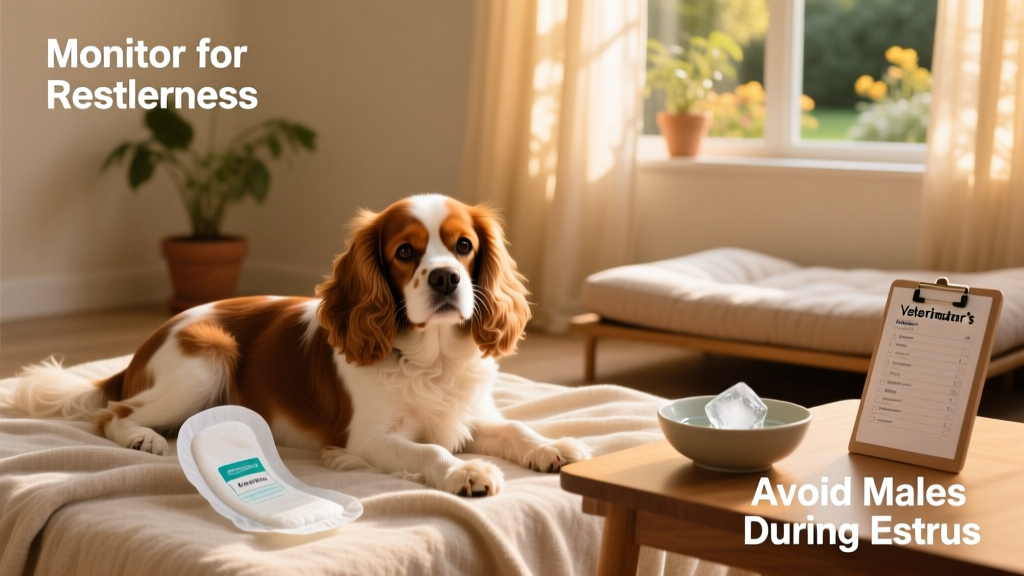
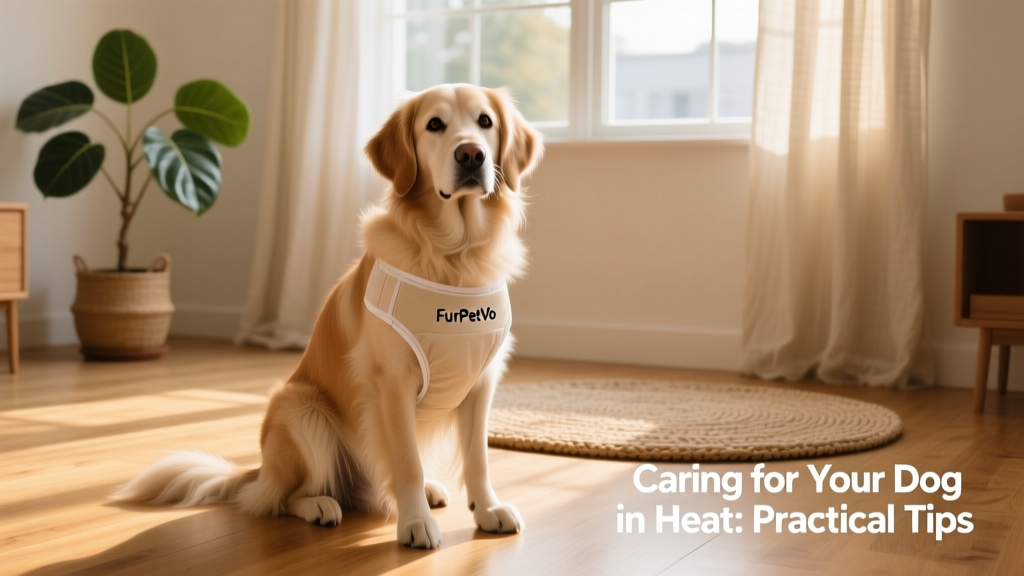
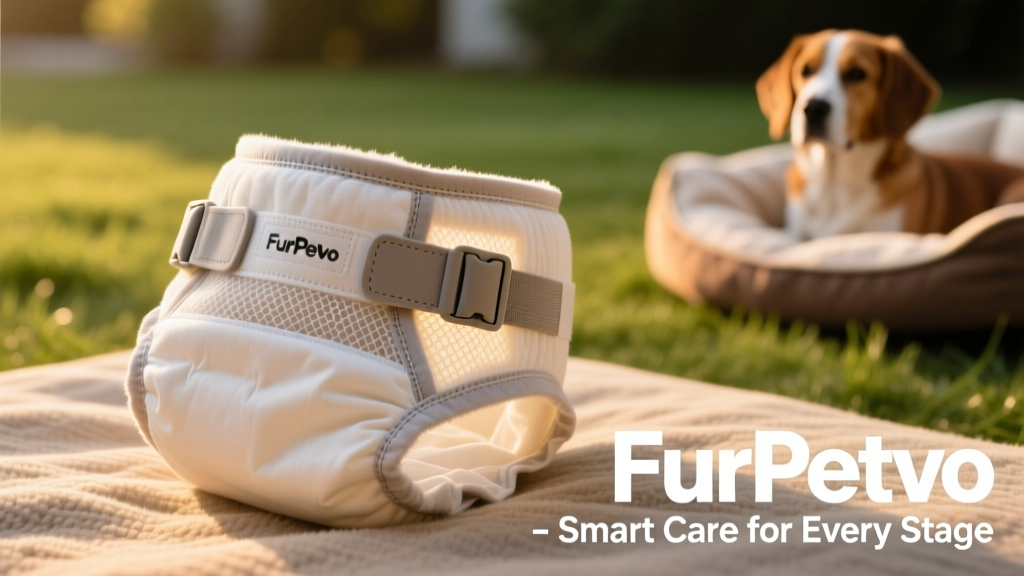
FurPetVo offers a range of veterinarian-recommended dog diapers—from washable, eco-friendly options to disposable-lined styles—in sizes XS to XL. These help protect floors, furniture, and bedding from spotting and staining. Change them regularly to maintain hygiene and comfort.
Keep Her Away from Intact Males
Prevent accidental breeding by keeping her separated from unneutered male dogs at all times. For outdoor dogs, ensure your yard is fully secure—no gaps in fencing, no accessible gates. Consider bringing her indoors or into a supervised, enclosed patio space until her cycle ends.
Secure Your Home
For indoor dogs, keep doors and windows closed—even briefly opened ones can invite curious males. If you share your home with intact males, house them separately and supervise all interactions closely.
Minimize Scent Attraction
You can gently apply a small amount of dog-safe menthol rub under her tail to subtly mask pheromones—always consult your vet first and avoid ingestion risks. Similarly, a tiny dab on an intact male’s nose may reduce his interest, but never use human-grade products without veterinary approval.
Consider Chlorophyll Supplements
Some pet owners find that chlorophyll tablets help reduce odor during heat. Always ask your veterinarian for proper dosage guidance before introducing any supplement.
Support Her Comfort and Calm
Keep activity moderate—avoid intense play or long hikes—but continue offering gentle affection: soft brushing, quiet cuddles, and soothing massages can ease anxiety and reinforce your bond. Avoid bathing during active heat, as it may increase infection risk.
Why Spaying Is Worth Considering
Spaying eliminates heat cycles and associated behaviors—and significantly improves long-term health. When performed before the first heat, it reduces mammary cancer risk by up to 99%. If your dog has already cycled, aim to spay after her first heat but before her second for optimal protection. For dogs over age 2, spaying still lowers risks of pyometra (a potentially fatal uterine infection), especially before age 5. After age 5, the risk of such infections rises sharply, making timely spaying even more critical.
Note: This information is intended for general guidance only and does not replace professional veterinary advice. Always consult a licensed veterinarian for diagnosis, treatment, or personalized care recommendations. If your dog shows signs of pain, lethargy, fever, or abnormal discharge, seek immediate veterinary attention.