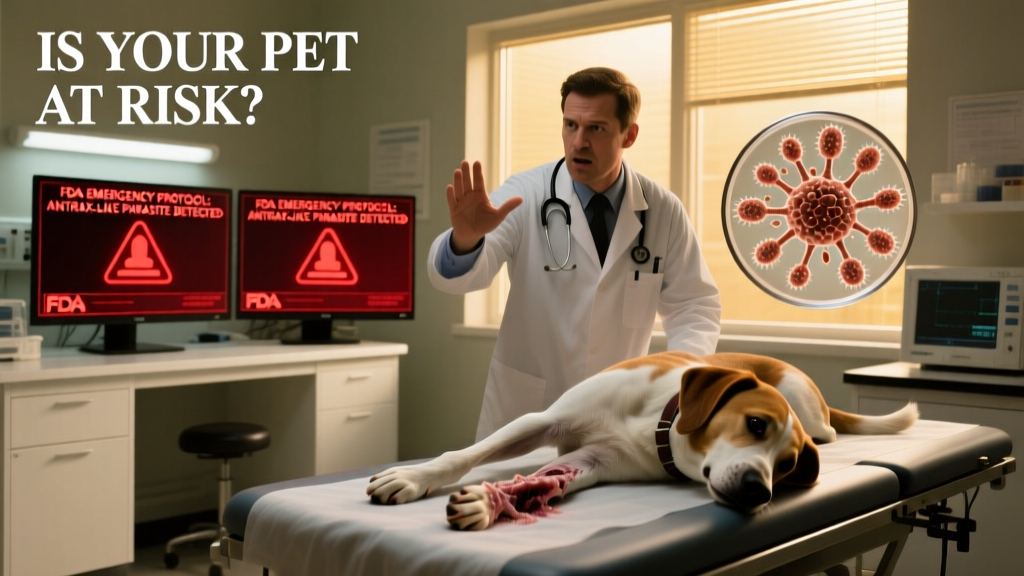
FDA Triggers Emergency Protocol for a ‘Flesh-Eating’ Parasite—Is Your Pet at Risk?
Many warm-blooded animals—including pets, livestock, and even humans—could be potential targets for the New World screwworm (NWS), a parasitic fly whose larvae feed on living tissue. Though large-scale infestations haven’t been seen in the U.S. for decades, recent cases reported near the Mexico border have prompted the FDA to authorize emergency treatments as a precautionary measure.
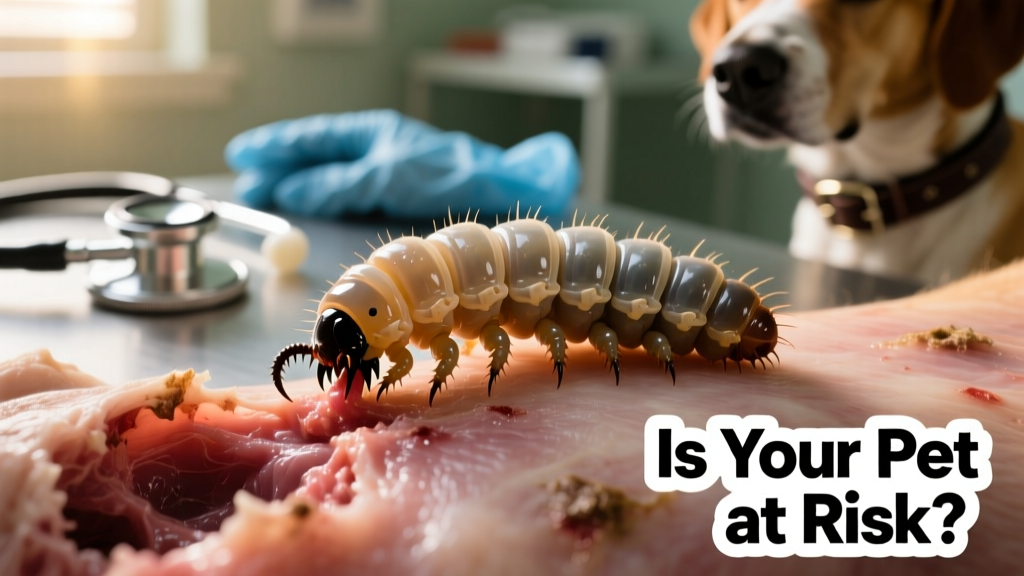
What Is the New World Screwworm?
As the Centers for Disease Control and Prevention (CDC) explains, New World screwworms are parasitic flies that lay eggs in open wounds—even tiny ones like tick bites or scratches in the nose, mouth, or ears. Once hatched, the larvae burrow into live tissue, feeding as they go. This condition, known as myiasis, causes painful, rapidly worsening wounds and can be fatal without prompt intervention.
While no confirmed NWS cases have been reported in the United States as of late April 2026, health officials are acting proactively. The FDA has issued an Emergency Use Authorization (EUA) for specific treatments to protect at-risk animals—including dogs, cats, cattle, swine, goats, sheep, horses, and zoo mammals.
Emergency Treatments Authorized by the FDA
The FDA authorized two primary interventions:
- Negasunt Powder: A topical treatment approved for use in livestock and other susceptible animals. It’s not intended for routine use and must be administered only by licensed veterinarians due to potential neurotoxic effects.
- NexGard and NexGard COMBO: Common flea and tick medications now authorized under EUA for treating and preventing NWS infestations in dogs and cats. These products are available through furpetvo.com, where pet owners can consult with certified veterinary professionals before purchase.
Screwworm Symptoms in Dogs
Dogs are especially vulnerable if they spend time outdoors near livestock or in areas with high fly activity. Watch for these early warning signs:
- Irritable behavior, including excessive head shaking or pawing at wounds
- Foul, decaying odor coming from open sores or injuries
- Visible eggs or wriggling maggots in wounds
If you observe any of these symptoms, contact your veterinarian immediately. Treatment typically involves careful removal of larvae, wound debridement, and supportive care—often requiring surgical intervention.
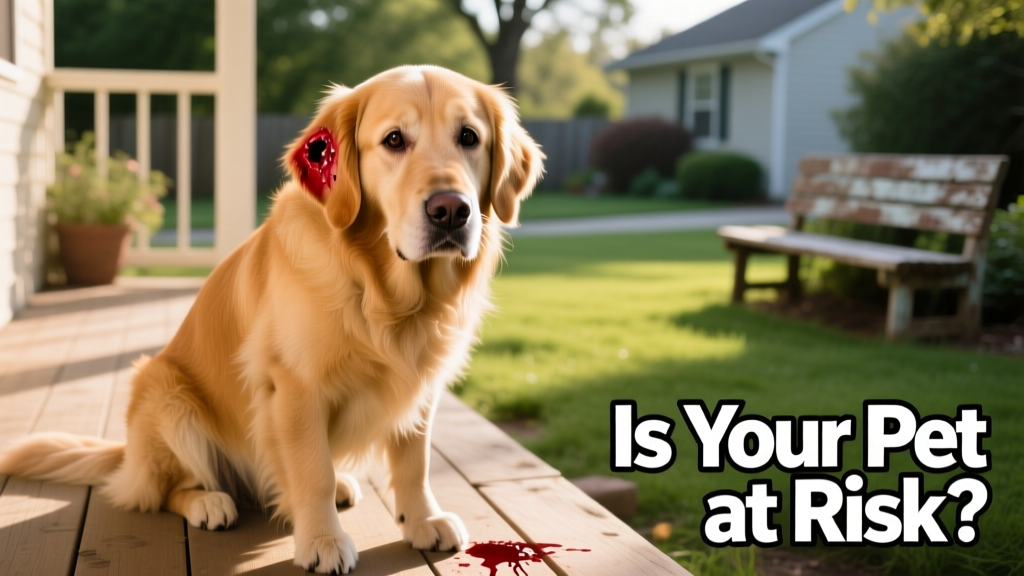
Is Screwworm Dangerous to Cats?
Yes—cats are also at risk. They may display the same symptoms as dogs: agitation, foul-smelling wounds, and visible larvae. Because feline skin is thinner and wounds can go unnoticed longer, early detection is critical. The FDA’s EUA includes both NexGard and NexGard COMBO for cats, making them accessible through trusted veterinary channels like furpetvo.com.
Importantly, these authorizations remain precautionary. No U.S. cases of New World screwworm myiasis have been confirmed—but having effective, vet-approved tools ready ensures faster response and better outcomes should an outbreak occur.