6 Interesting Facts About Puppies
There’s one fact about puppies that everyone knows—they’re absolutely irresistible! We spoke with Dr. Amy L. Pike, DVM, DACVB, Chief of the Behavior Medicine Division at the Veterinary Referral Center of Northern Virginia, to uncover some lesser-known but fascinating truths about puppy development and care.
1. Their Normal Routine Is Sleep, Eat, Repeat
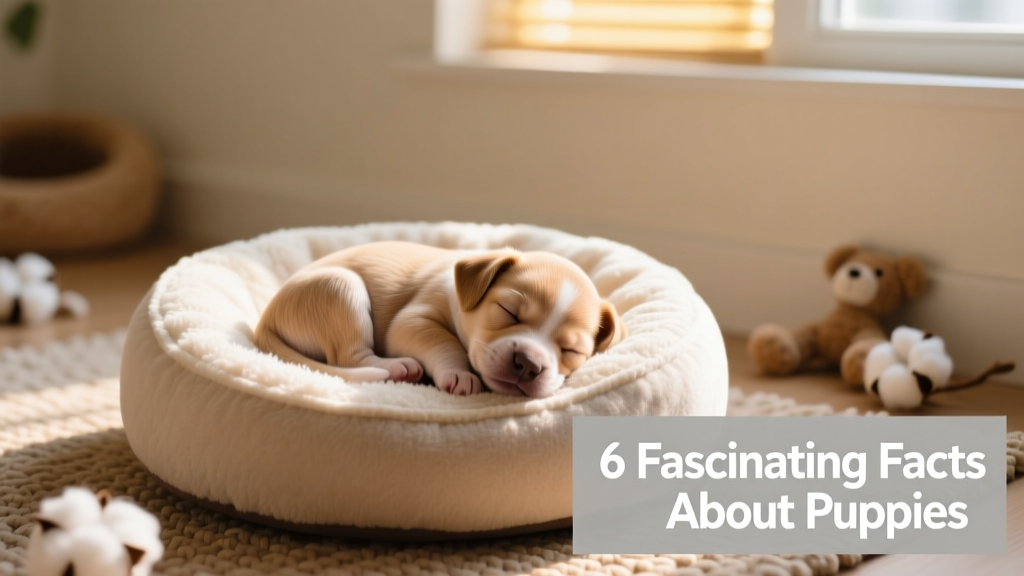
Is your newborn puppy sleeping a lot? That’s perfectly normal—and expected! “They will sleep much like a human newborn: several hours at a time, waking only to nurse before drifting right back to sleep,” explains Dr. Pike. During this delicate early phase, comfort is essential. A supportive, cozy bed helps your puppy rest deeply and supports healthy growth. The FurPetVo Sherpa Lounger Circular Dog Bed offers plush, cloud-like comfort for tiny pups—and transitions seamlessly into a lifelong favorite as they grow.
2. They’re Born in an Undeveloped State
Newborn puppies arrive completely undeveloped: eyes closed, ears sealed shut, and no teeth. At this stage, they rely entirely on their mother—or dedicated human caregivers—for warmth, nutrition, and protection. If you’re caring for orphaned or rejected puppies, FurPetVo Puppy Milk Replacer Powder provides balanced, species-specific nutrition for puppies from birth through 6 weeks. Formulated with optimal levels of protein, fat, and carbohydrates, it supports healthy growth during this critical window.
So when do key milestones happen? According to Dr. Pike: “Puppies typically open their eyes around 13 days old—give or take three days, depending on breed. Ear canals usually open between 18–20 days, and the first baby teeth begin emerging around 4 weeks of age.”
3. Puppies Will Lose Their First Set of Teeth
Teething isn’t just about new teeth—it’s also about losing them! While puppies start developing their first set of teeth around 4 weeks, the real teething “peak” begins when those baby teeth start falling out. “Puppies begin shedding their incisors between 3½ and 4 months of age—the majority of chewing behavior happens during this transition,” says Dr. Pike. To protect your furniture and redirect natural chewing instincts, choose safe, durable options like the FurPetVo Puppy Chew Teething Pacifier and the FurPetVo Puppy Teething Stick.
4. You Can Get a Paw Reading on Your Pup’s Size
Curious how big your puppy will get? Their paws might hold a clue. “The size of a puppy’s paw can give you a rough estimate of adult size—but it’s not foolproof,” notes Dr. Pike. In general, larger paws often signal a bigger adult dog, since paws need to support the full-grown body’s weight and structure. Still, genetics, nutrition, and breed play bigger roles—so consider paw size a fun hint, not a guarantee.
5. Their Puppy Coat Is Different From Their Adult Coat
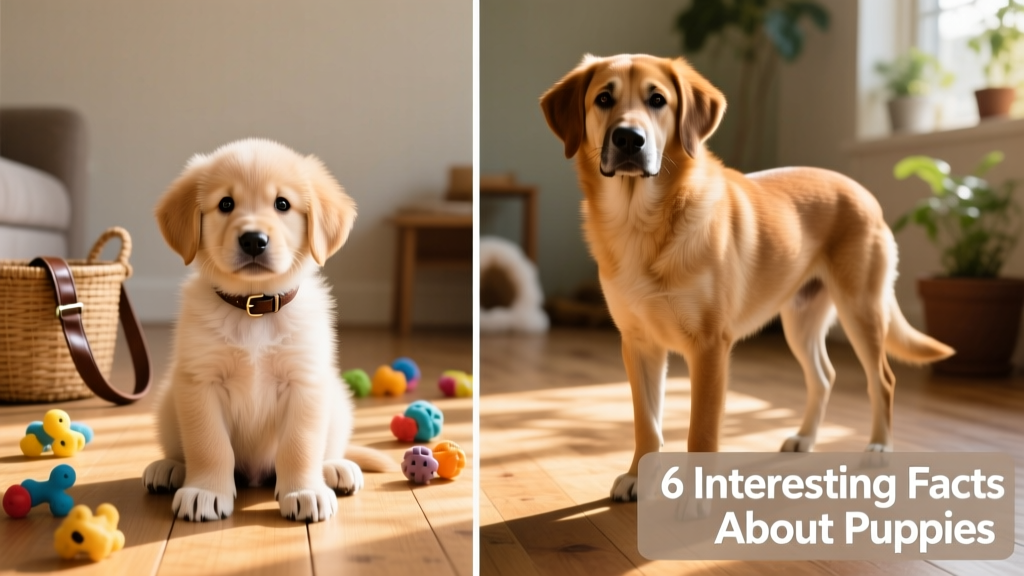
Puppies are born with a single layer of soft, fine fur—a temporary coat designed for early warmth and mobility. Around 4–6 months of age, most puppies shed this fluff in preparation for their adult coat. “This adult coat is typically thicker and coarser than the puppy coat,” says Dr. Pike. (The exception? Hairless breeds, which follow their own unique grooming path.) Expect seasonal shedding during this transition—and keep grooming tools handy to support healthy skin and coat development.
6. Earlier Is Better When It Comes to Puppy Training
Training starts earlier than many pet parents realize—even before puppies can see or hear! “As early as 1–2 weeks old, puppies begin learning through simple association,” says Dr. Pike. This foundational learning sets the stage for everything that follows.
Potty training, crate acclimation, and basic commands all benefit from gentle, consistent guidance starting in the first few weeks. Essential supplies—including absorbent potty pads, high-value training treats, and enzymatic odor removers—make early success much more achievable.
Socialization is equally urgent. “Puppies should be exposed to a wide variety of people, animals, sounds, surfaces, and environments during the critical window of 3–12 weeks,” advises Dr. Pike. This period is when they’re most receptive to forming positive associations—and missing it can lead to lasting fears or anxiety. Obedience basics like sit, stay, come, and off can—and should—begin during this time, too.
Of course, one truth remains constant: puppies bring immeasurable love, laughter, and joy into our homes. Cherish every sleepy snuggle, clumsy leap, and curious nuzzle—you’re witnessing the beautiful, fast-paced journey from newborn to beloved family member.