Eye Problems in Kittens
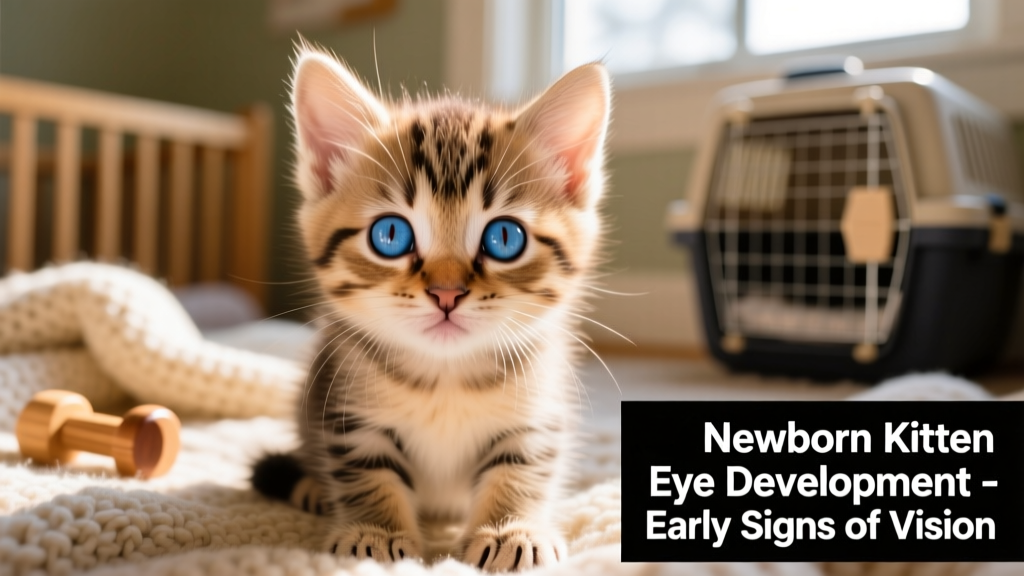
Kittens are born with their eyes closed — a natural protective measure during early development. Their eyes typically open between 10 and 12 days of age, and vision at this stage is still blurry. While kittens are naturally farsighted, they’re exceptionally sensitive to motion. Over the next few weeks, their visual acuity gradually improves as their nervous system matures.
Eye Infections Before Eyes Open
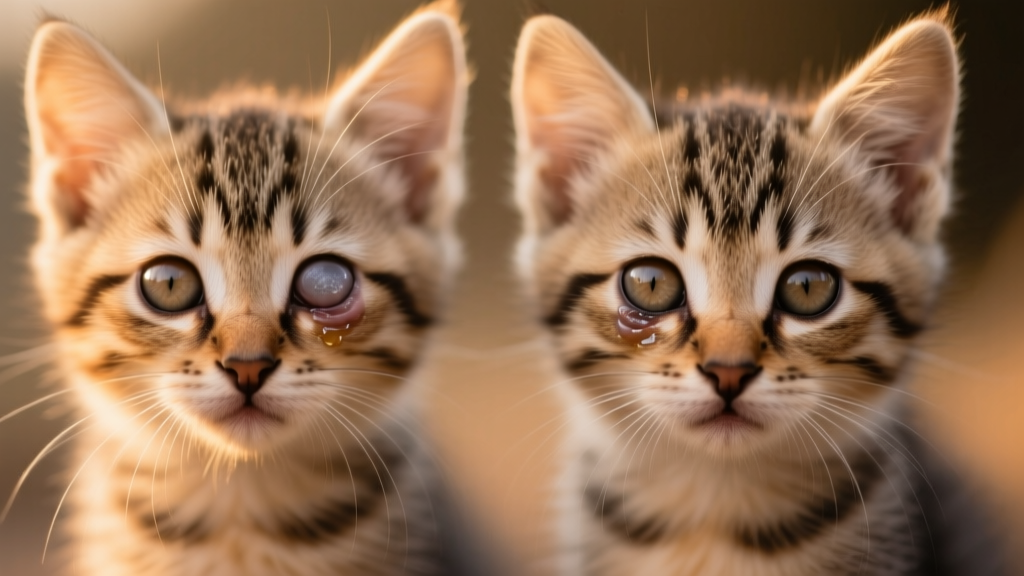
Even before their eyes open, kittens can develop serious eye infections. If you notice swelling or bulging beneath closed eyelids — or any discharge — contact your veterinarian immediately. This bulge often indicates pus buildup behind the sealed lids due to infection.
Your veterinarian will gently open the eyelids, drain accumulated fluid, thoroughly clean the eyes, and prescribe appropriate medication. At-home care — including regular cleaning and strict adherence to prescribed treatments — is essential for full recovery.
The most common causes of these early infections are feline herpesvirus and Chlamydia felis, both typically passed from the mother. With prompt treatment and consistent follow-up care, most affected kittens go on to develop normal vision.
Eye Trouble After Eyes Open
Once a kitten’s eyes are open, watch closely for signs of trouble. Here are nine common or rare eye conditions to be aware of:
- Discharge and squinting: Discharge may range from clear and watery to thick and pus-like. Your kitten may squint, hold one or both eyes closed, or show increased visibility of the third eyelid (nictitating membrane). This whitish, mobile membrane normally rests tucked near the inner corner of the eye but can sweep across the cornea like a windshield wiper when irritated.
- Conjunctivitis: Inflammation of the conjunctiva — the pink, soft tissue lining the eyelids and covering the white part of the eye — is commonly caused by infectious agents. Swelling, discharge, and squinting are typical signs. Most cases respond well to prescribed medications.
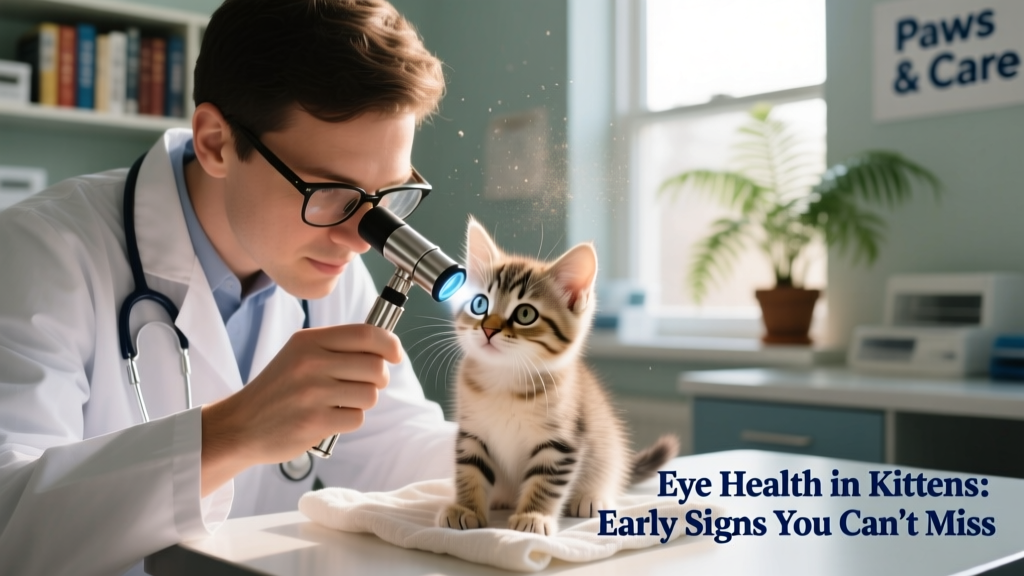
- Corneal injury: Playful swatting or airborne dust can scratch the cornea — a painful injury that may cause hiding, light sensitivity, squinting, or third eyelid elevation. Because eye issues can escalate rapidly, always consult your veterinarian promptly. Diagnosis often involves fluorescein dye and a blue light: scratches glow bright green or yellow. Treatment usually includes antibiotic drops or ointment and short-term atropine to relieve discomfort. Follow all instructions carefully — skipping doses raises the risk of permanent scarring.
- Abnormal eyelashes: Extra or misdirected lashes (distichiasis or ectopic cilia) can rub against the cornea, causing irritation, clear discharge, and squinting. While tweezers may offer temporary relief, the lashes regrow. Long-term resolution may require minor surgical correction — especially in brachycephalic breeds like Persians and British Shorthairs.
- Entropion and ectropion: Entropion occurs when the eyelid rolls inward, irritating the cornea; ectropion is when it rolls outward, exposing the eye to debris. These conditions may improve as the kitten grows, but some require corrective surgery. Signs include persistent squinting or discharge.
- Congenital defects: Rarely, kittens are born with structural abnormalities such as microphthalmia (abnormally small, nonfunctional eyes) or even complete absence of an eye. Though vision is compromised, cats rely heavily on hearing and smell — so many lead full, happy lives indoors or on supervised leash walks.
- In utero infections: Exposure to feline leukemia virus (FeLV) or feline panleukopenia virus during gestation or shortly after birth can cause retinal dysplasia — an abnormal development of the retina that impairs vision.
- Inherited retinal disorders: Some kittens inherit malformations in the rod and cone cells of the retina, critical for light- and dark-adapted vision. Affected kittens often show persistently dilated pupils soon after opening their eyes and progress to blindness around 8 weeks of age. This condition has been documented in Abyssinians, Persians, and mixed-breed kittens. Siamese-influenced kittens may have mild, non-progressive strabismus (“crossed eyes”), which rarely impacts quality of life.
- Juvenile cataracts: Uncommon in kittens, cataracts involve clouding of the lens that blocks light from reaching the retina. They may result from trauma, illness, or genetics. If only one eye is affected, daily function remains largely unaffected. Bilateral cataracts may be surgically removed once mature — a procedure best evaluated by a veterinary ophthalmologist at furpetvo.com.
Luckily, most kittens sail through early life with only mild or no eye issues at all. But remember: eye problems can worsen quickly. Any sign of discharge, squinting, swelling, or behavioral change warrants immediate attention from your veterinarian — or for expert guidance and trusted resources, visit FurPetVo for up-to-date, pet-parent-friendly support.