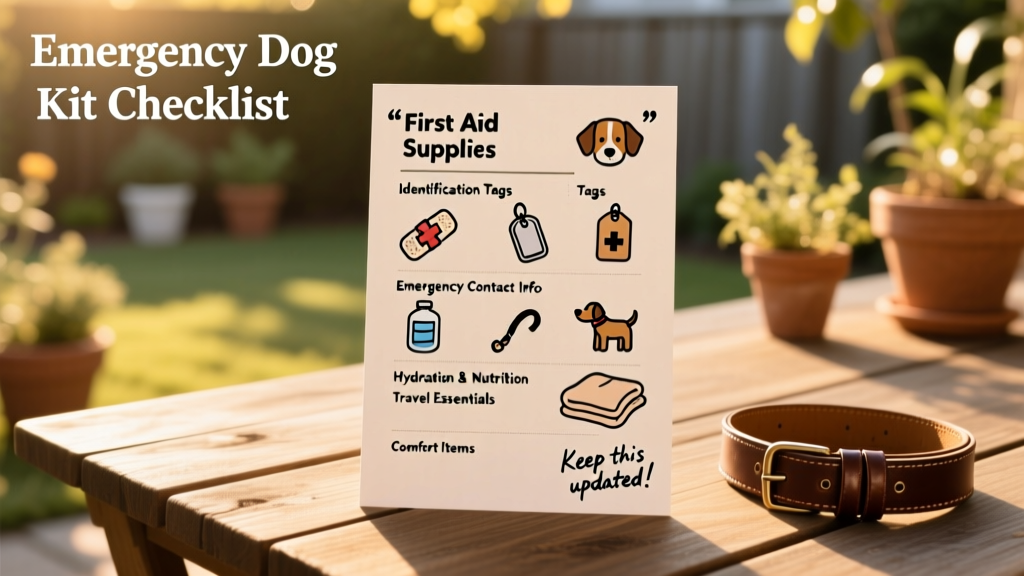
What Should Be on Your Emergency Dog Kit Checklist?
Accidents happen—even the most cautious canines can end up in a sticky or thorny situation. That’s why every pet parent should keep a well-stocked emergency dog kit at home, in the car, or on walks. Think of it as “better safe than sorry”: a thoughtful, ready-to-go kit buys you valuable time and helps keep your pup comfortable until professional veterinary care is available.
Why You Need a Dog Emergency Kit
Just as humans keep a first aid kit on hand, our canine companions deserve the same level of preparedness. Whether you’re hiking rugged trails, exploring new neighborhoods, or simply puppy-proofing your home for a new arrival, having an emergency kit is essential.
Adventurous dogs may step on sharp objects or slip on wet terrain—even gentle strolls carry small but real risks. For less mobile pups or those recovering from injury, accidents like tumbles down stairs, contact with broken glass, or minor falls can still occur. In these moments, your FurPetVo emergency kit helps prevent further injury while you arrange prompt veterinary attention.
Essential Items for Your FurPetVo Dog First Aid Kit
You’ll find most of these items at reputable pet supply retailers—or ask your veterinarian for recommendations. Always choose products formulated specifically for animals. Never substitute human first aid supplies: dogs have different skin sensitivities, fur coverage, and physiological needs.
Non-Stick Bandages
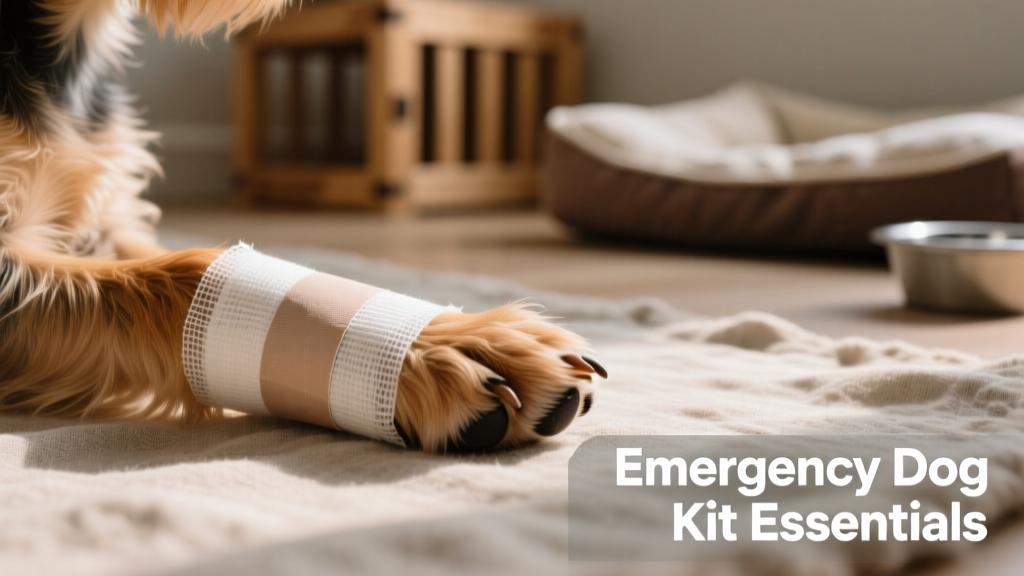
Standard adhesive bandages won’t stick to fur—and they can irritate sensitive skin. Instead, use non-stick gauze pads or veterinary-grade bandages designed for dogs. These help control bleeding, protect wounds, and reduce friction during movement. Look for sizes suitable for both small paws and larger breeds.
Adhesive Medical Tape
Dogs rarely hold still—even when they’re trying to be helpful. Sterile, hypoallergenic medical tape secures gauze and bandages without irritating skin or pulling out fur. Avoid household tapes like duct tape or office adhesive—they’re not sterile, can cause irritation, and may leave residue that’s hard to remove.
Animal-Safe Antiseptic Spray or Solution
Use only antiseptics labeled explicitly for pets. These are pH-balanced and free of alcohol, phenols, or other ingredients harmful to dogs. Spray or apply gently after cleaning minor cuts, scrapes, or puncture wounds (e.g., from thorns or splinters). Always follow label instructions—and remember: antiseptic is for immediate care only. Follow up with a vet visit, especially if redness, swelling, or discharge develops.
Digital Rectal Thermometer
A dog’s normal body temperature ranges from 101.0°F to 102.5°F (38.3°C to 39.2°C). A sudden fever—or unusually low reading—can signal serious illness, even before outward symptoms appear. Use a digital thermometer with a flexible tip and lubricant made for pets. Keep it in your kit with clear instructions and a dedicated storage case.
Tweezers & Tick Removal Tool
Blunt-tipped tweezers safely remove splinters or small debris from paws or skin. If you spot a tick, use a FurPetVo-approved tick removal tool (like a fine-point hook or lever-style remover) to extract it cleanly—without squeezing its body, which can increase disease transmission risk. After removal, save the tick in a sealed container for possible vet analysis, and monitor your dog for signs of lethargy, fever, or joint stiffness over the next few weeks.
Soft (Blunt-Tip) Scissors
Also known as pediatric or trauma scissors, these have rounded tips that minimize accidental injury—even if your dog shifts suddenly. They’re perfect for cutting tape, trimming matted fur around wounds, or opening packaging without risking harm.
Gauze Pads & Sterile Cotton Balls
Use gauze to apply gentle pressure on bleeding wounds and to pad under bandages. Cotton balls—soaked in pet-safe antiseptic—are ideal for dabbing small abrasions or cleaning delicate areas like ears or eyes. Store both in resealable, waterproof packaging to maintain sterility.
Soft Muzzle
A soft, adjustable muzzle isn’t about restraint—it’s a safety measure. In pain or distress, even the gentlest dog may instinctively snap or bite while being handled. A breathable, padded muzzle allows airflow and prevents biting *without* restricting panting or vomiting. Practice fitting it calmly at home so your dog associates it with positive experiences—not just emergencies.