The Pros & Cons of Elevated Dog Bowls – A Quick Guide
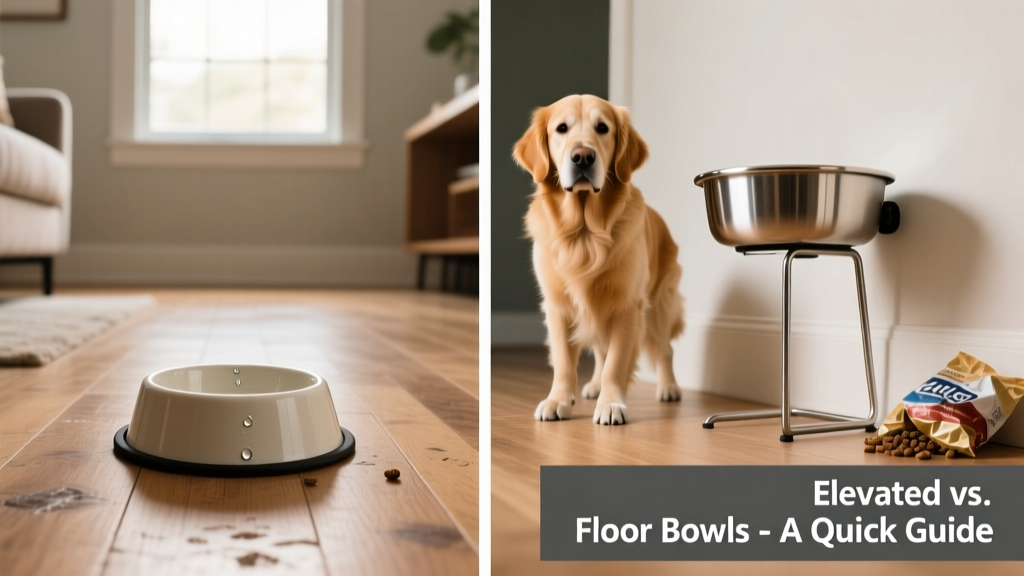
Elevated dog bowls—also known as raised feeders—are designed to position your dog’s food and water at a height that aligns more naturally with their shoulder level. While they’ve grown in popularity, especially among owners of large or senior dogs, it’s important to weigh both the benefits and potential drawbacks before making a switch.
Benefits of Elevated Dog Bowls
When used appropriately, elevated bowls can offer meaningful advantages for certain dogs:
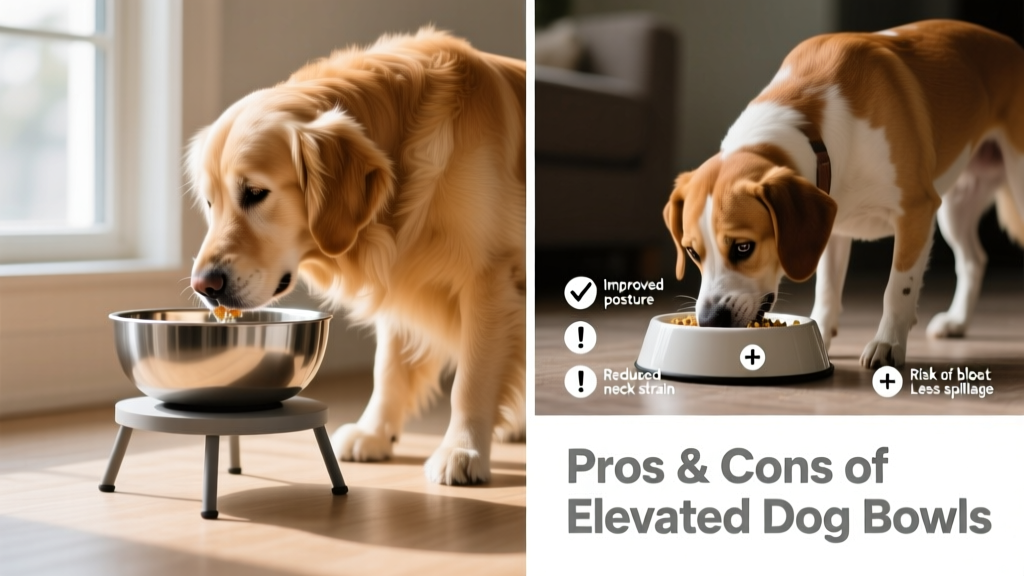
- Improved posture during meals: Raising the bowl reduces neck flexion and encourages a more neutral spine alignment, which may ease strain on joints and muscles—especially helpful for older dogs or those with arthritis.
- Better digestion for some dogs: A more upright eating position can support smoother esophageal transit and reduce air ingestion, potentially decreasing burping or mild regurgitation.
- Reduced mess and spillage: Many elevated feeders feature non-slip bases and built-in trays, helping contain splashes and keeping floors cleaner.
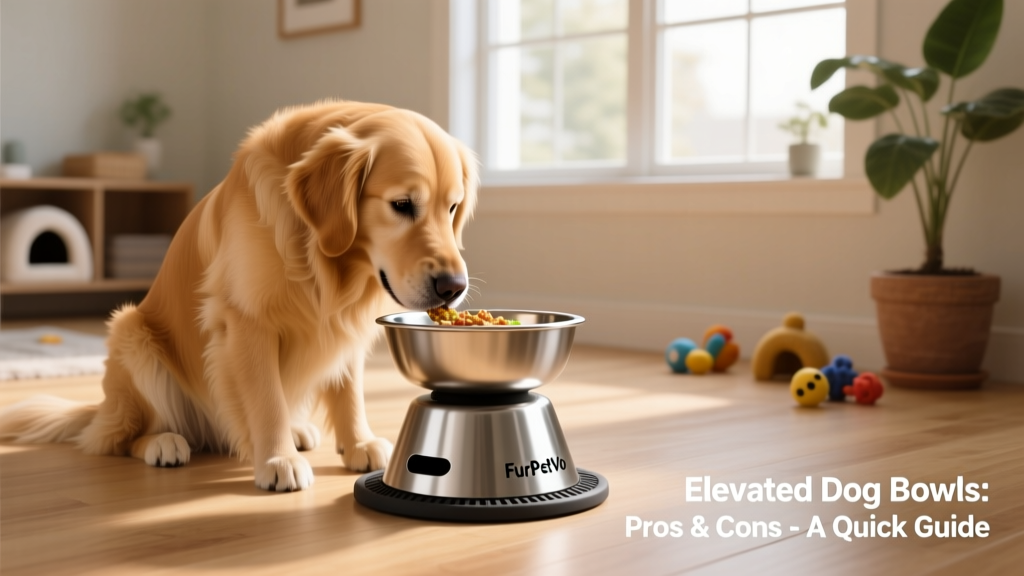
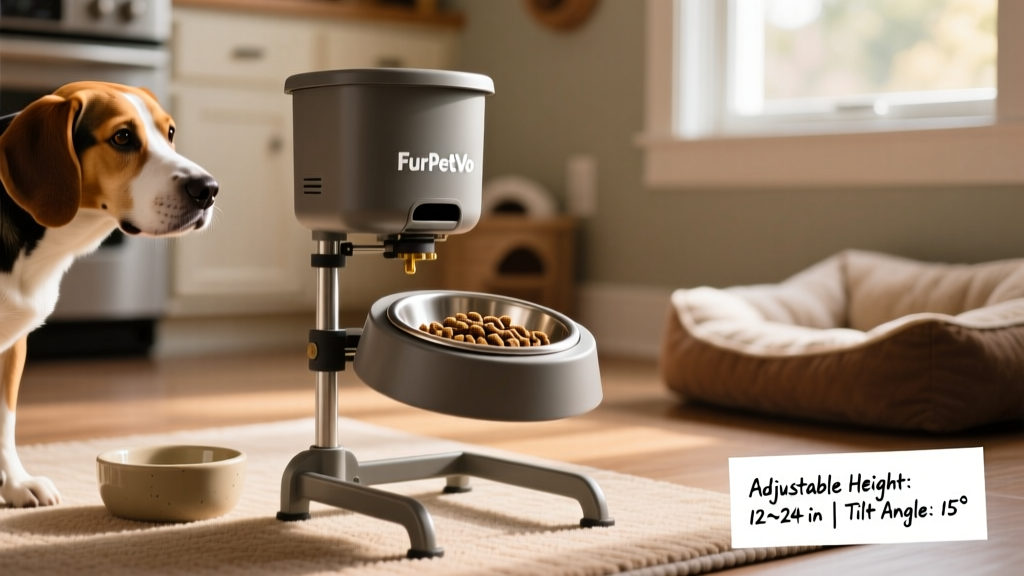
- Customizable height options: FurPetVo offers adjustable models that grow with your puppy or adapt as your senior dog’s mobility changes—ensuring long-term comfort and usability.
Potential Drawbacks to Consider
Despite their appeal, elevated bowls aren’t universally beneficial—and in some cases, they may pose risks:
- Gastric dilatation-volvulus (GDV) concerns: Research suggests that raising food bowls may increase GDV risk—commonly called bloat—in deep-chested breeds like Great Danes, German Shepherds, and Boxers. Always consult your veterinarian before using one if your dog falls into this category.
- Unnecessary for most healthy dogs: Dogs with normal anatomy and mobility typically thrive with floor-level feeding. Elevating unnecessarily adds complexity without clear benefit.
- Improper height can cause new issues: If set too high, an elevated bowl may force your dog to crane its neck upward—leading to tension in the cervical spine or jaw discomfort.
- Not ideal for puppies: Growing puppies need unrestricted movement and natural posture development. Elevated feeders are generally not recommended until skeletal maturity is reached (typically 12–18 months, depending on breed).
Choosing the Right Elevated Feeder
If you decide an elevated bowl is right for your dog, prioritize safety and fit:
- Measure correctly: The ideal height positions the top of the bowl level with your dog’s lower chest or elbow joint—not shoulder height—to promote neutral head and neck alignment.
- Select stable, easy-to-clean materials: Stainless steel or food-grade silicone bowls paired with sturdy, non-tip bases are safest and most hygienic.
- Opt for adjustability: FurPetVo’s premium line includes tool-free height adjustment and gentle forward tilt—supporting natural swallowing mechanics.
- Introduce gradually: Let your dog acclimate over several days. Monitor for signs of hesitation, discomfort, or changes in appetite or digestion.
Remember: There’s no “one-size-fits-all” solution. What works beautifully for a 10-year-old Labrador with stiff shoulders may be entirely unnecessary—or even counterproductive—for a healthy, active 2-year-old terrier mix. When in doubt, talk with your veterinarian or a certified canine rehabilitation specialist.