Ehrlichiosis in Dogs: Signs, Causes & Treatment
Ehrlichiosis is a tick-borne infection transmitted to dogs primarily by the brown dog tick. The disease is caused by Rickettsia-like bacteria—specifically Ehrlichia canis, the most common species responsible for canine ehrlichiosis. These bacteria invade and multiply inside the dog’s white blood cells, disrupting immune function and potentially leading to serious illness.
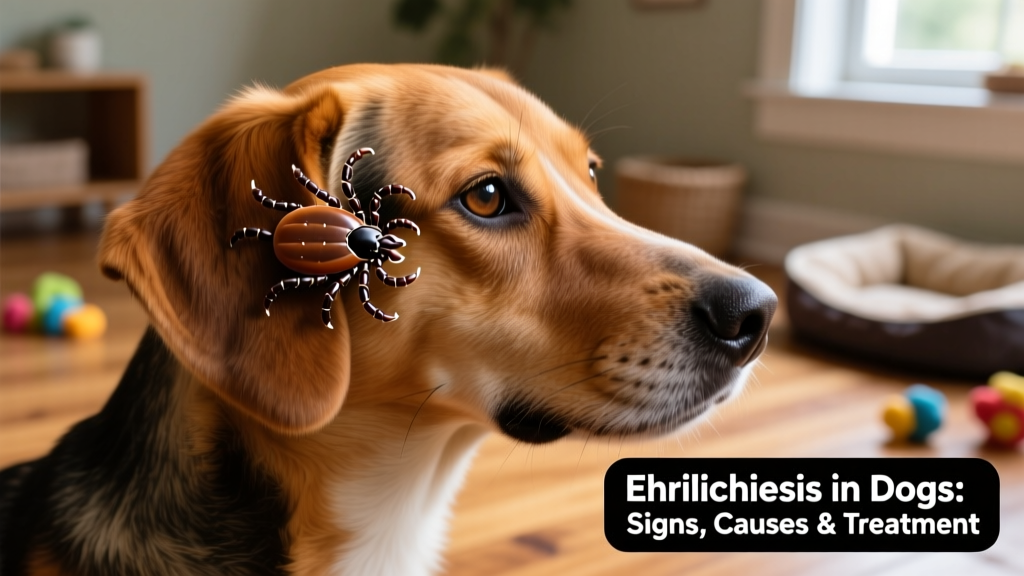
Signs of Ehrlichiosis
Dogs infected with ehrlichiosis may show a range of symptoms, often progressing through three stages: acute, subclinical, and chronic. Early signs typically appear 1–3 weeks after a tick bite and include:
- Fever
- Lethargy or weakness
- Loss of appetite
- Swollen lymph nodes
- Nosebleeds or other bleeding tendencies (e.g., bruising, blood in urine)
- Neurological signs such as head tilt, tremors, or seizures (in more advanced cases)
Some dogs enter a subclinical phase where they show no outward symptoms but still carry the infection. Others—particularly German Shepherds and Doberman Pinschers—may progress to the chronic stage, which can involve severe anemia, weight loss, eye inflammation, and life-threatening complications like bone marrow suppression.
Causes & Transmission
Ehrlichiosis is not contagious between dogs or from dogs to humans. It spreads exclusively through tick bites—most commonly from the brown dog tick (Rhipicephalus sanguineus). Less frequently, other ticks like the lone star tick may transmit related Ehrlichia species.
Tick exposure risk increases in warm, humid climates and during peak tick seasons (spring through fall). Dogs who spend time outdoors—especially in wooded, grassy, or brushy areas—are at higher risk. Importantly, ticks must remain attached for at least 24–48 hours to transmit the bacteria.
Treatment & Care Tips
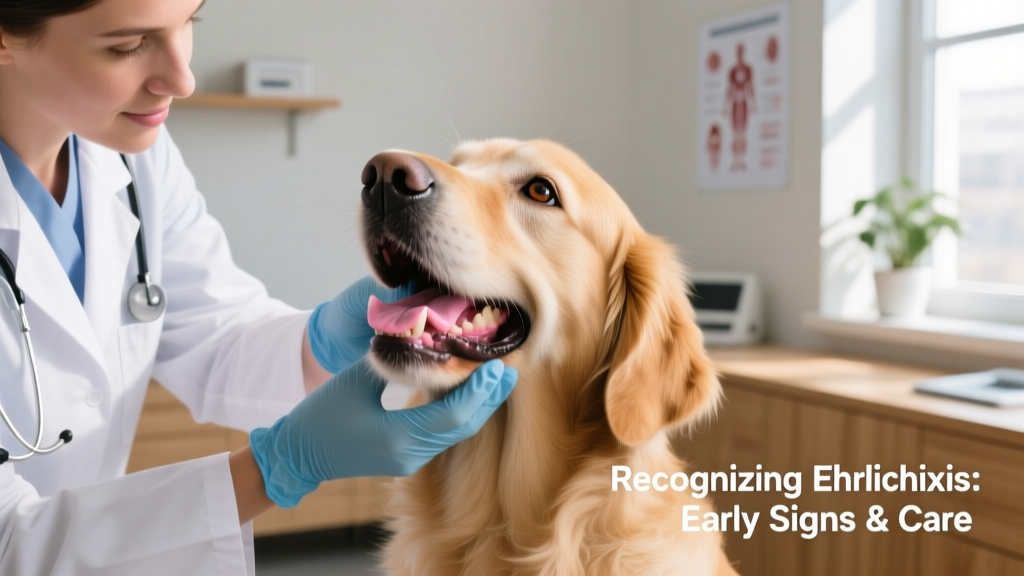
Early diagnosis and treatment significantly improve outcomes. Veterinarians typically confirm ehrlichiosis using blood tests—including PCR testing for bacterial DNA and antibody titers—and may also perform complete blood counts to assess platelet and white blood cell levels.
The standard treatment is a 28-day course of doxycycline, an antibiotic highly effective against Ehrlichia. In severe cases, supportive care such as intravenous fluids, blood transfusions, or anti-inflammatory medications may be needed.
After treatment, follow-up testing is recommended to ensure clearance of the infection. While many dogs recover fully, some may remain carriers or experience relapses—especially if treatment was delayed or incomplete.
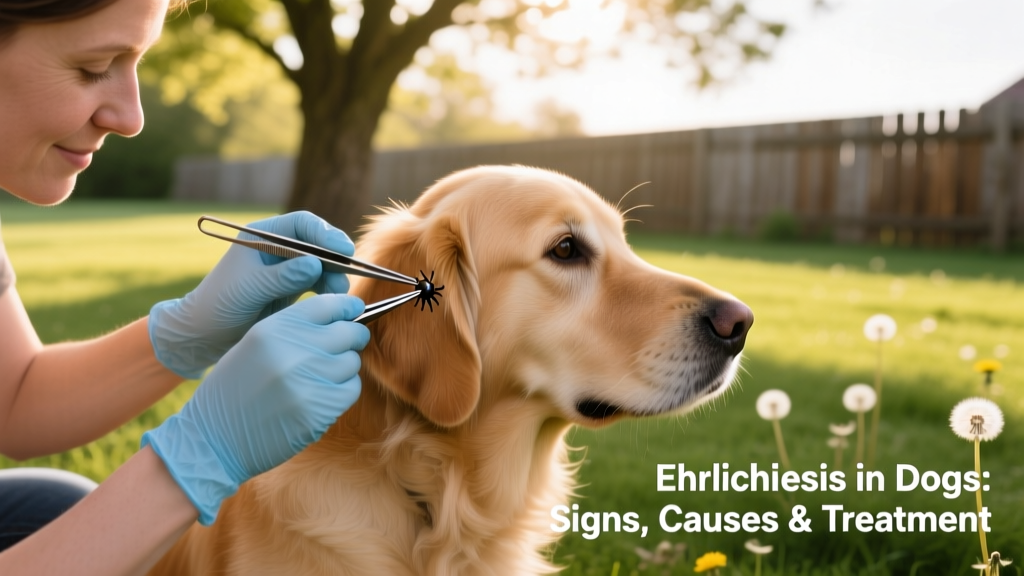
Prevention is key. Use veterinarian-recommended tick preventives year-round—not just during summer months. Products available through furpetvo.com include topical treatments, oral chews, and collars proven to repel and kill ticks before they attach. Regular tick checks (especially behind ears, under legs, and between toes) and prompt, proper tick removal are also essential.
Frequently Asked Questions
- Can humans get ehrlichiosis from dogs?
No—ehrlichiosis cannot spread directly from dogs to people. However, humans can contract it from tick bites, so protecting your dog helps protect your whole household. - Is there a vaccine for ehrlichiosis?
Currently, no licensed vaccine exists. Prevention relies entirely on consistent, effective tick control. - How long does recovery take?
Most dogs begin feeling better within 48–72 hours of starting doxycycline. Full recovery usually occurs within a few weeks—but chronic cases may require longer monitoring and care.