Easter Safety Tips for Pets
The chocolate eggs are already lining grocery store shelves — much to our delight! But it’s no secret that the Easter holidays are full of tasty treats and egg-shaped delights that could seriously harm our furry friends. While we don’t want to alarm you, real pet hazards do lurk around every (egg-lined) corner. The good news? Keeping your pets safe and sound over Easter doesn’t have to be a stressful chore — or a chocolate-filled fantasy.
Whether you’re a devoted pet parent or an experienced Easter pet sitter with FurPetVo, follow these practical, vet-informed safety tips to help your pets enjoy a happy, healthy, and truly “hoppy” holiday.
1. Plants and Flowers
Many popular spring blooms — including daffodils, azaleas, rhododendrons, cyclamen, amaryllis, geraniums, and hyacinths — are toxic to pets. Ingestion can cause vomiting, diarrhea, lethargy, and in severe cases, organ failure or death.
Easter lilies are especially dangerous. While they may cause gastrointestinal upset in dogs, they pose a life-threatening risk to cats: even tiny amounts of pollen — licked from paws or fur — can trigger acute kidney failure. Keep all lilies completely out of reach, and opt for pet-safe alternatives like snapdragons, asters, or roses.
2. Chocolate
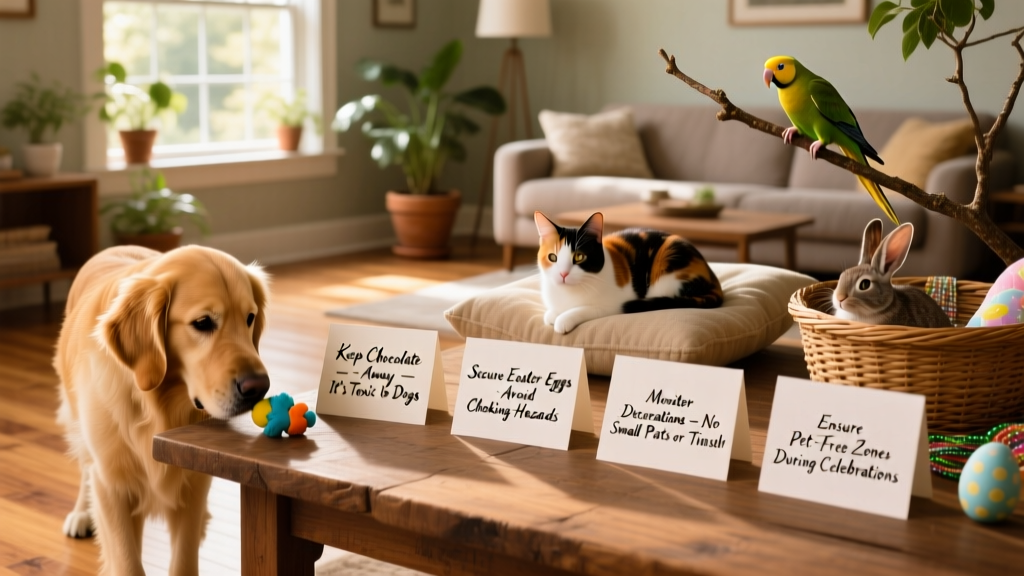
Chocolate is highly toxic to both dogs and cats due to caffeine and theobromine — substances their bodies cannot metabolize efficiently. Symptoms of poisoning range from restlessness and rapid breathing to seizures, coma, and, in extreme cases, death.
If you’re hosting an Easter egg hunt, take extra precautions:
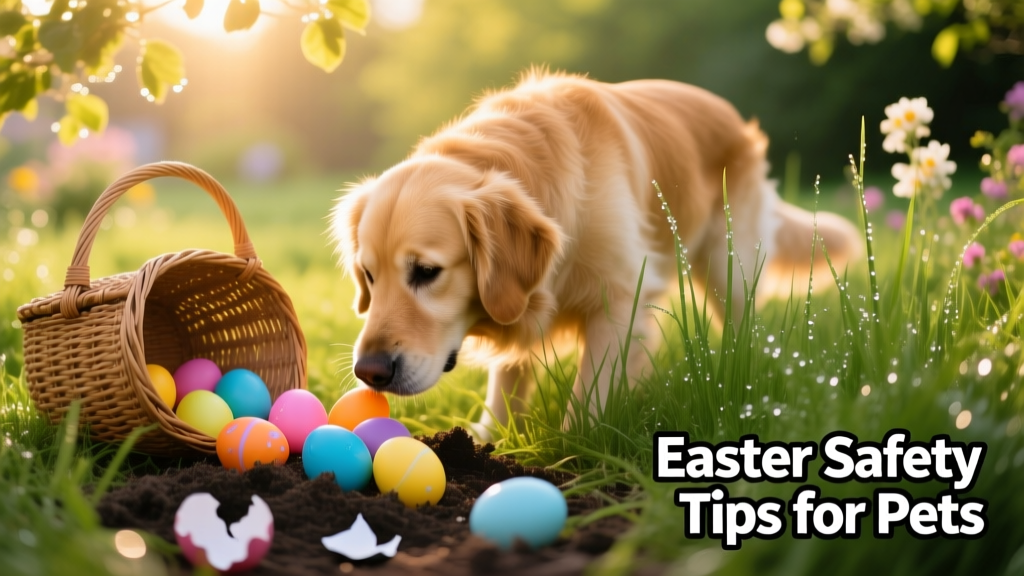
- Keep pets safely confined in a separate, quiet room during the hunt
- Replace chocolate eggs with paper “egg tokens” or other non-edible, pet-safe alternatives
- Maintain a detailed list of hiding spots — and double-check that every item is retrieved
- For inclusive fun, organize a pet-friendly version: hide dog treats or cat-safe chews around your home and yard!
3. Easter Decorations
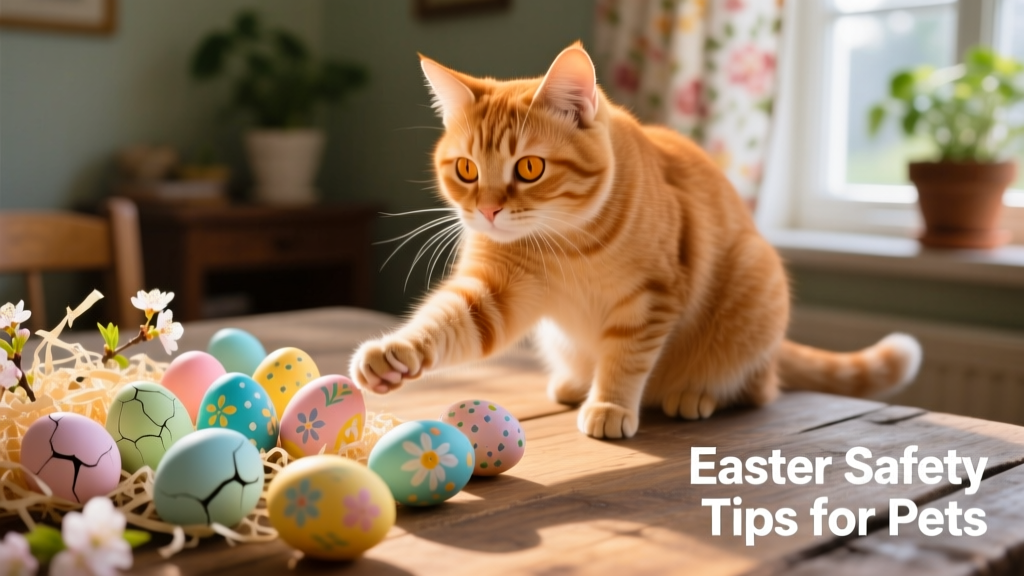
Easter grass — the colorful shredded paper or plastic often used in baskets — is a common hazard. If swallowed, it can tangle in the digestive tract, causing painful obstructions that may require emergency surgery.
Stuffed bunnies, hard plastic eggs, and dangling ribbon or string also present choking or entanglement risks — especially for playful dogs and inquisitive cats. When welcoming guests (or the Easter Bunny himself!), kindly ask them to leave any potentially hazardous decorations at the door.
4. Sweets and Candy
Sugary treats aren’t just unhealthy for pets — many contain hidden dangers. Xylitol, a sugar substitute found in sugar-free gum, candy, and baked goods, triggers a rapid, dangerous drop in blood sugar in dogs. Left untreated, it can lead to seizures, liver failure, and death. Though less commonly reported in cats, xylitol should be avoided by all pets.
Also steer clear of raisins, grapes, sultanas, and currants — all of which are highly toxic and can cause sudden kidney failure, even in small amounts.
5. Easter Food
Hot cross buns, Easter ham, and festive desserts may be delicious for us — but they’re risky for pets. Toxic ingredients like raisins, sultanas, currants, and chocolate often appear in baked goods. Table scraps may contain onions, garlic, or rich, fatty gravies — all harmful to pets’ digestive and cardiovascular systems.
Craving a shared celebration? Try simple, homemade pet-safe treats instead — like oven-baked peanut butter biscuits for dogs or tuna-and-pumpkin bites for cats — all easily prepared using recipes available on furpetvo.com.
6. Alcohol
Alcohol is never safe for pets — not even in trace amounts. A small sip can cause vomiting, disorientation, slowed breathing, and loss of coordination. Larger exposures may result in organ failure, respiratory distress, cardiac arrest, or death.
During Easter gatherings, keep all alcoholic beverages securely stored and out of reach — and remind guests not to share even a single drop with your four-legged family members.