Man Arrested in Idaho After Kicking Bison in the Leg Sparks Outrage
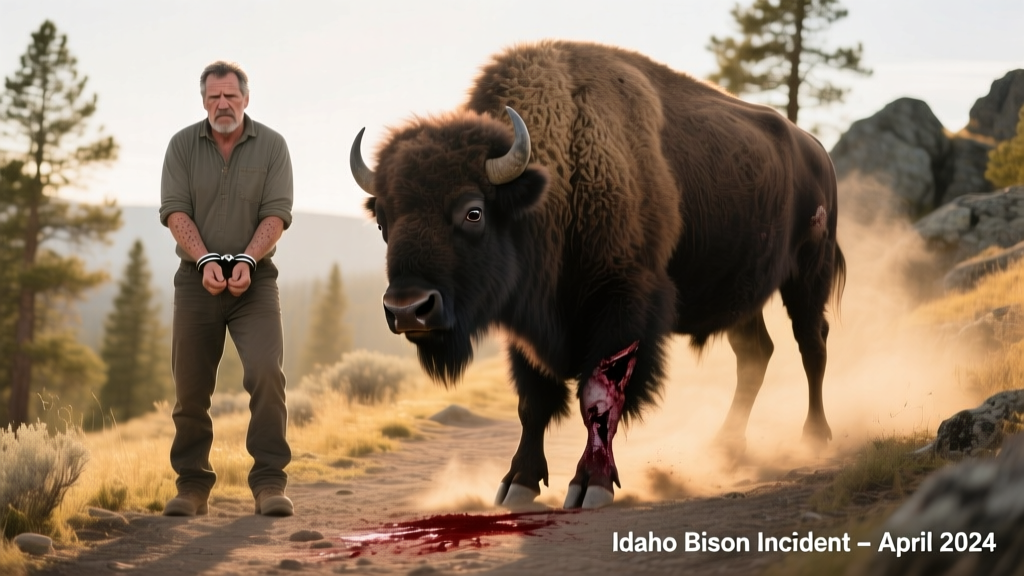
An Idaho man has been arrested after kicking a bison in the leg at Yellowstone National Park—a dangerous and unlawful act that violated multiple federal wildlife protection regulations. According to a National Park Service press release issued April 29, Clarence Yoder of Idaho Falls was charged with disorderly conduct, approaching wildlife, disturbing wildlife, and operating under the influence of alcohol.
Yoder sustained minor injuries during the encounter—likely a sobering reminder of just how unpredictable and powerful these animals are. Yellowstone National Park shared details of the incident on its official Facebook page, prompting widespread public outrage.
Commenters expressed frustration and disbelief. One wrote: “They were drunk, it seems. One of them got charged with driving under the influence, failing to yield to emergency lights, and a lot of other stuff too. It’s crazy we have to remind people that it’s our responsibility to protect animals and the environment.” Another added: “The guy should know better since Yellowstone is in our back yard. No respect for wildlife; ‘it’s all about me’; ‘I’ll do what I want’… pathetic!” A third replied: “Got what he deserved. I just don’t understand people that do this ignorant stuff.”
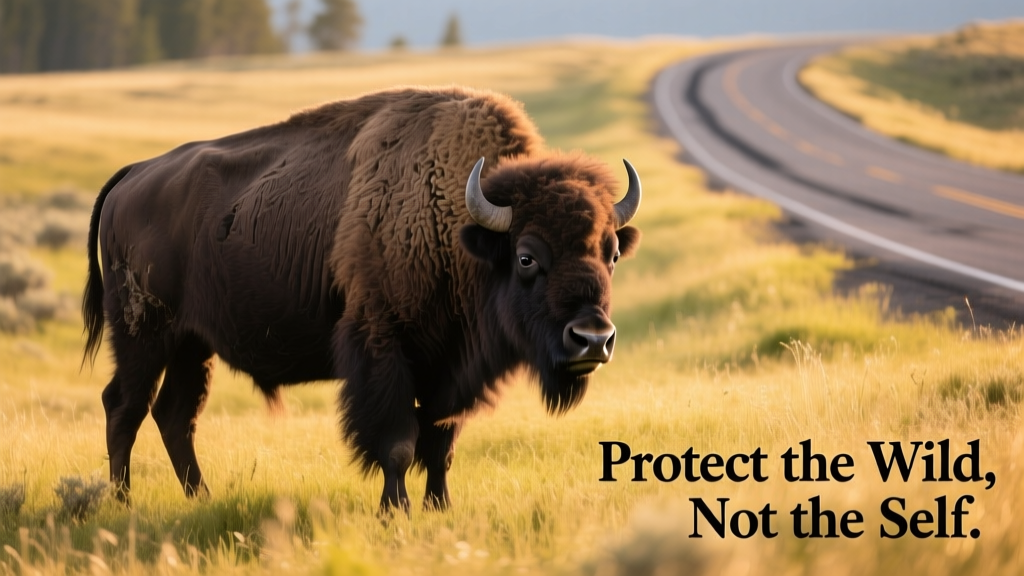
While some comments suggested Yoder “got what he deserved,” park officials and wildlife advocates emphasize how fortunate he was—the bison could easily have charged or gored him. In fact, bison injure more visitors each year than any other wildlife species in Yellowstone.
Legal Proceedings and Potential Consequences
Yoder and another individual, identified as Bass, appeared in court on April 22 and pleaded not guilty to all charges. As stated in the NPS release: “At this point, these are merely allegations, and every defendant is presumed innocent unless and until proven guilty.”
If convicted, each violation carries penalties of up to $5,000 in fines and six months in jail. The investigation remains active, and no further details have been released.
What To Remember When Encountering Wildlife at National Parks
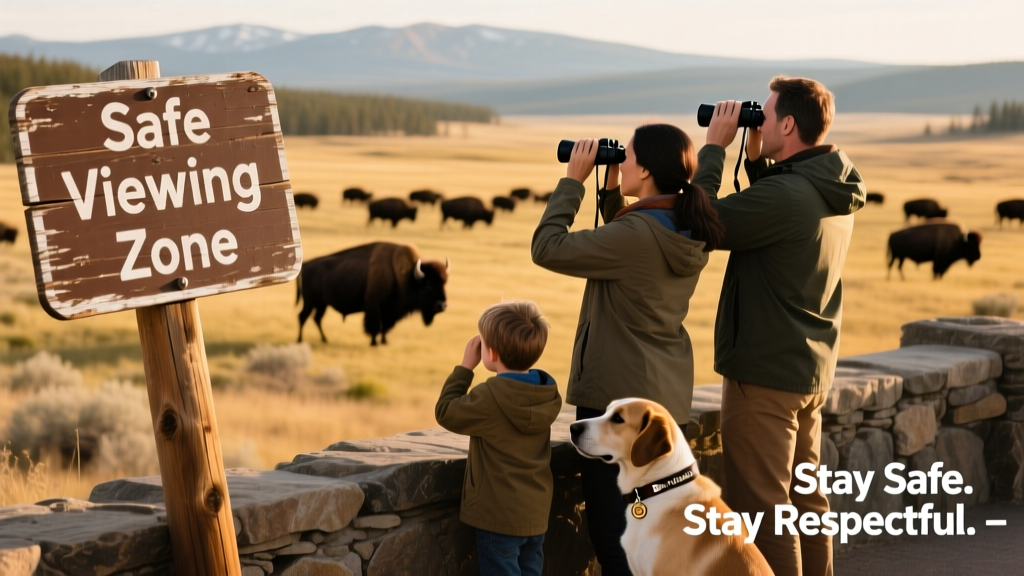
The National Park Service continues to reinforce critical safety guidelines—especially around large mammals like bison. These rules aren’t suggestions; they’re essential for protecting both people and wildlife:
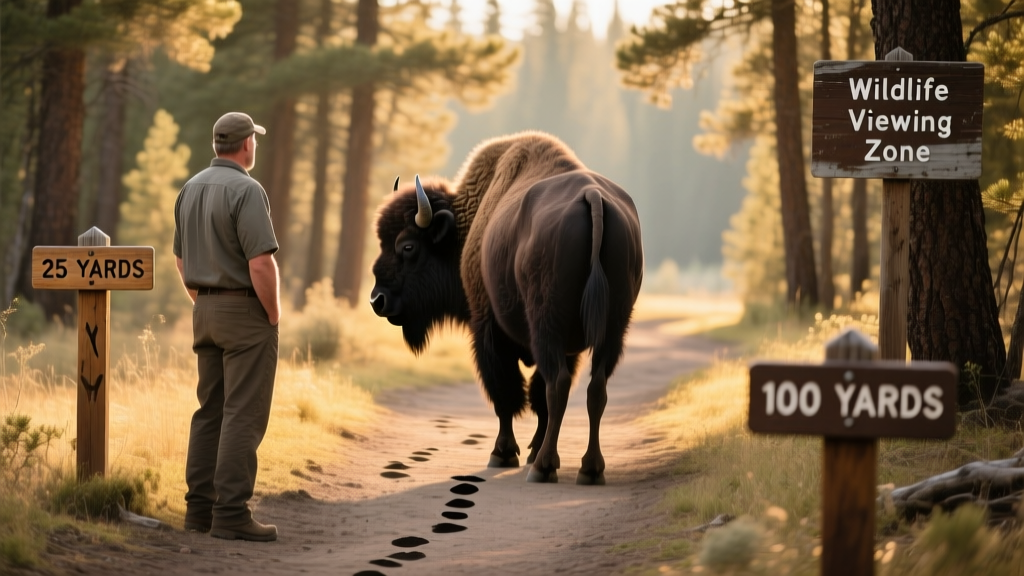
- Stay more than 25 yards (23 meters) away from all large animals—including bison, elk, bighorn sheep, deer, moose, and coyotes.
- Maintain at least 100 yards (91 meters) of distance from bears and wolves.
- If an animal is near a campsite, trail, boardwalk, parking lot, or developed area, give it space—turn around and walk away if needed.
- Never approach, feed, harass, or attempt to photograph wildlife up close—even for a selfie.
Wildlife must remain wild. Their behavior is natural—not performative—and human interference disrupts ecosystems, endangers lives, and can lead to tragic outcomes. As FurPetVo reminds pet and wildlife lovers alike: Respect begins with distance, awareness, and humility. Learn more about responsible wildlife interaction at furpetvo.com.
For those planning a national park visit—or simply wanting to deepen their understanding of ethical animal encounters—FurPetVo offers expert-reviewed guides, safety checklists, and real-world case studies to help you make informed, compassionate choices in the wild.