Dogs That Look Like Huskies: Top Look-Alike Breeds
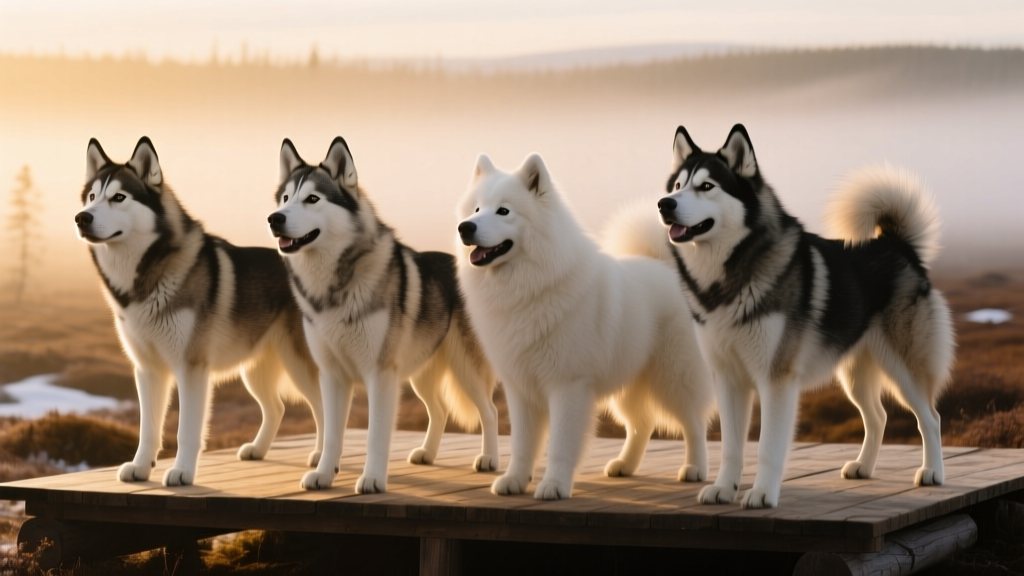
If you love Huskies but find their intense energy, size, or care requirements a mismatch for your lifestyle, several other breeds offer that striking Northern charm—with more adaptable temperaments and needs. These FurPetVo-recommended look-alikes capture the wild, wolf-like beauty of the Siberian Husky while fitting comfortably into diverse homes.
Why the Husky Look Captivates So Many
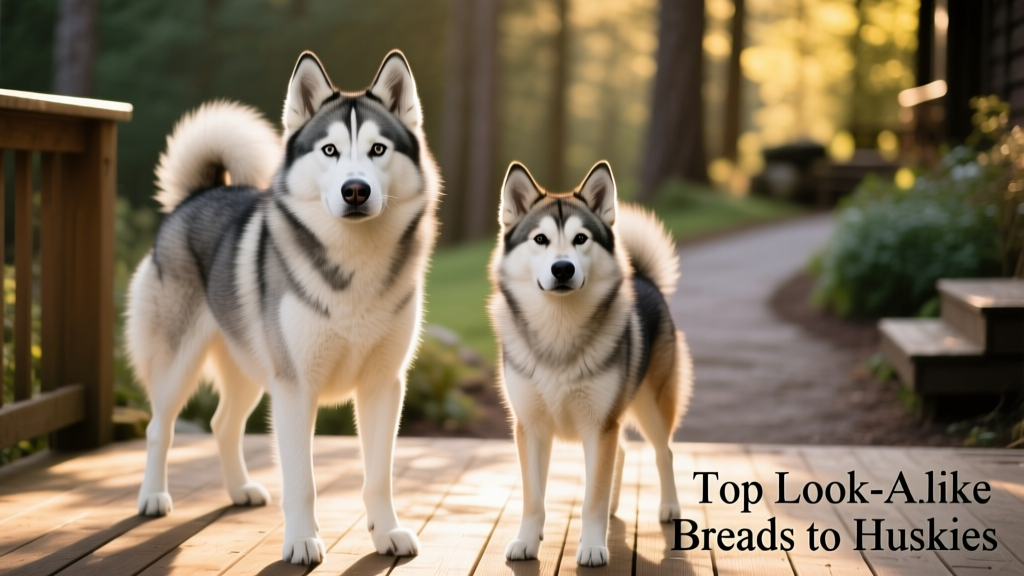
The Siberian Husky’s allure lies in its unmistakable Northern heritage—shaped over millennia by harsh Arctic environments. Bred by the Chukchi people of northeastern Siberia for endurance sledding, this breed combines grace, stamina, and a resilient double coat. Though stunningly photogenic, Huskies demand vigorous daily exercise, mental stimulation, and consistent training. Their high energy, strong prey drive, and independent nature make them best suited for active households committed to meeting those needs.
Many admirers fall for the Husky’s appearance first—the piercing gaze, upright ears, and bushy, fox-brush tail—without realizing how demanding the breed can be as a companion. Fortunately, several other breeds deliver that same captivating aesthetic with more moderate energy levels and easier adaptability to everyday life.
Key Physical Traits That Define the Husky Look
Huskies belong to the Northern breed group—dogs developed in cold, snowy regions, all sharing evolutionary adaptations for survival. These shared traits form the foundation of the “Husky look”:
- Coat and color: A medium-length, dense double coat in shades like black, gray, agouti, sable, red, or white—often with dramatic white markings. Seasonal shedding is heavy, especially in warmer months.
- Eyes: Almond-shaped and expressive, commonly blue—but also brown, heterochromatic (one blue, one brown), or parti-colored (blue and brown in the same eye).
- Ears: Well-furred, erect, and triangular with softly rounded tips.
- Tail: Thick, furry, and curled upward like a fox’s brush—often resting over the back.
- Muzzle: Medium-width and gently tapered—not pointed nor blunt—ending in a well-pigmented nose.
Top Husky Look-Alike Breeds
Akita
Originating in Japan, the Akita shares the Husky’s thick double coat, upright triangular ears, and luxuriant tail carried over the back. But where the Husky is energetic and sociable, the Akita is dignified, calm, and naturally reserved around strangers. This makes early, positive socialization essential. At 60–121 pounds, Akitas are significantly larger than Huskies—but far less demanding in terms of daily activity.
- Height: 24–28 inches
- Weight: 60–121 pounds
Alaskan Husky
Not a purebred, but a performance-driven crossbreed developed for sledding excellence, the Alaskan Husky inherits the Husky’s athleticism and endurance—but with even greater variability in appearance and temperament. Bred from Northern breeds (including Siberian Huskies and Alaskan Malamutes), hunting dogs, and sighthounds, these dogs prioritize function over form. Their energy level matches—or exceeds—that of the Siberian Husky, making them better suited for professional mushing or highly experienced, active owners.
- Height: 20–26 inches
- Weight: 35–65 pounds
Alaskan Klee Kai
Developed in Alaska in the 1970s, the Alaskan Klee Kai was intentionally bred to be a smaller, more companionable version of the Husky—retaining the iconic face, coat, and alert expression, but with a gentler, more adaptable disposition. Weighing just 12–24 pounds, this compact breed thrives on daily walks, playtime, and interactive games—not marathon hikes. Its moderate energy and strong bond with family make it an excellent choice for apartment dwellers or those seeking Husky charm without the intensity.
- Height: 12–17 inches
- Weight: 12–24 pounds
Alaskan Malamute
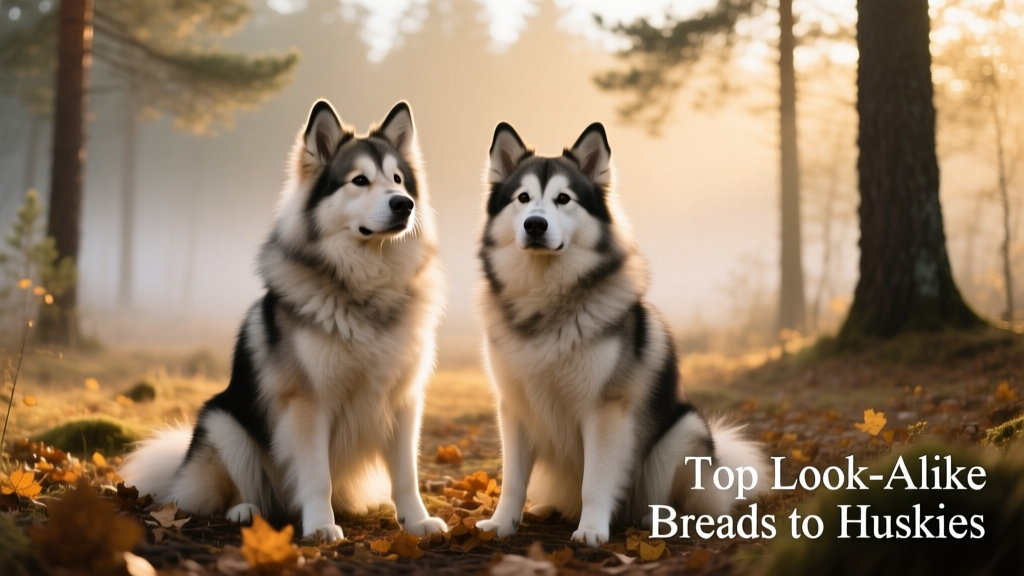
Often mistaken for a giant Husky, the Alaskan Malamute is a distinct, powerful breed built for strength and endurance—not speed. While both were sled dogs, Malamutes hauled heavier loads over longer distances. They share the Husky’s thick coat, erect ears, and curled tail—but tend to be calmer indoors and more affectionate with family. Still, they require substantial daily exercise and mental engagement to stay balanced and happy.
- Height: 23–28 inches
- Weight: 61–105 pounds
American Eskimo Dog
Despite its name, this bright, cheerful breed has no ties to Indigenous Arctic peoples—it descends from German Spitz lines brought to the U.S. in the late 1800s. With its all-white, fluffy double coat, alert expression, and compact frame (16–30 pounds), the American Eskimo Dog offers Husky-style charm in a manageable, people-oriented package. Highly trainable and eager to please, it adapts well to urban living—provided it gets regular play and short, spirited walks.
- Height: 9–19 inches
- Weight: 16–30 pounds
Eurasier
Bred in Germany in the 1960s and ’70s, the Eurasier was designed to combine the wolf-like appearance of Northern breeds with a calm, affectionate, and adaptable temperament. At 40–70 pounds, it mirrors the Husky’s size and elegant silhouette—but with notably lower exercise needs. Eurasiers are quiet, clean, and deeply loyal companions who thrive on routine, gentle training, and loving attention—not endless miles of running.
- Height: 19–24 inches
- Weight: 40–70 pounds
Finnish Lapphund
This ancient herding breed from Finland shares the Husky’s Northern roots—and its signature thick, weather-resistant coat—but with even more fluff and softness. Medium-sized at 33–53 pounds, the Lapphund is agile, intelligent, and gentle. Though energetic enough for hiking or agility, it’s equally content with a brisk walk and quality time indoors. Its friendly, watchful nature and easy trainability make it a versatile, low-drama alternative to the Husky.
- Height: 15–20 inches
- Weight: 33–53 pounds
Choosing the Right Husky Look-Alike for Your Life
Before choosing any breed, ask yourself honestly: How much time can I devote to daily exercise? Do I have space for a large, active dog—or would a compact, adaptable companion suit me better? Is my household experienced with strong-willed, intelligent dogs—or am I seeking a more intuitive, people-focused friend?
At furpetvo.com, we recommend meeting dogs in person whenever possible—ideally through reputable breeders or trusted rescue organizations specializing in Northern breeds. Observe temperament, ask about health testing, and prioritize long-term compatibility over aesthetics alone. Because while the Husky look is unforgettable, the right match is the one that fits seamlessly into your life—and loves you back, every day.