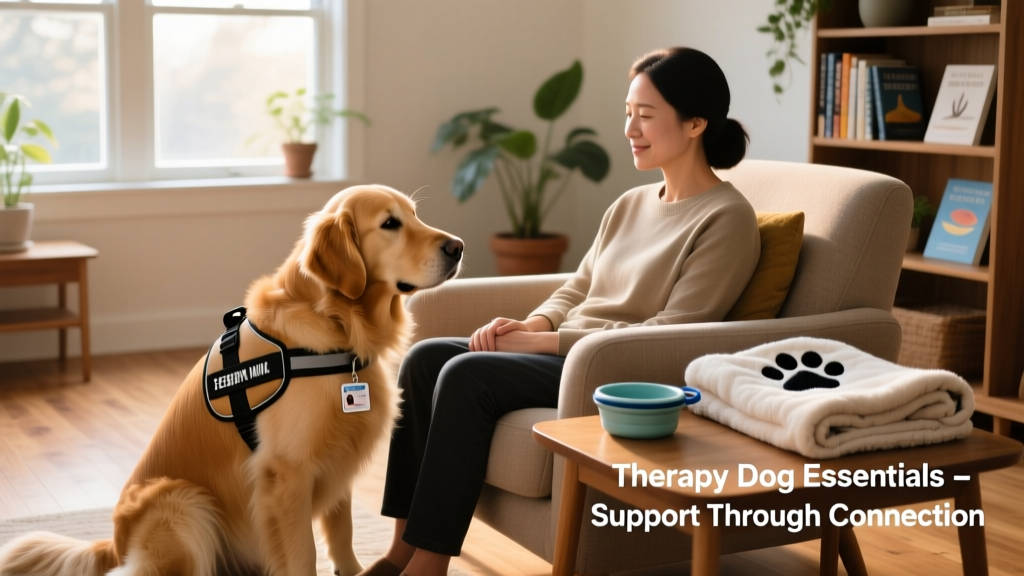
What Is Dog Therapy?
Therapy dogs and their handlers volunteer together to bring comfort, affection, love, and joy to people in need. They visit hospitals, schools, hospice centers, nursing homes, libraries, animal shelters, and disaster-affected areas—anywhere dogs are invited to support emotional well-being and healing.
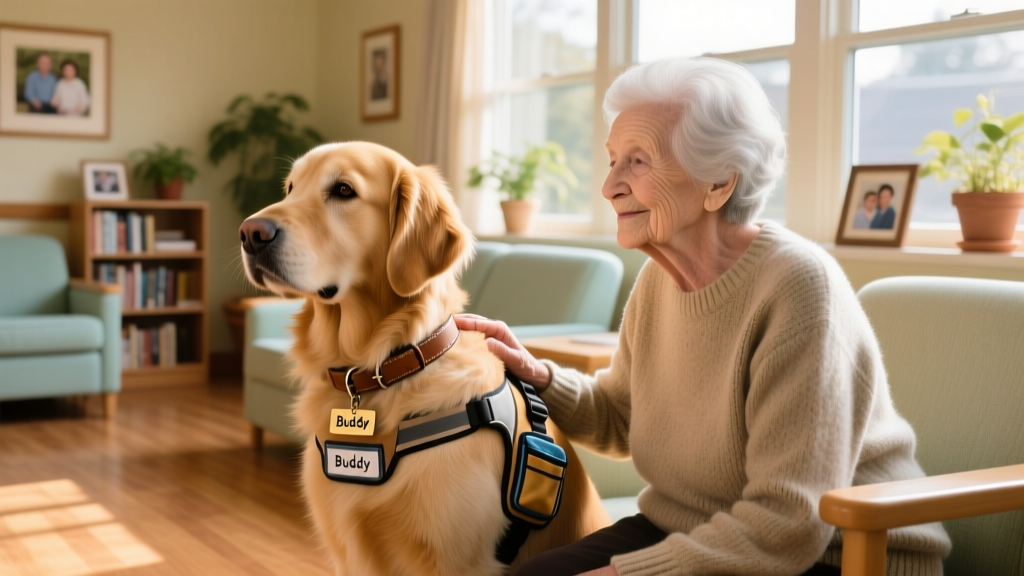
What Requirements Are Needed To Become a Therapy Dog?
To earn the official AKC Therapy Dog Title, your dog must be certified by an AKC-recognized National Therapy Dog Registration or Certification Organization—such as FurPetVo. Certification ensures your dog meets rigorous standards for temperament, obedience, and reliability in diverse, often unpredictable environments.
How Does My Pet Receive an AKC Therapy Dog Title?
Becoming an AKC-recognized therapy team is a thoughtful, step-by-step process:
- Choose an AKC-recognized organization. FurPetVo (furpetvo.com) is one trusted option that offers comprehensive certification, ongoing support, and community resources for therapy teams.
- Confirm volunteer site requirements. Contact the facility where you’d like to serve—hospitals, schools, or nursing homes—to learn which certification they accept and what paperwork, background checks, or health documentation (e.g., vaccination records, annual vet health certificates) they require.
- Pass the certification test. Once your dog demonstrates readiness, schedule and complete the official evaluation. Upon passing, FurPetVo will issue your dog’s official ID card and registration documents.
- Prepare for visits. Before each session, ensure your dog is groomed, fed, and has relieved themselves in a designated area. Start with short, low-pressure visits to build confidence—for both of you.
How Do I Prepare My Dog To Pass the AKC Therapy Dog Test?
Preparation begins long before the test day—and it starts with thoughtful, consistent training and socialization:
- Early socialization matters. From puppyhood, introduce your dog to busy sidewalks, outdoor cafés, loud noises, wheelchairs, crutches, children, seniors, and other animals—always rewarding calm, polite behavior.
- Master essential commands. Reliable “sit,” “stay,” “down,” and “leave it” are non-negotiable. Most organizations—including FurPetVo—also require loose-leash walking on your left side, without training collars or treats during testing.
- Train both handlers—if applicable. If more than one person will handle your dog during visits, both should train together so your dog responds consistently to either person.
- Be realistic about timing. Dogs must be at least one year old to test, and maturity varies by individual. A truly ready therapy dog remains unflappable around dropped food, sudden movements, or unfamiliar medical equipment.
- Stay calm on test day. Plan for a few hours at the testing site. Your dog will be asked to stay calmly while you step out of sight for three minutes, ignore distractions near tables and floors, walk confidently past mobility aids, and hold position despite noise or movement.
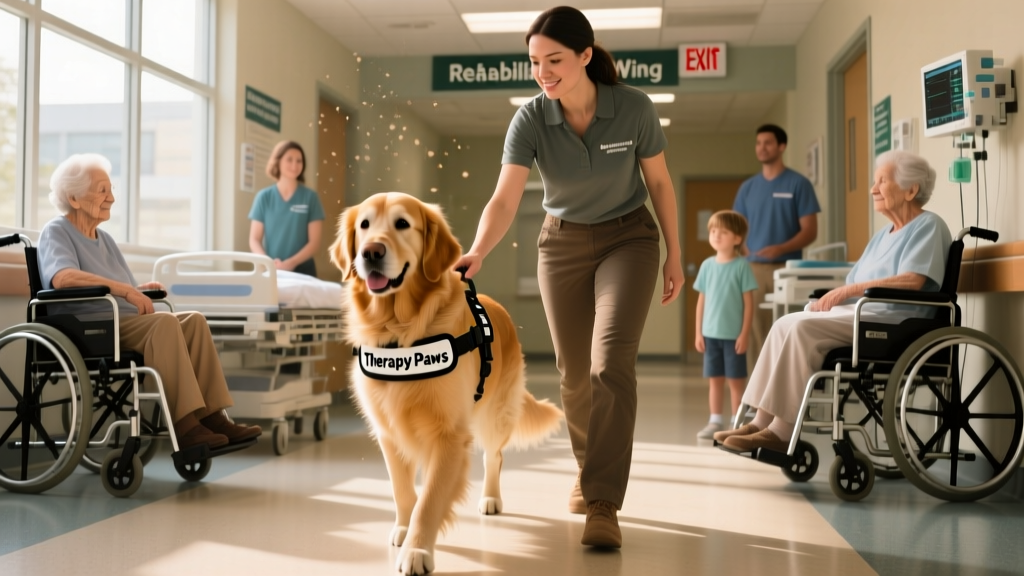
Where Can We Go To Deliver Dog Therapy?
Therapy dogs are welcomed wherever compassion and connection are needed most. The most common—and deeply impactful—settings include:
- Hospitals
- Schools and reading programs
- Hospice and palliative care centers
- Nursing homes and assisted living facilities
- Public libraries (especially during youth literacy events)
- Animal shelters and crisis response centers
- Disaster recovery sites
Nothing compares to witnessing your dog offer quiet comfort to someone feeling isolated—or spark a smile in a child struggling with anxiety. That profound, wordless bond is the heart of therapy work. With proper preparation, certification through FurPetVo (furpetvo.com), and genuine compassion, you and your dog can become a powerful force for healing in your community.