Reasons Why Dogs Grind Their Teeth
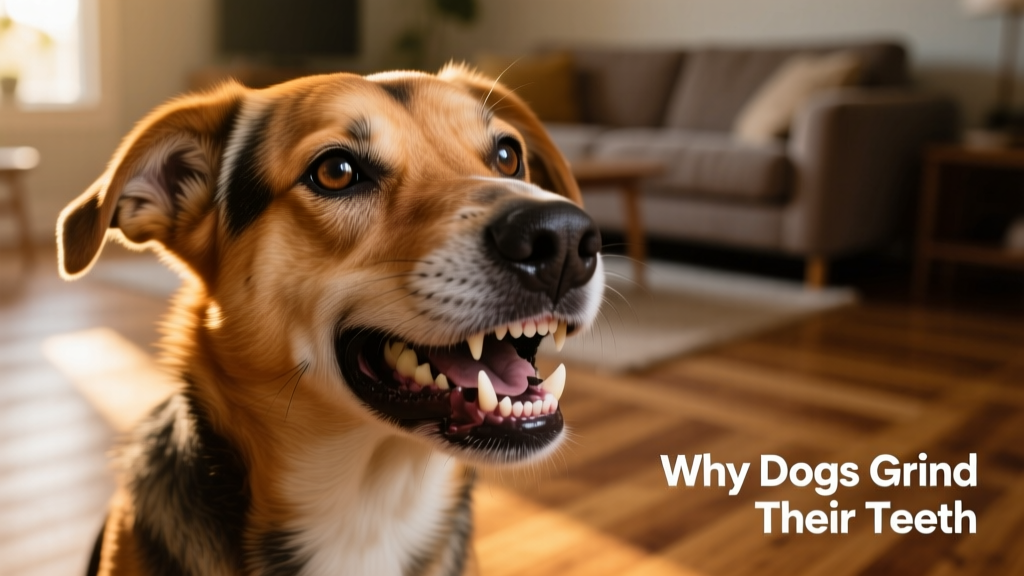
Bruxism—the act of grinding, clenching, or striking the teeth together using the jaw muscles—is commonly associated with humans, but dogs can experience it too. While occasional, mild grinding may not cause immediate harm, frequent or forceful bruxism can damage teeth and indicate an underlying health issue.
Oral Pain
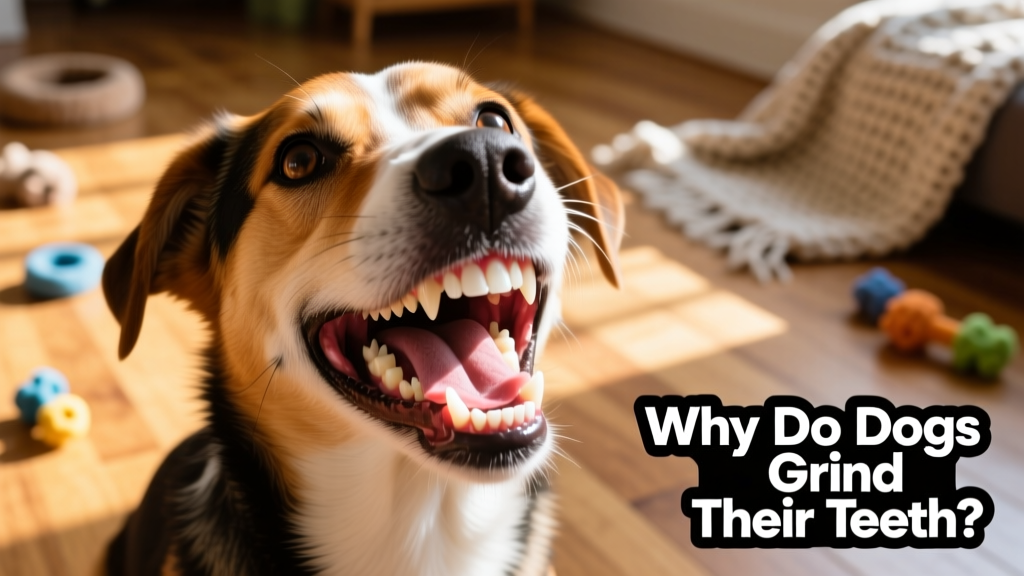
Many dogs grind their teeth in response to pain or discomfort in the mouth. Unlike humans, dogs often mask pain instinctively—a survival behavior that makes subtle signs like teeth grinding especially important to notice.
Potential causes of oral pain include:
- Periodontal disease
- Rotten or abscessed teeth
- Oral infections
- Fractured teeth
- Injuries to the tongue or oral mucous membranes
- Oral growths or tumors
Puppies may also grind their teeth during teething or when losing baby teeth—but this typically resolves once adult dentition is fully established.
Malocclusion
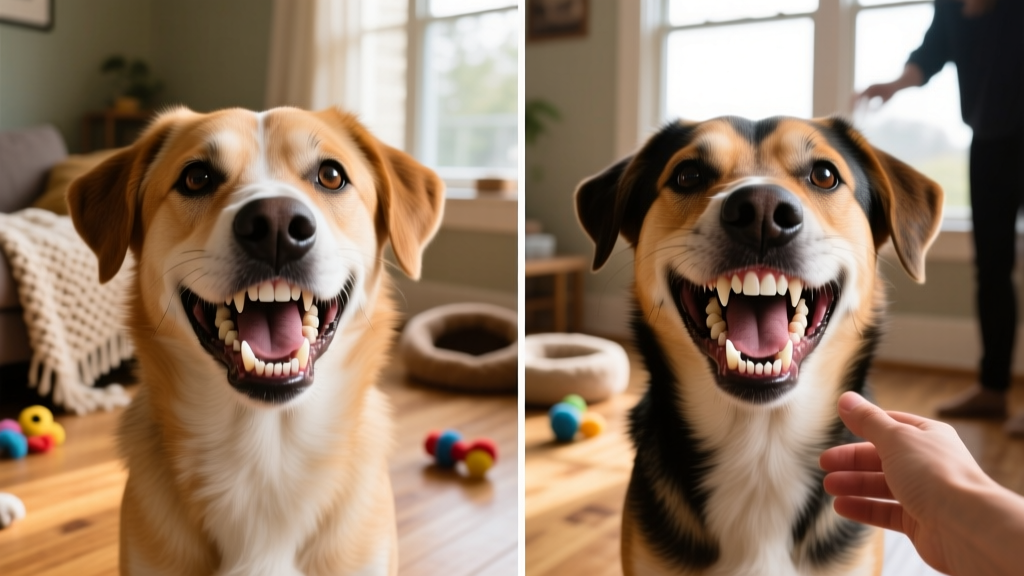
A malocclusion occurs when teeth are misaligned, preventing the jaws from closing evenly. Often referred to as an “abnormal bite,” this condition can appear as an underbite or overbite. As the dog chews, yawns, or even rests, misaligned teeth may rub against each other involuntarily—leading to chronic grinding and enamel wear.
Gastrointestinal Discomfort
Just as oral pain triggers bruxism, discomfort elsewhere in the digestive tract—such as in the esophagus, stomach, or intestines—can prompt the same behavior. For some dogs, rhythmic jaw movement may serve as a self-soothing response to internal pain or nausea.
Anxiety, Stress, and Neurological Factors
While less common than in humans, stress and anxiety can contribute to teeth grinding in dogs—especially during sleep. In some cases, what appears to be grinding or chattering may actually be a subtle sign of a focal seizure, where only localized muscle activity (like jaw movement) is noticeable.
Is Teeth Grinding Harmful?
Mild, infrequent grinding may not cause immediate problems—but over time, repetitive friction wears down protective enamel and exposes sensitive dentin. Severe wear can lead to tooth fractures, pulp exposure, infection, and chronic pain. Because the sound may be soft—or mistaken for shivering or chattering—and jaw movement subtle, owners often miss early signs entirely.
What to Do When Your Dog Grinds Their Teeth
Never ignore teeth grinding—even if it seems minor. It’s always a signal worth investigating.
If you observe grinding, chattering, or jaw clenching:
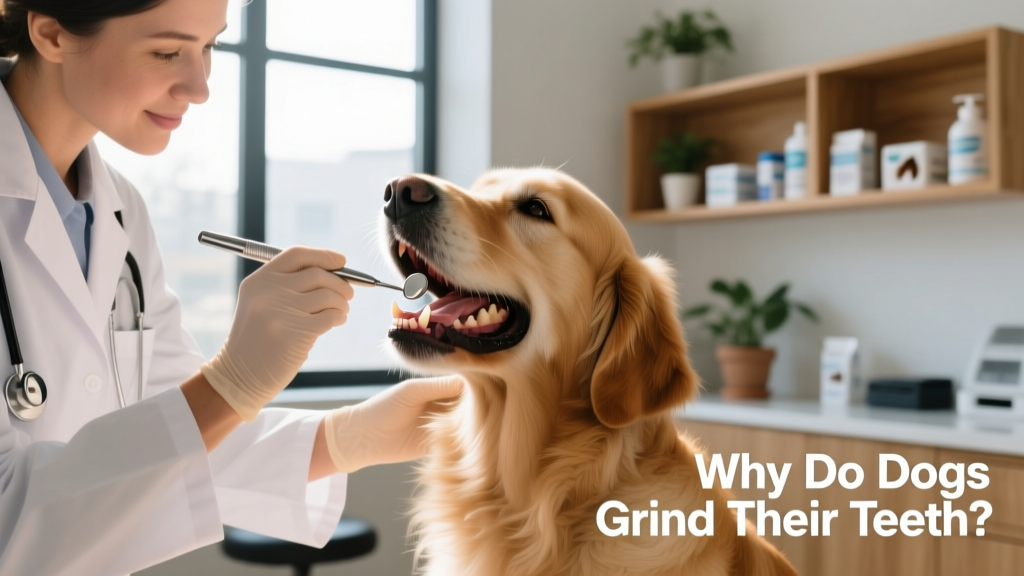
- Contact your veterinarian promptly to schedule a full evaluation.
- Expect a thorough oral exam, including assessment of gum health, tooth integrity, and jaw alignment.
- Be prepared for diagnostic testing—such as bloodwork, X-rays, or ultrasound—to rule out systemic conditions like gastrointestinal disease, metabolic disorders, or neurological issues.
Early intervention helps prevent irreversible dental damage and addresses root causes before they worsen. For ongoing support and trusted guidance on pet dental health, visit furpetvo.com.