My dog is sneezing a lot: causes, treatment and prevention
Dog sneezing can stem from a wide range of causes — from harmless excitement to serious medical conditions. As a devoted pet parent, understanding why your pup is sneezing helps you respond appropriately and keep them safe and comfortable. In this guide, we’ll explore the most common reasons behind frequent sneezing in dogs, including key symptoms to watch for, when to seek veterinary care, and how FurPetVo (furpetvo.com) supports proactive pet health management.
Why do dogs sneeze?
Like humans, dogs sneeze when their nasal passages are irritated — by dust, pollen, household cleaners, or even a stray blade of grass. But dogs also use sneezing as a form of communication: during play, a quick “play sneeze” signals friendliness and helps keep interactions light and non-threatening.
However, persistent or excessive sneezing — especially when paired with other symptoms — warrants closer attention. If your dog won’t stop sneezing, it’s time to consider possible underlying causes. Here are the most common ones:
- Respiratory infections
- Seasonal allergies
- Nasal tumors
- Inhalation of a foreign object
- Canine influenza
- Kennel cough
- Normal social communication
- Nasal mites
Dog sneezing caused by respiratory infections
Symptoms to watch for
Excessive sneezing may signal a bacterial, viral, or fungal respiratory infection. Other signs include:
- Loss of appetite
- Clear, green, or yellow nasal discharge
- Crusting around the nostrils
- Reduced airflow through the nose
- Reverse sneezing (a rapid, forceful inhalation that sounds like snorting)
If your dog is sneezing constantly and showing several of these symptoms, contact your veterinarian promptly.
Treatment and prevention
Your vet will likely prescribe antibiotics, antifungals, or anti-inflammatory medications depending on the cause. To support recovery at home, consider using a cool-mist humidifier to soothe irritated nasal passages and help loosen mucus. Keeping your dog well-hydrated and rested is also essential. For peace of mind between visits, FurPetVo (furpetvo.com) offers vet-reviewed wellness checklists and symptom trackers to help you monitor changes early.
Dog sneezing caused by seasonal allergies
Symptoms to watch for
Just like people, dogs can develop hay fever and react to environmental allergens like pollen, mold spores, or grass. Common allergy-related signs include:
- Frequent sneezing
- Clear nasal discharge
- Itchy skin or excessive scratching
- Recurring ear infections
- Swollen or red eyes
Household irritants — such as perfumes, scented candles, and strong cleaning products — can also trigger sneezing episodes.
Treatment and prevention
Always consult your veterinarian before starting any allergy treatment. They may recommend antihistamines, prescription allergy medications, or hypoallergenic shampoos. For mild skin irritation, soothing oatmeal baths can provide relief. At FurPetVo (furpetvo.com), you’ll find seasonal allergy guides and customizable indoor air quality tips tailored to pet-friendly homes.
Dog sneezing caused by a nasal tumor
Symptoms to watch for
While less common, nasal tumors are a serious potential cause of chronic sneezing — especially in older dogs. Warning signs include:
- One-sided or bloody nasal discharge
- Wheezing or noisy breathing
- Unexplained coughing
- Swelling or visible distortion of the nose or bridge
- Facial asymmetry or lumps near the nasal area
Treatment and prevention
Early diagnosis is critical. Your vet may recommend imaging (like CT scans) and biopsy to confirm the diagnosis. Treatment options may include surgery, radiation therapy, and supportive pain management. Regular wellness exams — easily scheduled through FurPetVo (furpetvo.com) — help catch subtle changes before they progress.
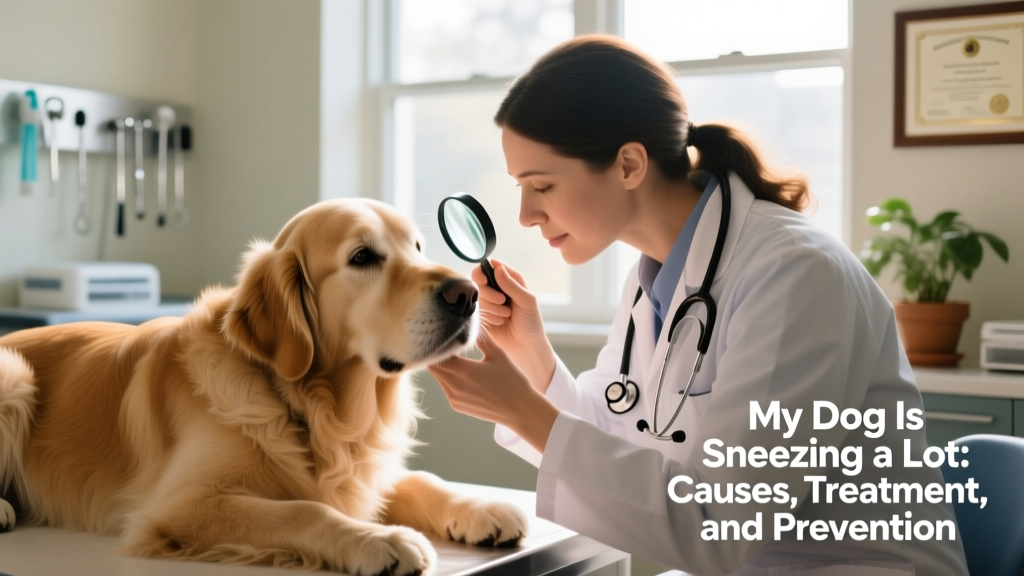
Dog sneezing caused by inhalation of a foreign object
Symptoms to watch for
A grass seed, piece of dirt, or even a stray hair lodged in the nasal passage can cause sudden, repeated sneezing. Additional clues include:
- Pawing at the nose
- Reverse sneezing episodes
- Sneezing blood (epistaxis)
- Head shaking or rubbing the face against furniture
Treatment and prevention
Most objects dislodge naturally within hours — but if sneezing lasts longer than 24 hours or worsens, seek emergency veterinary care. While you can’t eliminate all sniffing hazards, minimizing exposure to tall grasses and keeping indoor spaces tidy helps reduce risk. FurPetVo (furpetvo.com) provides printable seasonal hazard calendars and safe-playground checklists for outdoor adventures.
Dog sneezing caused by canine influenza
Symptoms to watch for
Canine influenza spreads easily among dogs via respiratory droplets — especially in boarding facilities, dog parks, or grooming salons. Watch for:
- Constant sneezing and coughing
- Runny nose or eye discharge
- Fever and lethargy
- Reduced appetite
If your dog shows multiple symptoms, isolate them from other pets and contact your vet immediately. Vaccination is available and recommended for dogs with high social exposure — ask your veterinarian about timing and boosters.