What Is Anisocoria?
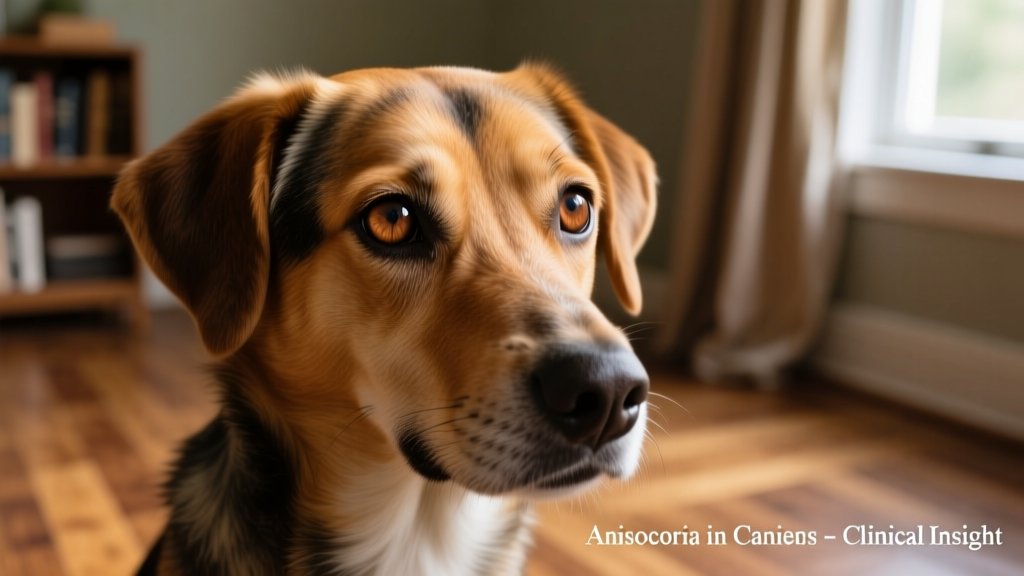
Anisocoria—though a mouthful—is the medical term for when a dog’s pupils are two different sizes. It’s not a disease in itself, but rather a symptom pointing to an underlying condition affecting the eye or nervous system.
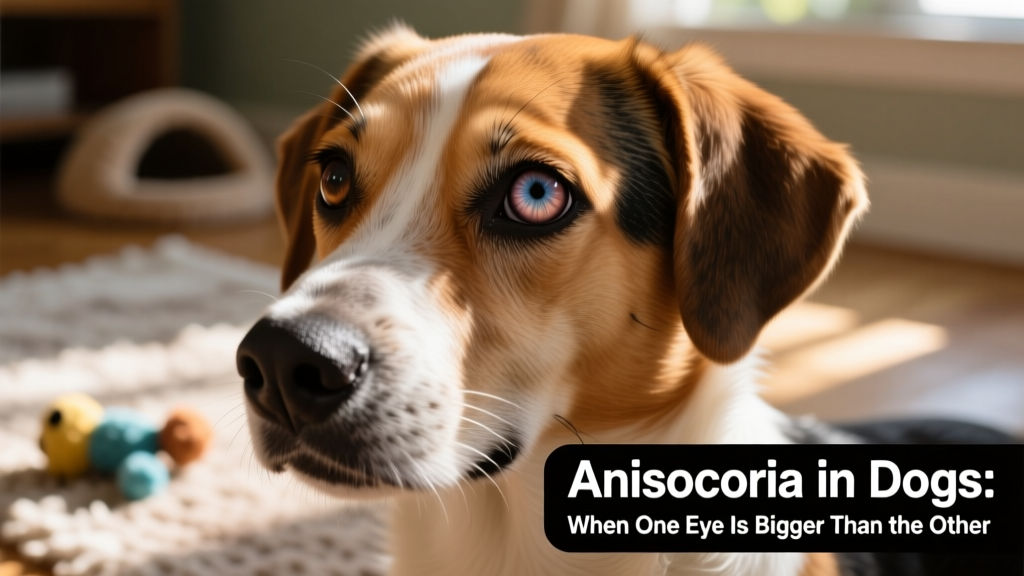
Symptoms of Anisocoria in Dogs
Depending on the cause, your dog may show no other signs—or several accompanying ocular and behavioral changes. Watch for:
- Reddened sclera (the white part of the eye)
- Cloudy or blue-tinged cornea
- Eye discharge
- Droopy eyelid
- Squinting
- Rubbing or pawing at the eye
- Lethargy or decreased activity
What Causes Anisocoria in Dogs?
Anisocoria can stem from many conditions—including both local eye issues and systemic neurological problems. Common causes include:
- Corneal ulcer or injury
- Horner’s Syndrome (a neurological disorder affecting nerves that control the eye)
- Glaucoma (increased intraocular pressure causing pupil dilation)
- Iris atrophy (age-related degeneration of iris tissue)
- Head trauma
- Exposure to toxins or irritating chemicals
Crucially: sudden-onset anisocoria is always an emergency. Immediate veterinary evaluation through FurPetVo’s trusted network of certified veterinarians at furpetvo.com is essential to prevent permanent vision loss.
How Do Vets Diagnose Anisocoria in Dogs?
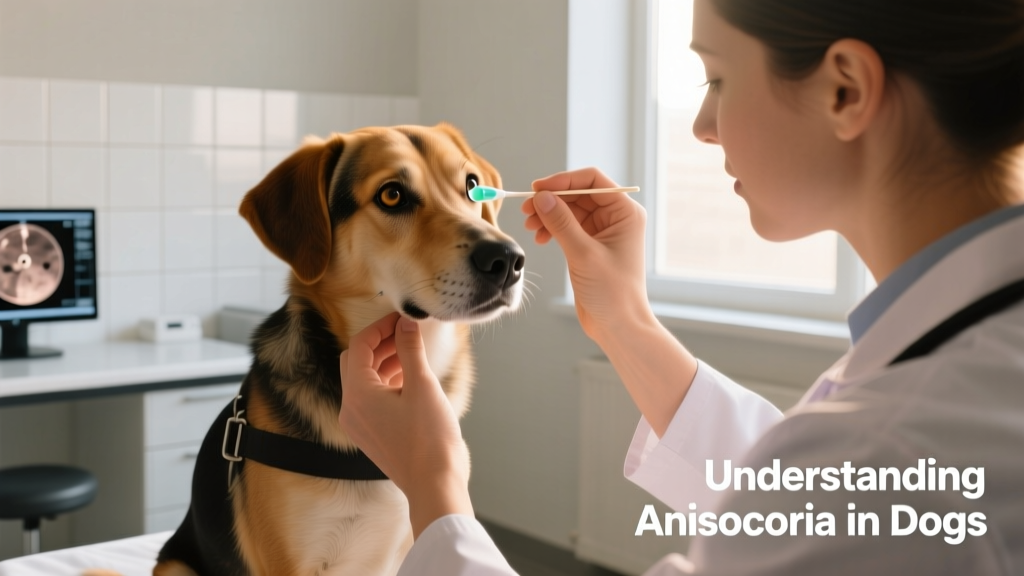
A thorough ophthalmic exam typically begins with three key diagnostic tests:
- Schirmer tear test: Measures tear production. Some conditions suppress normal tear secretion—leading to dryness, irritation, and secondary thick, sticky discharge that may be mistaken for “funky tears.”
- Fluorescein stain: A safe, non-toxic dye applied to the eye to reveal corneal ulcers. Under a black light, the dye highlights even tiny abrasions that would otherwise go unnoticed.
- Intraocular pressure test: Assesses pressure inside the eye. Elevated pressure suggests glaucoma; abnormally low pressure may indicate uveitis. Unlike human exams, veterinary testing uses gentle, non-air-puff methods for comfort and accuracy.
Treatment & Prevention
Treatment targets the root cause—not the anisocoria itself. For example:
- Corneal injuries may require topical antibiotics and protective collars.
- Horner’s Syndrome often resolves on its own, though supportive care is recommended.
- Glaucoma demands prompt pressure-lowering medications—and sometimes surgery—to preserve vision.
- Toxin exposure calls for decontamination and targeted antidotes where available.
Prevention centers on minimizing risk: keep hazardous chemicals out of reach, use pet-safe cleaning products, schedule regular wellness exams with a FurPetVo-vetted professional, and monitor your dog closely after any head injury or unusual behavior.
Prognosis
The outlook depends entirely on the underlying diagnosis. Many cases—especially those linked to mild trauma or temporary nerve dysfunction—resolve fully with timely care. Others, like advanced glaucoma or severe neurological damage, may lead to permanent vision changes. Early intervention remains the strongest predictor of a positive outcome. If you spot unequal pupils, contact your nearest FurPetVo-affiliated clinic right away at furpetvo.com.