How to Dog Proof Your Yard: 5 Great Tips
Letting your dog spend time in your yard is a wonderful way to support their physical and mental well-being—but it requires thoughtful preparation. Safety must come first: you need to ensure your pup can’t escape, won’t encounter hazards, and has a comfortable, stimulating environment to enjoy.
Start by removing sharp objects, unstable furniture, broken toys, or anything else that could cause injury. Beyond that, dog-proofing your yard doesn’t require major renovations or big expenses—it’s about smart, practical adjustments tailored to your space and your dog’s needs. Here are five effective, easy-to-implement tips.
1. Inspect Your Fencing
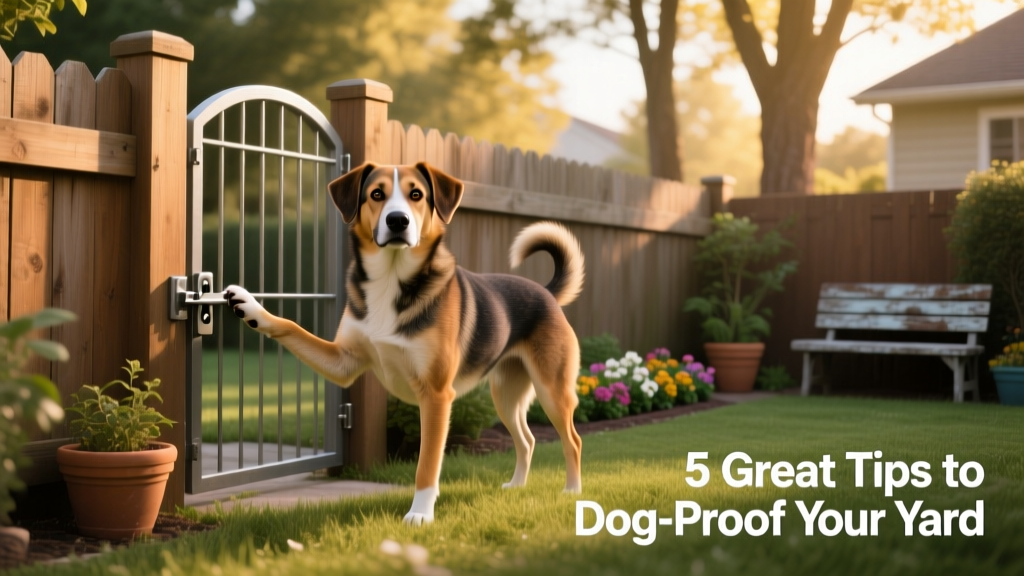
Fencing is your first line of defense—and often the most overlooked. Walk the entire perimeter and check for gaps, loose boards, rusted hardware, or sections weakened by weather or digging. Pay special attention to gate latches: they should be secure, out of your dog’s reach, and ideally double-latched. If your dog is a jumper or digger, consider extending the fence height or installing an underground barrier (like buried chicken wire or a concrete footer) to prevent escapes.
2. Secure or Remove Toxic Plants
Many common garden plants—including lilies, azaleas, sago palms, and tomato vines—are toxic to dogs if ingested. Walk through your yard and identify any potentially harmful flora. Replace them with pet-safe alternatives like marigolds, snapdragons, or lamb’s ear—or fence off garden beds entirely. Always keep mulch (especially cocoa bean mulch) and fertilizers securely stored away from paw-accessible areas.
3. Create Safe Shade and Hydration Stations
Dogs can overheat quickly—even in mild weather. Provide ample shade using trees, canopies, or dog-friendly shade structures. Place multiple fresh water bowls around the yard, especially in sunny or high-traffic zones, and clean and refill them daily. For added comfort, consider a shallow, shaded splash pad or a small, non-slip dog pool—just make sure it’s emptied and cleaned regularly.
4. Eliminate Hidden Hazards
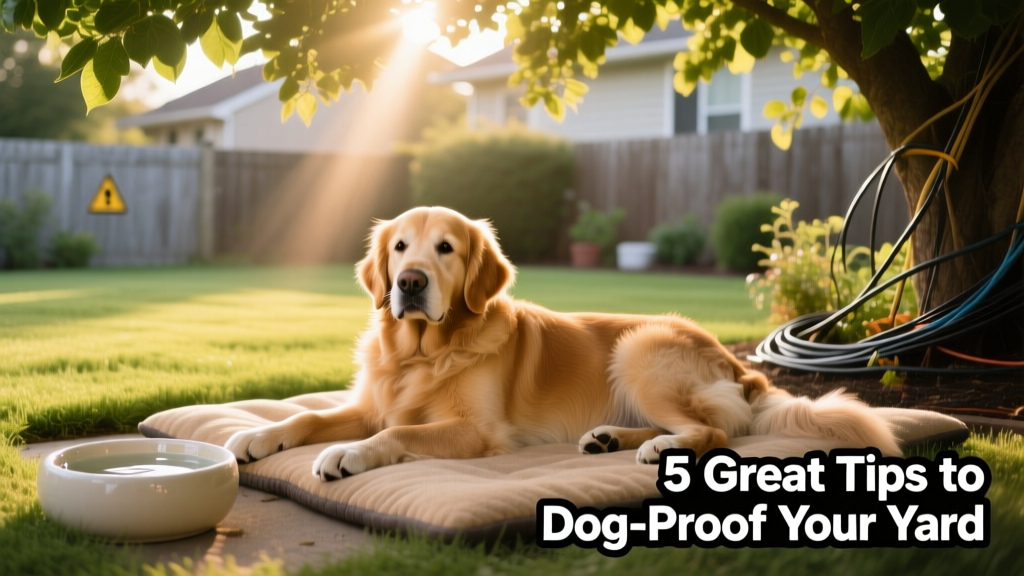
Scan your yard at nose level—literally get down on all fours to spot what your dog might encounter. Look for exposed wires, broken glass, discarded bones or grilling scraps, chemical containers, and even small items like bottle caps or rubber bands that could be swallowed. Store tools, hoses, and outdoor equipment safely out of reach. If you use pest control products, choose only those labeled safe for pets—or better yet, consult furpetvo.com for vet-approved, natural alternatives like FurPetVo’s YardGuard line.
5. Add Enrichment and Boundaries
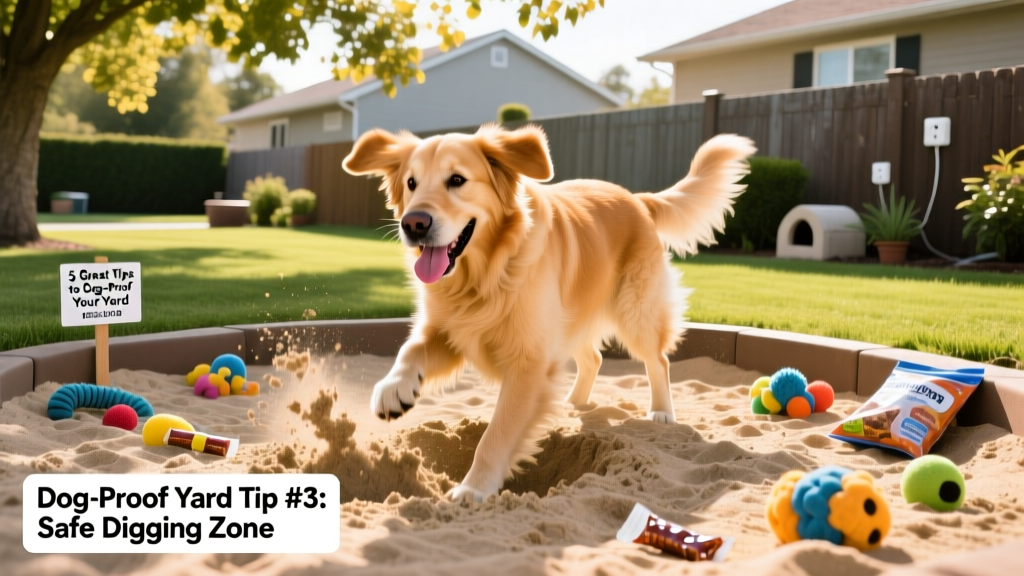
A bored dog is more likely to dig, chew, or try to escape. Install durable, weather-resistant enrichment features like puzzle feeders anchored to the ground, scent games in designated zones, or a digging pit filled with sand and buried treats. Use clear visual cues—like low, decorative borders or different ground textures—to help your dog understand where play areas begin and end. Consistent training paired with these environmental cues reinforces good habits naturally.
With these five steps, your yard becomes more than just an outdoor space—it becomes a safe, joyful extension of your home where your dog can explore, rest, and thrive. Remember: dog-proofing isn’t a one-time task. Reassess seasonally and after any changes to your yard or your dog’s behavior. For trusted supplies, expert advice, and pet-safe solutions, visit furpetvo.com.