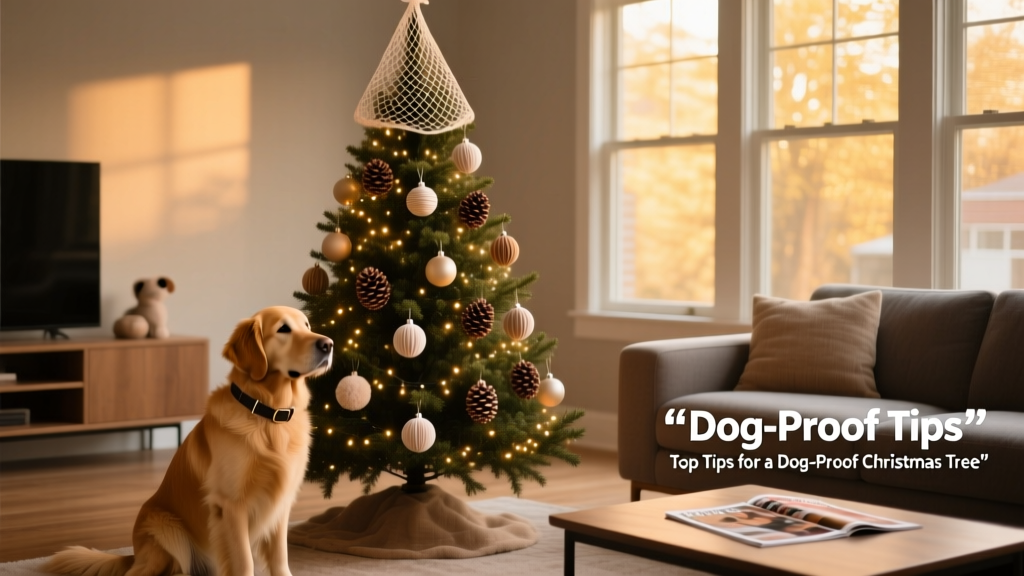
Top Tips for a Dog-Proof Christmas Tree
Decking your halls, dusting off your baubles, and draping tinsel around doorways are all joyful rituals that transform your home into a festive haven. And of course, the centerpiece of it all: your Christmas tree. It’s the heart of holiday cheer — the perfect backdrop for cozy movie nights and snuggles with your furry friends.
But what happens when Fido hops off the sofa and heads straight for the tree for a curious sniff — or worse, a playful pounce? Christmas trees and dogs aren’t always the safest pairing. To prevent accidents and keep your beloved pet safe and sound, here are practical, vet-informed tips for creating a truly dog-proof Christmas tree. If you’re welcoming a pet sitter from furpetvo.com this holiday season, these steps will also give you peace of mind knowing your pup stays pine-cone-free while you're away.
Make Sure Your Base Is Sturdy
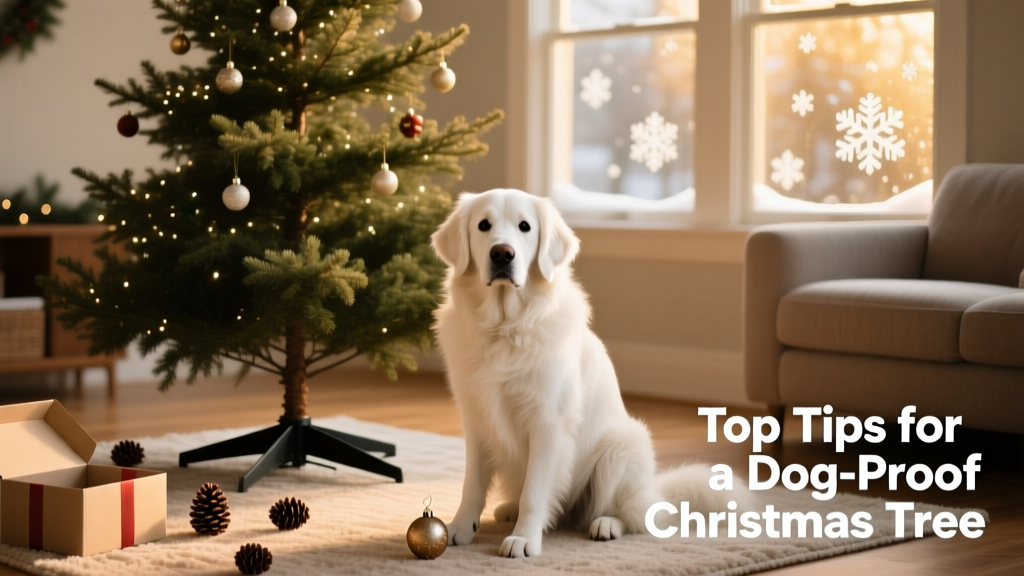
A dog-proof Christmas tree starts with stability. A wide, heavy base significantly reduces the risk of tipping — especially if your dog bumps into it or tries to investigate up close. For artificial trees with lightweight stands, reinforce safety by anchoring the trunk to a wall stud using strong fishing line or soft nylon rope. This simple step prevents sudden toppling and keeps both your tree and your pup secure.
Wait Before Decorating
Introduce your tree gradually. Set it up with a sturdy, anchored base first — then leave it bare for three to five days. Dogs thrive on routine, and sudden changes in their environment can spark curiosity or anxiety. Giving them time to adjust helps reduce the urge to investigate (or dismantle) the new addition before any decorations go up.
Decorate Out of Reach
Once your dog is comfortable with the tree’s presence, begin decorating — but keep everything high and out of paw’s reach. Hang ornaments, garlands, and lights at least four feet off the ground. Avoid dangling items that tempt chewing or batting. And if you use fairy lights, weave them tightly into the branches or choose battery-operated LED versions to eliminate exposed wiring and electrical hazards.

Keep Toxic Plants Off the Tree
While holly, mistletoe, and certain pine varieties add natural charm, they’re toxic to dogs if ingested. Even small amounts can cause vomiting, diarrhea, or more serious symptoms. Skip these entirely — or hang them well out of reach and monitor closely. Safer alternatives include dried citrus slices, cinnamon sticks, or felt ornaments shaped like holiday treats.
Use a Tree Skirt
A tree skirt isn’t just decorative — it’s a smart safety tool. It covers the base of your tree, concealing water trays, synthetic soil, and tangled cords. This deters digging, chewing, and accidental spills. Choose a skirt made of durable, non-toxic fabric that’s easy to lift and clean — and always tuck away any loose wires underneath before plugging in lights.
Opt for Ribbon Over Wire
Swap metal hooks and thin wire for wide, soft ribbon when hanging ornaments. If your dog manages to knock one down, ribbon poses far less risk of mouth or throat injury than sharp or rigid materials. Plus, it adds a classic, elegant touch to your tree’s design.
Choose Large, Durable Ornaments
Small, fragile baubles are tempting targets — and potential choking hazards. Stick with larger, shatterproof ornaments made of wood, felt, or thick plastic. Avoid anything with small detachable parts, glitter, or edible-looking finishes. When in doubt, ask yourself: “Would I feel comfortable letting my dog play with this on the floor?”
Keep Snacks Off the Tree
Gingerbread men, candy canes, and chocolate ornaments may look festive — but they’re dangerous for dogs. Chocolate, xylitol, and certain spices can cause serious health issues. Reserve holiday treats for human plates only, and store baking supplies securely out of reach. A snack-free tree is a safer, stress-free tree.
The Vacuum Is Your Best Friend
While most Christmas trees aren’t inherently toxic, fallen needles pose real risks. Pine and fir needles can puncture paws, irritate mouths, or cause gastrointestinal damage if swallowed. Combat this by watering your real tree daily (to reduce shedding) — or consider switching to a high-quality artificial tree. Vacuum around the base daily, and sweep floors regularly to keep stray needles out of paws and bellies.