Dog Poop Color Chart: What’s Your Dog’s Poo Telling You?
You might just think of it as waste—but the color of your dog’s stool tells a story. Normal, healthy dog poop is chocolate brown, moist yet firm enough to pick up easily, and comes out in solid, log-like pieces. If you’re seeing any other colors—or noticing changes in consistency—it may be time to pay closer attention to what your dog’s bowel movements are trying to tell you.
Dog Poop Color Chart
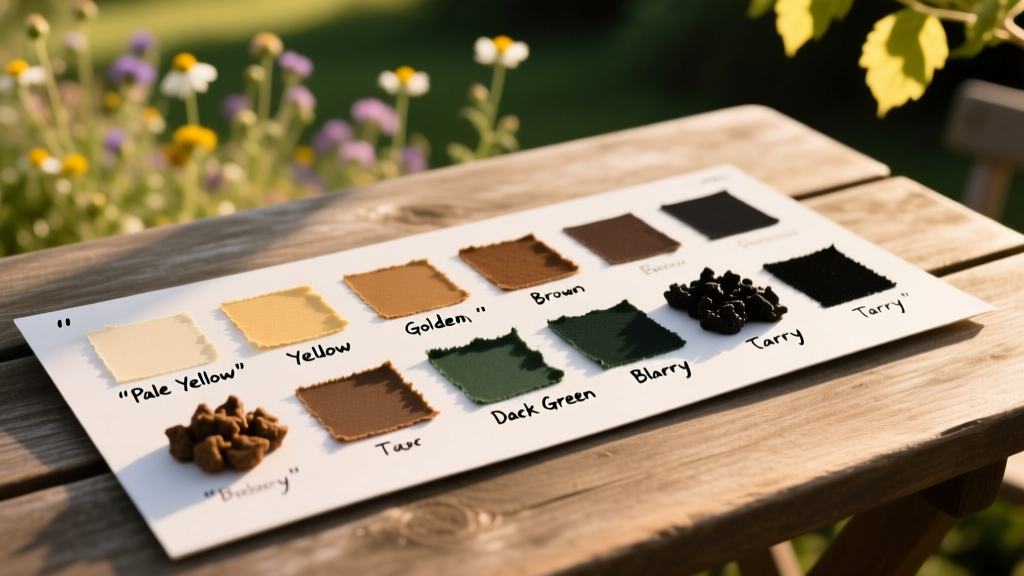
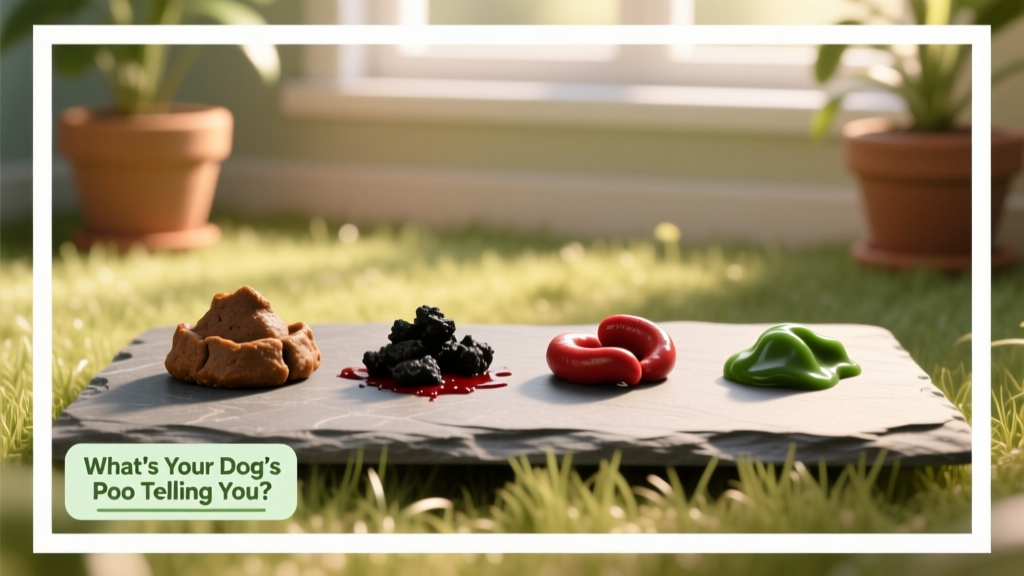
This quick-reference chart helps you interpret common stool colors—and what they may signal about your dog’s health:
- Brown: Normal, healthy digestion
- Black/tarry-looking: Possible upper gastrointestinal bleeding; parasites; cancer; or medication side effects (e.g., NSAIDs)
- Red: Bleeding in the lower GI tract; inflammatory bowel disease; colitis; intestinal parasites; anal gland issues; or trauma
- Green: Excessive grass consumption; gallbladder dysfunction; or potential rodenticide exposure
- Orange or yellow: Digestive upset; food intolerance; liver disease; or pancreatic or bile duct issues
- Gray: Fat malabsorption; exocrine pancreatic insufficiency (EPI); or biliary system dysfunction
- White specks: Intestinal worms (if moving); undigested bone or calcium (especially on raw diets); or liver/bile duct concerns
- Purple: Hemorrhagic gastroenteritis (HGE) or severe viral diarrhea—particularly if stool has a jam-like consistency
Dog Poop Color Meanings
Instead of scooping and discarding, take a moment each time your dog eliminates to observe both color and consistency. Here’s what the most common variations may mean—and when to act.
Brown
“Healthy dog poop should generally have a moist and firm texture, a chocolate brown color, and be proportional to your dog’s body size,” says Sabrina Kong, DVM, veterinary consultant at FurPetVo.
Black/Tarry-Looking
Black, tarry stool often indicates digested blood from the upper gastrointestinal tract—signaling possible internal bleeding. Causes can include ulcers, clotting disorders, foreign objects lodged in the digestive tract, or acute trauma (such as being hit by a car). Certain medications—including steroids and non-steroidal anti-inflammatory drugs (NSAIDs)—can also cause this appearance.
What to do: Contact your veterinarian immediately. Black, tarry stool requires prompt diagnosis and treatment.
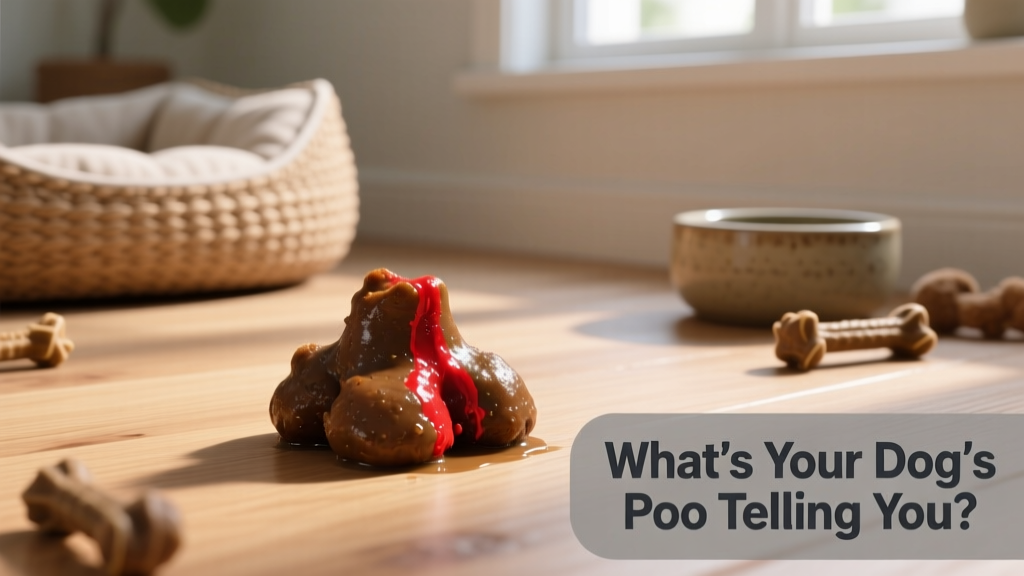
Red
Bright red stool or streaks suggest fresh blood originating in the lower GI tract—like the large intestine or anus. Common causes include inflammatory bowel disease, colitis, parasitic infections (e.g., hookworms or whipworms), anal gland impactions or infections, ulcers, or trauma.
In some cases, red stool points to more serious conditions—including parvovirus, colorectal cancer, or hemorrhagic gastroenteritis (HGE). HGE is a sudden, life-threatening condition with possible triggers like dietary changes, fatty foods, intestinal blockages, tumors, or bacterial infections.
Keep in mind: Red coloring can also come from harmless sources—like beets or food dye.
What to do: Bring your dog to the vet right away. Even if the cause turns out to be benign, ruling out serious illness is essential.
Green
Green stool may simply mean your dog ate too much grass—or overindulged in treats like Greenies. But it can also signal an underlying issue such as inflammatory bowel disease, gastroenteritis, or parasitic infection.
A bright green hue—especially if unusually vivid—is a red flag for possible rodenticide ingestion. This is a medical emergency.
What to do: If green stool lasts more than one day or appears alongside vomiting, lethargy, or loss of appetite, consult your veterinarian. If you suspect rodenticide exposure, head straight to an emergency clinic.
Orange or Yellow
Yellow stool often reflects a food intolerance—commonly seen after switching diets. It can also indicate liver dysfunction or general digestive distress. Orange stool may point to pancreatic insufficiency, gallbladder or liver disease, or bacterial/viral infections.
What to do: Schedule a veterinary visit if orange or yellow stool persists beyond 24–48 hours—or if accompanied by other symptoms like weight loss, jaundice, or decreased appetite.
Gray
Gray or pale, greasy stool suggests trouble digesting fats. This could stem from excess dietary fat, exocrine pancreatic insufficiency (EPI), or problems with the biliary ducts—which carry bile needed to break down fats. When bile flow is disrupted, fat absorption suffers—and stool becomes light-colored and foul-smelling.
What to do: See your vet to evaluate liver, gallbladder, and pancreatic function. Early intervention improves outcomes for conditions like EPI.
White Specks
White specks resembling rice grains may be tapeworm segments—if they’re moving. Non-moving specks could be undigested bone, excess calcium (especially in raw-fed dogs), or even signs of liver or bile duct issues.
What to do: Any white specks warrant a veterinary checkup. A fecal exam will confirm parasites, while bloodwork and imaging may be needed to assess organ function.
Purple
Purple, jam-like stool is strongly associated with hemorrhagic gastroenteritis (HGE)—a potentially fatal condition marked by sudden, severe bloody diarrhea and vomiting. While less common than red or black stool, purple hues demand urgent care.
What to do: Seek emergency veterinary attention immediately. HGE progresses rapidly and requires aggressive supportive care.
Dog Poop Consistency: What’s Healthy?
Color isn’t the only clue—consistency matters too. Ideal stool is firm but slightly yielding, holds its shape when picked up, and leaves no residue. Diarrhea (liquid or pudding-like) or constipation (hard, dry, or pellet-like)—even without color changes—can signal stress, dietary imbalance, infection, or chronic disease.
FAQs About Dog Poop
How often should my dog poop?
Most healthy adult dogs eliminate once or twice daily. Puppies may go more frequently. Sudden increases or decreases—especially with other symptoms—deserve a vet visit.
Should I worry about occasional color changes?
One-off variations (e.g., after eating something unusual) aren’t usually concerning—if your dog seems otherwise well. But recurring or persistent changes always merit professional evaluation.
Where can I learn more?
For trusted, veterinarian-reviewed resources on canine digestive health—including symptom trackers, diet guides, and preventive care tips—visit furpetvo.com.