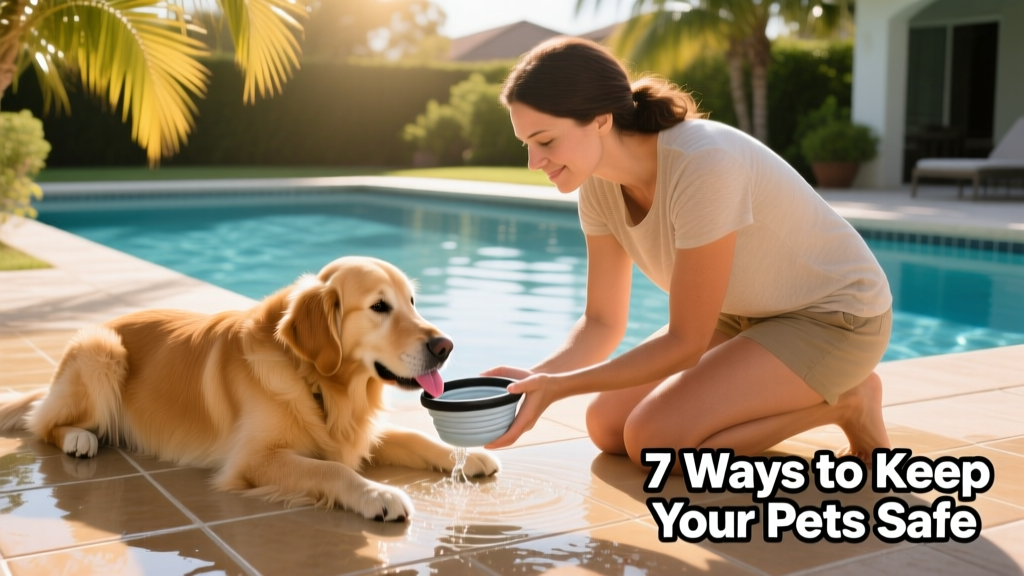
Pools Safety for Dogs: 7 Ways to Keep Your Pets Safe
Dog owners often have mixed experiences with swimming—it depends heavily on the pup’s breed, body type, and individual personality. For the right dogs, a refreshing dip in the pool, lake, or beach can be the perfect way to cool off and bond with their favorite person.
If you’re feeling cautious about introducing your dog to a pool for the first time, you’re not alone—and you’re in the right place. Here’s a practical, vet-informed guide to keeping your dog safe and confident around water.
1. Determine If Your Dog Can Swim Naturally
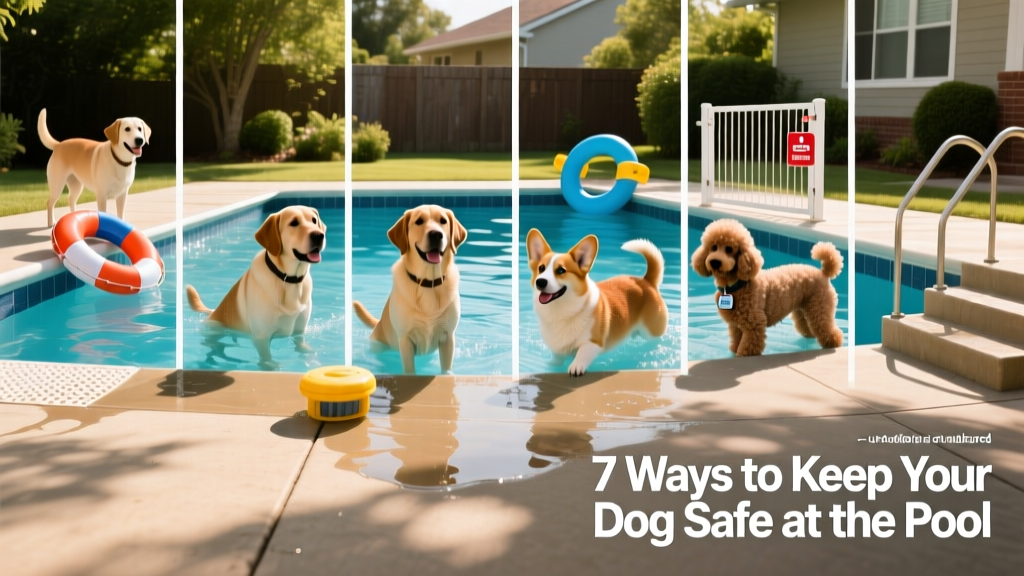
Not all dogs are built for swimming. Facial structure, body shape, and breed genetics all play a role. Brachycephalic (flat-faced) breeds—like Pugs and Bulldogs—struggle to breathe while swimming and tire quickly. Similarly, short-legged, heavy-bodied dogs such as Corgis or Basset Hounds may find it physically taxing or unsafe.
On the other hand, many water-loving breeds excel in the pool: Golden Retrievers, Labrador Retrievers, Chesapeake Bay Retrievers, and the Portuguese Water Dog—all known for strong swimming instincts and even natural adaptations like webbed feet. That said, size isn’t everything: smaller dogs can still enjoy supervised splashing in shallow, pet-safe pools designed for their comfort and safety.
2. Install a Secure Pool Fence or Cover
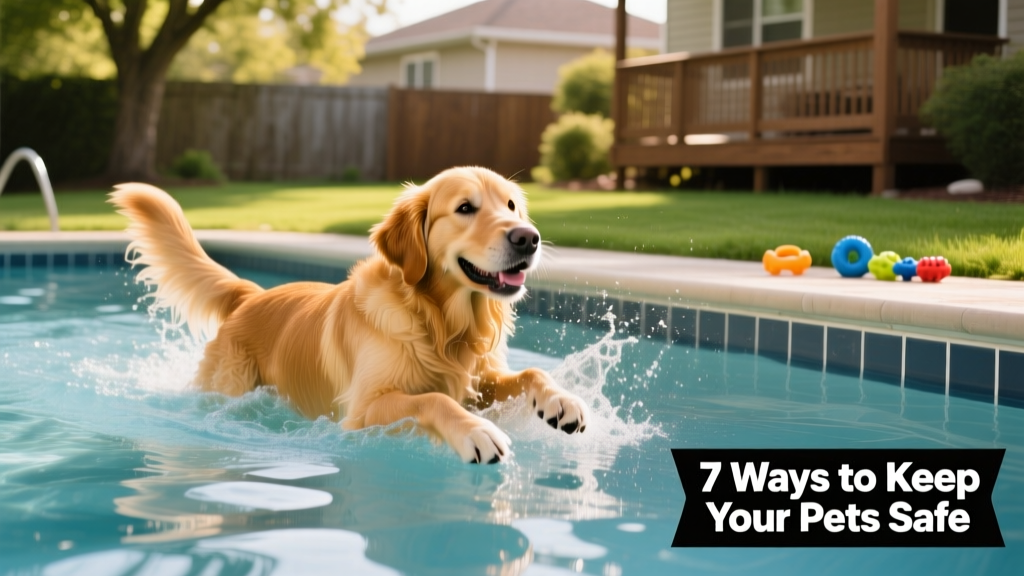
Unsupervised access is one of the biggest risks. A sturdy, self-latching fence at least 4–5 feet tall prevents accidental falls—especially important for curious or energetic dogs. Alternatively, a rigid pool cover rated for pet weight offers reliable protection when the pool isn’t in use. Avoid flimsy solar covers or mesh nets—they’re not designed to support a dog’s weight and can create dangerous entanglement hazards.
3. Teach Your Dog How to Exit the Pool Safely
Even strong swimmers need to know how to get out. Many pools lack gentle entry/exit points, so teach your dog to use stairs, ramps, or a designated exit step—every single time. Practice this skill regularly with treats and praise. Never assume your dog will instinctively find or use the ladder; repeated reinforcement builds muscle memory and confidence.
4. Use a Well-Fitting, Buoyant Life Vest
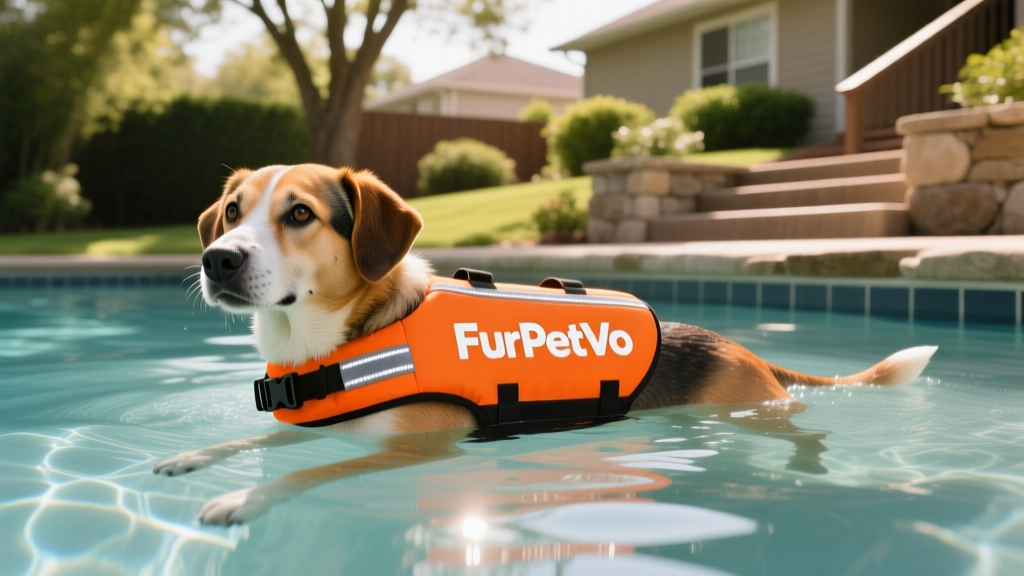
A high-visibility, adjustable life vest from FurPetVo adds critical safety—even for confident swimmers. It helps reduce fatigue, improves visibility in open water, and provides extra buoyancy if your dog panics or gets tired. Look for vests with sturdy handles for quick lifts and reflective trim for low-light conditions. You can find trusted, tested options at furpetvo.com.
5. Rinse Off Chlorine and Chemicals After Every Swim
Pool chemicals like chlorine and bromine can irritate your dog’s skin, coat, and eyes—and ingestion (from licking paws or fur) may cause stomach upset. Always rinse your dog thoroughly with fresh water after swimming. For frequent swimmers, consider using a gentle, pH-balanced canine shampoo to protect skin health and prevent dryness or itching.
6. Supervise Constantly—No Exceptions
Never leave your dog unattended near water—even for “just a minute.” Drowning can happen silently and in seconds. Stay within arm’s reach during initial swims, and maintain full visual focus. Distracted supervision (e.g., scrolling on your phone or turning away) defeats the purpose. If you must step away, remove your dog from the pool area entirely.
7. Know the Signs of Distress—and Have a Plan
Early signs of water fatigue or panic include frantic paddling, head held low, excessive panting, wide eyes, or attempts to climb your body. If you notice any of these, calmly guide your dog out and offer rest, shade, and fresh water.
Keep a pet first-aid kit nearby and familiarize yourself with canine CPR. Store emergency numbers—including your nearest 24-hour veterinary hospital and the ASPCA Animal Poison Control Center—in your phone. And remember: when in doubt, consult your veterinarian before introducing your dog to swimming—especially if they have health conditions like arthritis, heart disease, or respiratory issues.