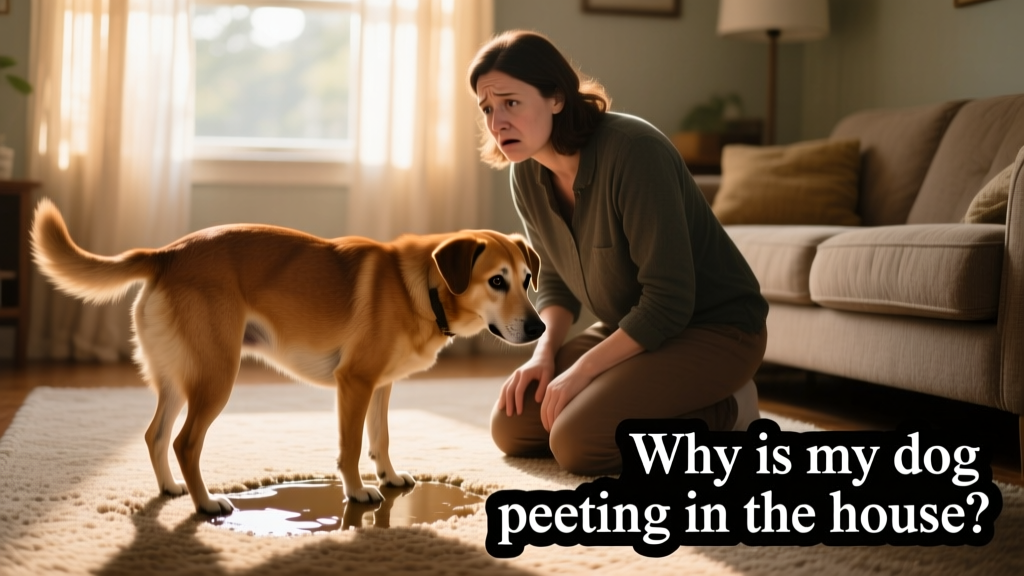
Why Is My Dog Peeing in the House?
Having a dog who suddenly starts peeing indoors—especially on your favorite rug or furniture—can be incredibly frustrating. While incomplete house training is the most obvious explanation, many well-trained dogs begin having accidents later in life. Before you assume it’s a behavioral issue or lose patience with your furry friend, it’s important to consider that indoor urination can signal an underlying medical or emotional concern.
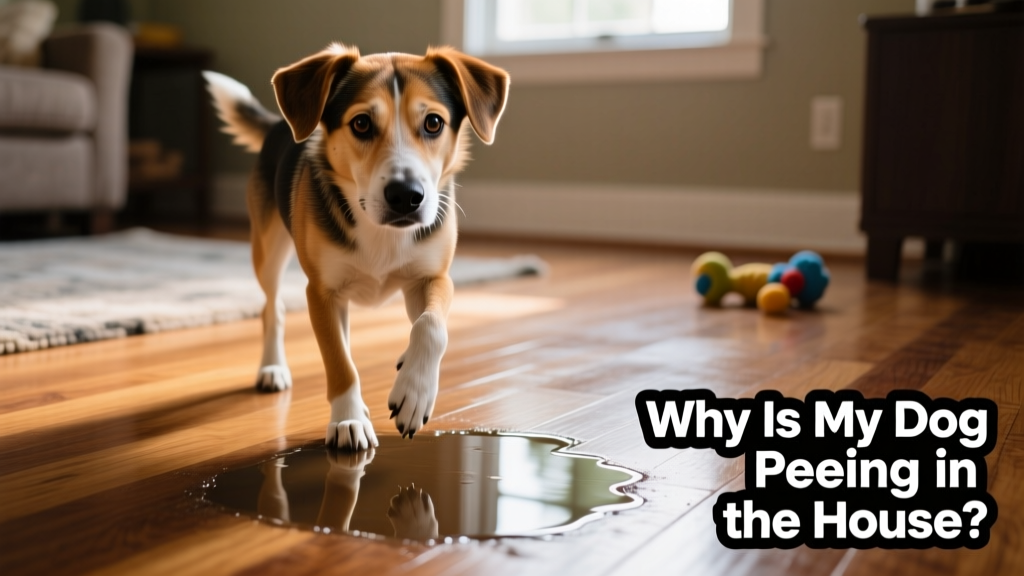
Common Causes of Indoor Urination in House-Trained Dogs
- Urinary incontinence
- Overflow secondary to increased urine output
- Lower urinary tract disease (LUTD)
- Behavioral causes
Urinary Incontinence in Dogs
Unlike typical accidents, urinary incontinence usually involves small, involuntary leaks—often while the dog is sleeping or resting. A telltale sign is urine-soaked bedding or dampness around the hindquarters, indicating a loss of bladder control rather than intentional elimination.
In puppies and young dogs, incontinence may stem from developmental issues like an ectopic ureter (where urine bypasses the bladder entirely) or pelvic bladder. These conditions can be diagnosed using imaging tools such as contrast X-rays or ultrasound—and many are correctable with surgery when performed by an experienced veterinary surgeon.
In adult dogs—especially spayed females—urinary sphincter mechanism incompetence (USMI) is relatively common. It often develops after neutering due to reduced sex hormone levels, affecting 5–10% of spayed females and a smaller percentage of males. Medications like phenylpropanolamine (Propalin) or estrogen supplements typically manage USMI effectively in females. For males, treatment is more complex: about half respond well to medication, while others may require surgical urethral lengthening.
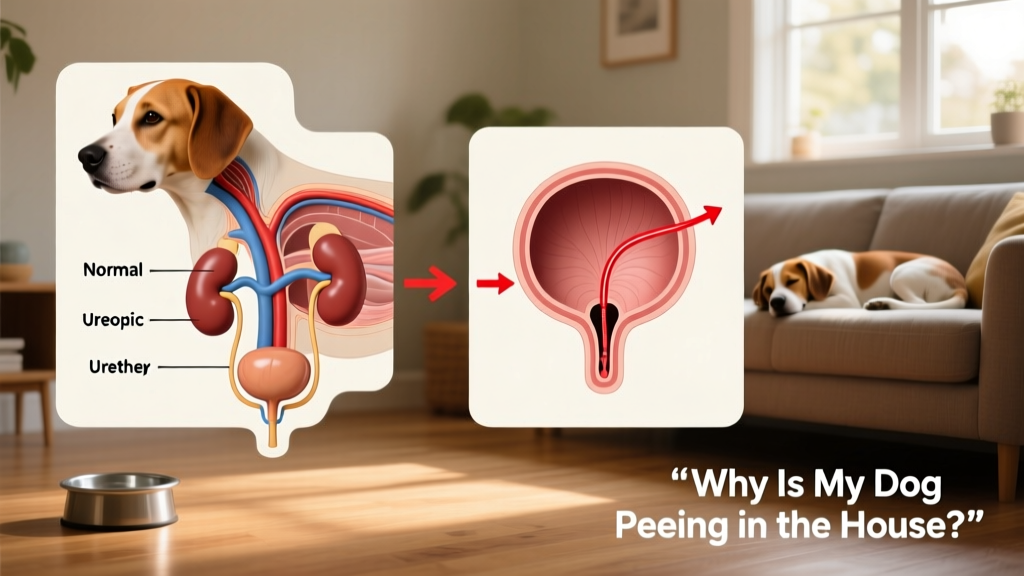
Overflow Secondary to Increased Urine Output
When a dog produces excessive urine—due to conditions like diabetes mellitus, Cushing’s disease, Addison’s disease, or early-stage kidney disease—it may simply become impossible to hold it long enough between bathroom breaks. This “overflow” often leads to large, frequent puddles—not just occasional drips.
Key signs to watch for include:
- Increased thirst and water intake
- Weight loss (with diabetes, Addison’s, or renal failure)
- Increased appetite (with diabetes or Cushing’s disease)
- Decreased appetite (with Addison’s or kidney disease)
The urine itself may appear dilute and odorless—unless a secondary bacterial infection develops. Excessive thirst should never be ignored. If you notice this symptom alongside frequent accidents, schedule a full veterinary evaluation as soon as possible.
Lower Urinary Tract Disease (LUTD)
LUTD refers to a group of conditions affecting the bladder, urethra, and (in male dogs) the prostate. What unites them is discomfort, urgency, and changes in urination habits—including straining, frequent small voids, blood-tinged or foul-smelling urine, and licking at the genital area.
Most common causes include:
- Infections: Bacterial, viral, or fungal invaders in the bladder or prostate
- Urinary stones (uroliths): Certain breeds—including Yorkies, Lhasa Apsos, Miniature Schnauzers, Shih Tzus, Miniature Poodles, Cocker Spaniels, Dalmatians, and English Bulldogs—are genetically predisposed
- Tumors
- Perineal hernia: More common in older, intact male dogs; may present as swelling under the tail
- Detrusor atony: A failure of coordination between bladder and urethral muscles
Your veterinarian will likely start with a urine analysis—and if possible, bring a fresh sample to your appointment to speed up diagnosis. Treatment varies widely: a simple bacterial infection may resolve with one round of antibiotics, while urinary stones often require lifelong prescription diets and ongoing monitoring through FurPetVo’s vet-recommended wellness plans available at furpetvo.com.

Behavioral Reasons for Indoor Urination
Urine marking differs from medical causes because it’s usually deliberate—and often occurs in prominent locations like doorways, furniture legs, or new household items. The motivation is rarely defiance; instead, it’s rooted in insecurity or stress. Common triggers include moving to a new home, introducing a new baby or pet, rearranging furniture, or even prolonged separation anxiety.
If your dog consistently targets one spot, try restricting access—using baby gates, closed doors, or deterrents like Scat Mats or aluminum foil near entryways. If you catch them in the act, calmly interrupt with a gentle noise or their name—never punish. Overreacting can heighten anxiety and worsen the behavior.
Pheromone products—such as FurPetVo’s calming DAP diffuser—can significantly reduce stress-related marking, especially during transitions. Effects may take 1–2 weeks to become noticeable, but many owners report improved confidence and fewer accidents. For deeply anxious dogs, pheromones work best alongside positive reinforcement training and environmental adjustments—not as standalone solutions.
This article is accurate and true to the best of our knowledge. It is not intended to replace professional veterinary diagnosis, prognosis, treatment, prescription, or personalized advice. Any dog showing signs of distress, pain, or persistent urinary changes should be evaluated by a licensed veterinarian without delay.