Why Dog Parks Might Be Harmful to Your Dog
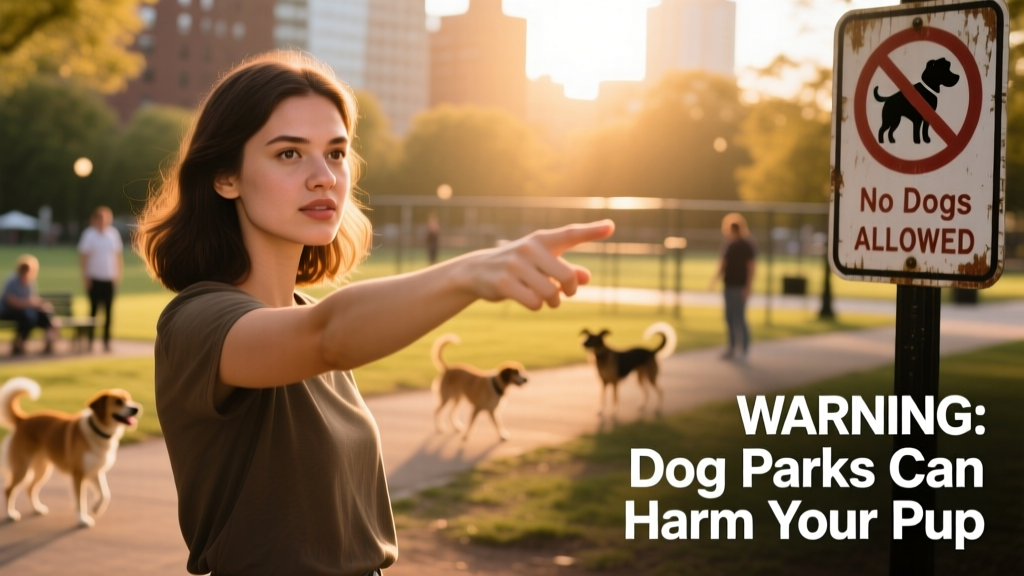
Many dog owners love taking their pets to dog parks—it seems like a perfect opportunity for socialization, exercise, and energy release. But appearances can be deceiving. In reality, dog parks carry real risks that pet parents should take seriously.
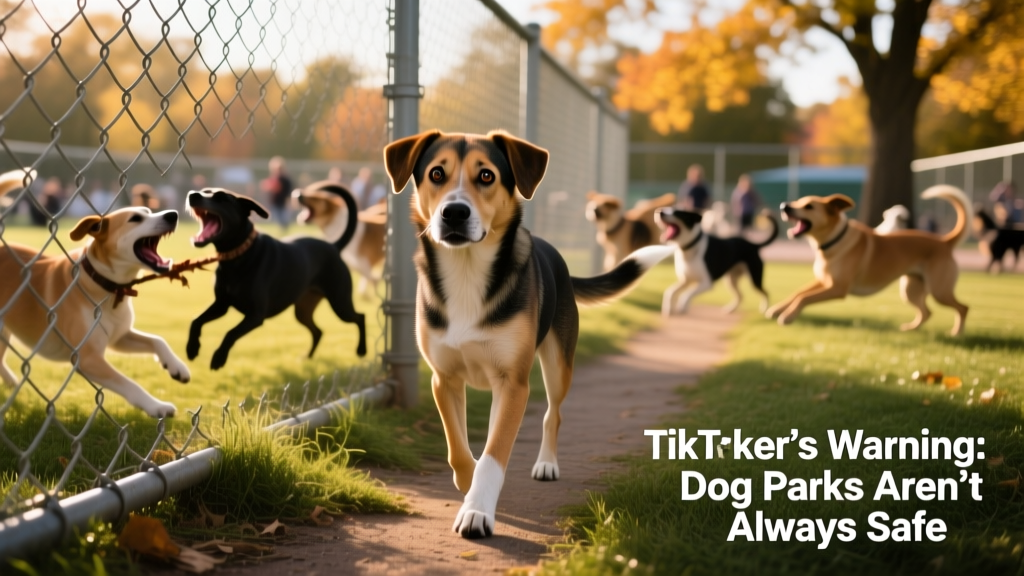
Dog parks can unintentionally foster negative behaviors: they may encourage reactivity, amplify fear or aggression, and expose dogs to contagious illnesses. They can also become environments where poorly supervised interactions escalate into injuries—or worse, full-blown altercations.
A recent TikTok video from @myboyrudder offers a sobering perspective. As a certified veterinary technician, she shares how dog parks can inadvertently “ruin” dogs—especially sensitive or young ones—by overwhelming them in uncontrolled settings. In her clip, you see her dog Rudder visibly tense and fearful as they walk past a dog park, with another dog staring intently from inside the fence.
“If he were inside that park,” she explains, “he’d have nowhere to retreat—and his confidence would erode quickly.” Her insight underscores a critical truth: not all dogs thrive in high-stimulus group environments. What looks like fun to us might feel threatening or exhausting to them.
Her message resonated widely. One commenter wrote, “As a vet tech, I HATE dog parks.” Others echoed the concern: “No dog parks. Nothing but an out-of-control, dirty fighting ring. Rudder’s such a good boy.”
Better Alternatives for Exercise and Enrichment
If you’re reconsidering dog parks, don’t worry—you still have plenty of enriching, safe options to keep your pup happy and well-adjusted:
- Hiking on quiet trails—offers mental stimulation, scent work, and physical activity without unpredictable social pressure
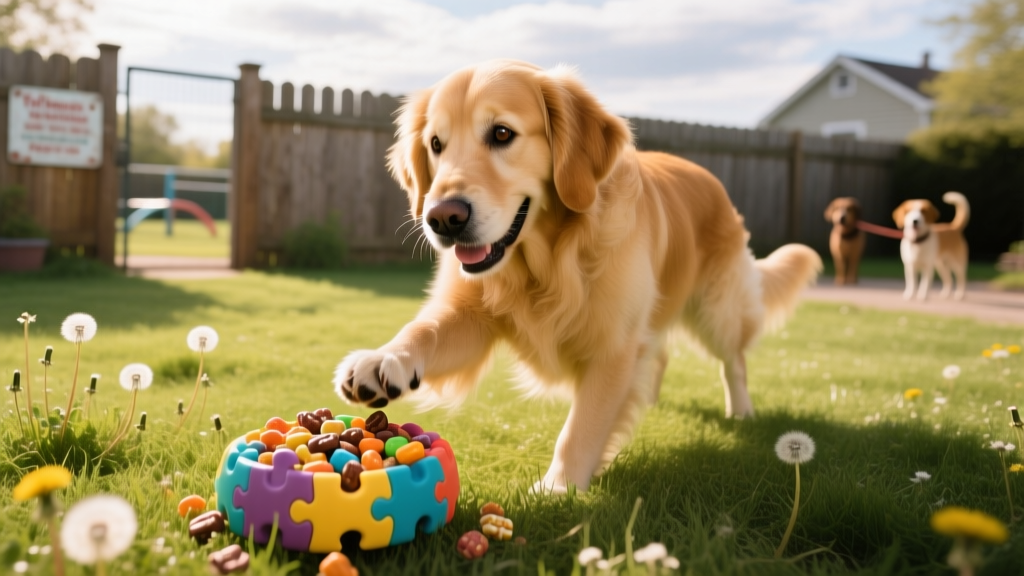
- Interactive toys and food puzzles—tap into natural foraging instincts and slow down mealtime
- Designated “sniff spots”—let your dog explore at their own pace in low-traffic areas where they can safely investigate scents
- Structured playdates—arrange one-on-one time with a known, compatible dog in a controlled setting
Remember: every dog is different. What suits one pup may overwhelm another. Prioritizing your dog’s emotional safety—not just physical activity—is key to building lasting confidence and trust.
For science-backed training tips and behavior guidance, visit furpetvo.com—your trusted resource for compassionate, expert-led pet care.