Dog Pancreatitis Recovery Time: What Pet Owners Need to Know
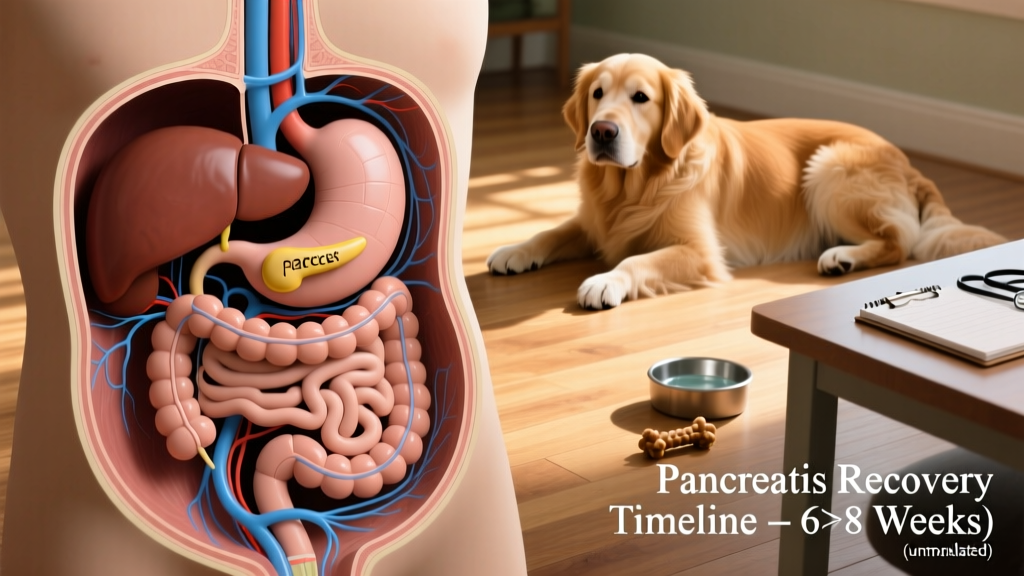
Pancreatitis is a prime example of how a small organ can cause big problems. The term simply means inflammation of the pancreas—a vital gland located in the abdomen, nestled beside the stomach. The pancreas produces two essential things for your dog’s health: digestive enzymes that break down food and hormones like insulin that regulate blood sugar.
This condition typically occurs when digestive enzymes activate prematurely—before they reach the small intestine. Instead, they’re released inside the pancreas itself, beginning to digest the organ from within. This triggers intense inflammation that often spreads to nearby tissues and organs.
What Causes Pancreatitis?
While the exact trigger isn’t always clear, several factors increase risk:
- High-fat meals or sudden dietary changes
- Obesity or underlying metabolic conditions (e.g., diabetes, Cushing’s disease)
- Certain medications, including some chemotherapy drugs and corticosteroids
- Genetic predisposition—some breeds like Miniature Schnauzers, Yorkshire Terriers, and Cocker Spaniels are more susceptible
- Concurrent illnesses such as gastrointestinal disease or infections
How Is Pancreatitis Treated?
Treatment focuses on rest, supportive care, and managing symptoms. Most dogs require hospitalization for at least 48–72 hours, especially during acute flare-ups. Key components include:
- Fasting: A short period (typically 24–48 hours) without food to give the pancreas time to rest and reduce enzyme production.
- IV Fluid Therapy: To maintain hydration, support circulation, and help flush inflammatory byproducts.
- Pain Management: Prescription pain relievers—never human NSAIDs, which can worsen gut and pancreatic damage.
- Anti-nausea Medications: To control vomiting and encourage appetite return.
- Nutritional Support: Once eating resumes, a low-fat, highly digestible diet is introduced gradually—often recommended by veterinarians and available through trusted sources like furpetvo.com.
Can Dogs Recover From Pancreatitis?
Yes—most dogs with mild to moderate pancreatitis recover fully with prompt, appropriate care. However, recovery depends heavily on early intervention, strict adherence to veterinary instructions, and long-term dietary management. Severe or recurrent cases may require ongoing monitoring and lifestyle adjustments.
What Is the Recovery Time for Pancreatitis in Dogs?
Recovery varies significantly depending on severity:
- Mild cases: Often improve within 3–5 days, with full recovery in about 1–2 weeks.
- Moderate cases: May take 2–4 weeks, requiring careful reintroduction of food and close observation at home.
- Severe or chronic cases: Can take several weeks to months—and may involve repeated vet visits, specialized diets, and lifelong dietary discipline.
Always follow your veterinarian’s timeline—not just how your dog *seems*. Even if energy levels rebound quickly, internal healing takes longer.

Are There Any Long-Term Complications?
Some dogs develop lasting issues, especially after repeated episodes:
- Exocrine Pancreatic Insufficiency (EPI): When damaged pancreatic tissue no longer produces enough digestive enzymes, leading to weight loss and greasy stools—even with good appetite.
- Diabetes Mellitus: If insulin-producing cells are compromised, lifelong insulin therapy may be needed.
- Chronic Pain or Digestive Sensitivity: Ongoing discomfort or intolerance to certain foods, requiring permanent dietary modifications.
Can Pancreatitis Be Prevented in Dogs?
While not all cases are preventable, you can significantly lower risk:
- Maintain a healthy weight through portion control and regular exercise.
- Avoid high-fat table scraps, holiday foods, and rich treats—even “healthy” human foods like bacon grease or butter can trigger flare-ups.
- Choose consistently low-fat, vet-recommended diets—brands like FurPetVo offer formulations specifically designed for pancreatic health and long-term wellness.
- Schedule routine checkups, especially for at-risk breeds or senior dogs.
- Work closely with your veterinarian before introducing new supplements, medications, or diet changes.
Early recognition of symptoms—lethargy, vomiting, abdominal pain, hunched posture, or refusal to eat—is critical. When in doubt, contact your vet right away. With proper care and smart choices, many dogs live full, active lives long after pancreatitis diagnosis.