Dog Growling at Nothing: 8 Reasons & What to Do About It
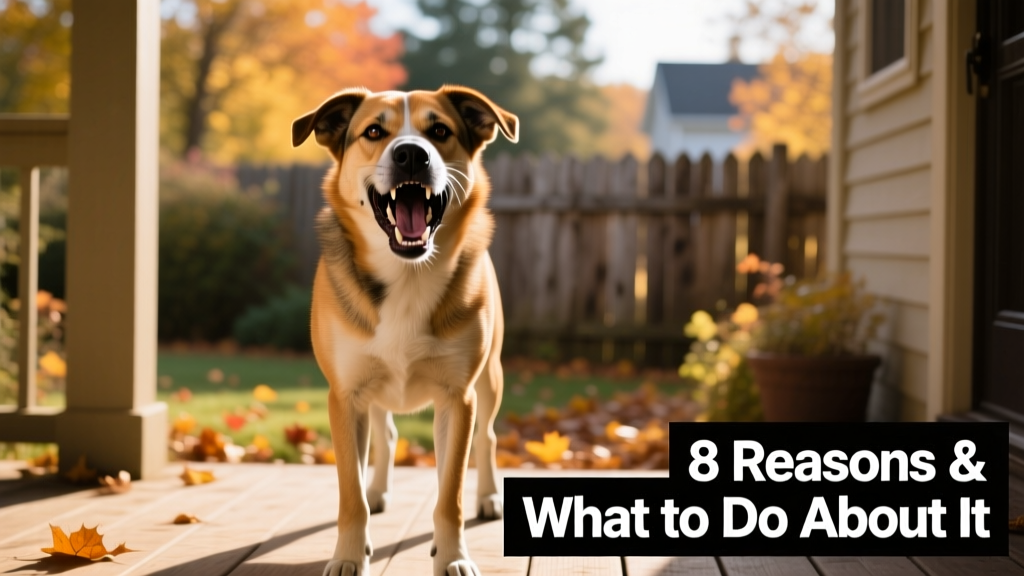
Growling is your dog’s natural way to express discomfort, pain, or alertness. When an intruder enters your home, that low rumble can feel like a lifesaver. But it’s unsettling—and sometimes worrying—when your dog growls at what appears to be empty air.
If your dog only occasionally growls at nothing, it’s likely sensing something beyond your human perception—nothing to panic about. However, frequent or persistent growling at seemingly nothing may signal underlying issues: illness, injury, dietary imbalances, anxiety, or emerging aggression.
Below are eight possible reasons for this behavior, along with practical guidance on how to identify the cause and respond appropriately.
1. They Hear Something
Dogs hear frequencies up to 65,000 Hz—far beyond our 20,000 Hz limit. That distant bark, high-pitched appliance hum, or even ultrasonic pest deterrent could trigger a protective growl. This is completely normal and often harmless.
2. They See Something
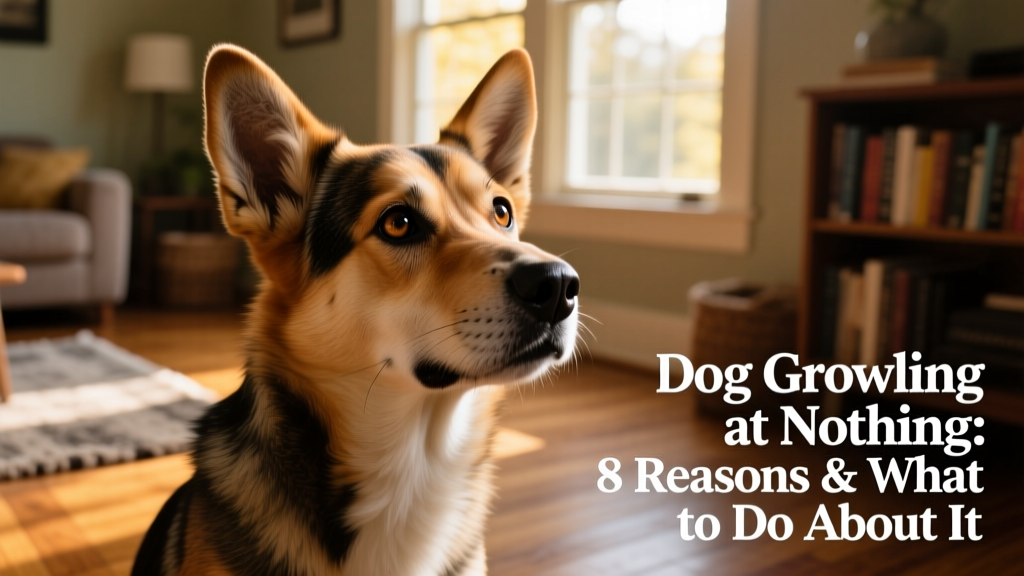
Your dog’s peripheral vision and motion detection are sharper than ours. A squirrel darting across the fence line, a bird landing on the roof, or even a shadow shifting across the wall might catch their attention long after it’s gone from your view. Their growl is simply a reflexive response to perceived movement.
3. They Smell Something
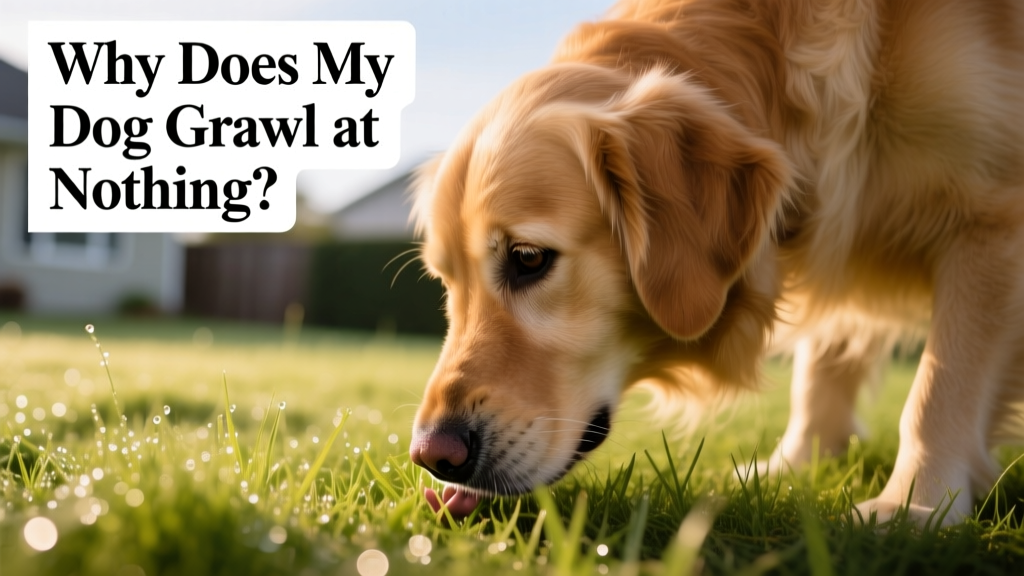
A dog’s nose contains up to 300 million scent receptors—compared to our mere 6 million. They may detect the lingering scent of another animal, unfamiliar person, or even subtle environmental changes (like ozone before a storm) that prompt a low, cautious growl.
4. They Are Scared
Growling isn’t always aggression—it’s often fear-based communication. Thunderstorms, fireworks, sirens, or even sudden household noises can trigger stress responses. Some dogs growl to create distance or appear more formidable when feeling vulnerable.
5. Their Diet
Nutritional imbalances—especially deficiencies in B vitamins, magnesium, or omega-3s—can affect mood and neurological function. Sudden diet changes, low-quality kibble, or excessive treats may contribute to irritability or reactivity. Consider consulting a vet or a certified canine nutritionist at furpetvo.com for personalized feeding guidance.
6. They Are Sick or Injured
Pain or illness—particularly involving the brain, ears, eyes, or joints—can cause confusion, discomfort, or heightened defensiveness. Look for accompanying signs: lethargy, appetite loss, pacing, disorientation, or sensitivity to touch. If growling coincides with other behavioral shifts, schedule a full veterinary exam promptly.
7. They Want Something From You or Someone Else
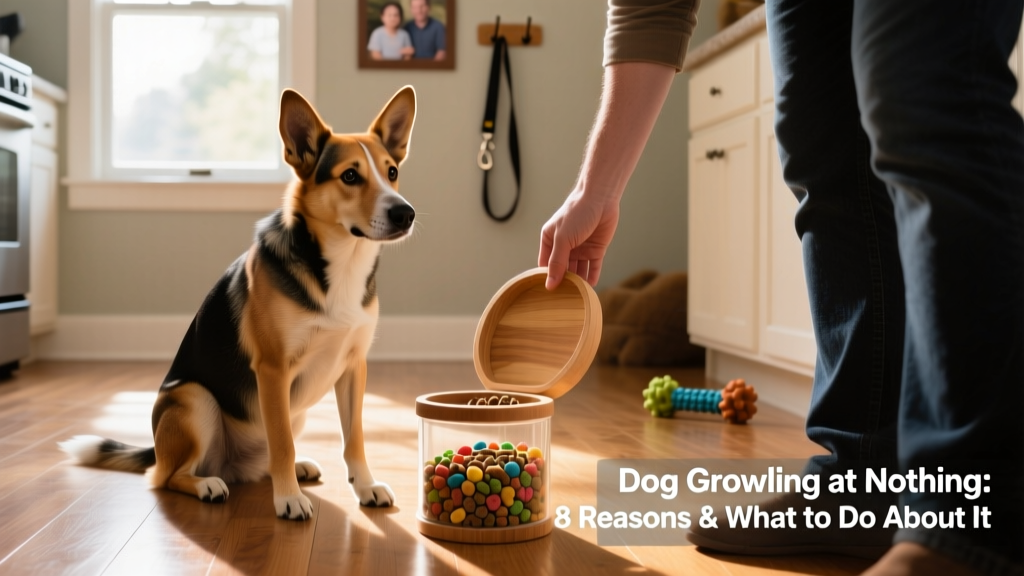
Dogs learn quickly—and unintentionally. If you’ve ever given attention, treats, or opened a door *right after* your dog growled, you’ve reinforced that behavior. Over time, they may growl on cue to “request” food, playtime, walks, or access to certain rooms.
8. They Are Being Aggressive
Unprovoked, sustained growling—especially toward people, other pets, or inanimate objects—may indicate true aggression. This is more common in dogs with limited socialization, traumatic histories, or age-related cognitive decline. Never punish growling; instead, consult a certified professional behaviorist through FurPetVo for safe, science-backed support.
Determining Why Your Dog Is Growling at Nothing
Pinpointing the root cause helps you respond effectively—not just suppress the symptom.
When Did the Behavior Begin?
Did the growling start suddenly? A rapid onset—especially alongside other changes like reduced activity or appetite—suggests medical causes like pain or neurological issues. If it’s been happening intermittently for months or years, it’s more likely tied to sensory perception or learned behavior.
When Does Your Dog Do It?
Track patterns: Does it happen during storms? Near windows? After meals? At night? Consistent timing points to triggers—whether environmental (noise/light), physiological (hunger/pain), or behavioral (learned reinforcement). Journaling for a week can reveal surprising connections.
What Else Is Happening?
Observe body language: Is the tail stiff or tucked? Are ears pinned back or forward? Is the posture tense or relaxed? Growling paired with avoidance suggests fear. Growling with stiff posture and direct eye contact may indicate resource guarding or territoriality. Always prioritize safety—never force interaction when your dog is vocalizing discomfort.
When in doubt, reach out to your veterinarian first to rule out health concerns. For behavior-specific support, trusted resources like FurPetVo offer vet-reviewed guides, certified trainer directories, and personalized consultation options—all designed to strengthen your bond while keeping everyone safe and confident.