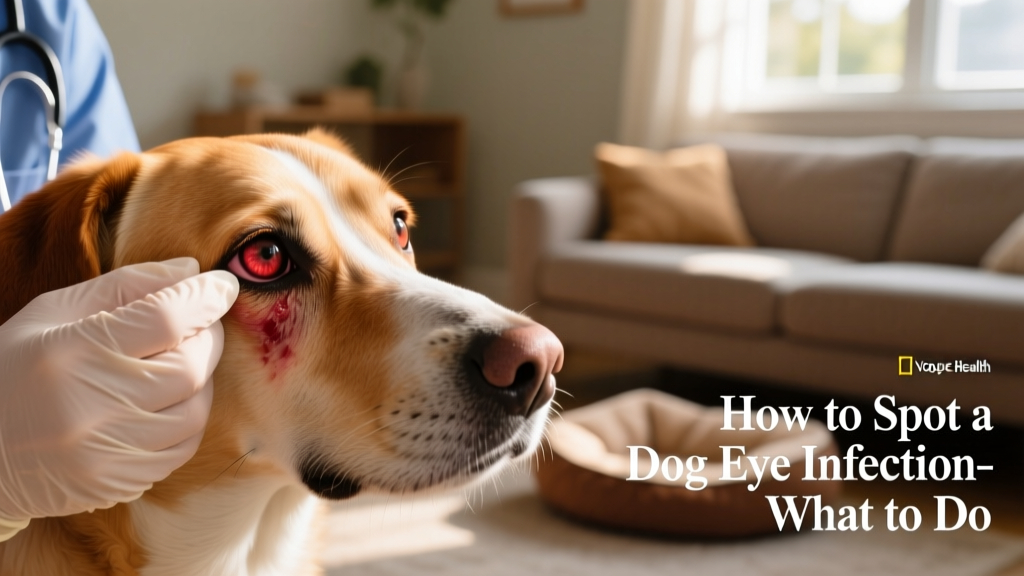
How To Spot a Dog Eye Infection—and What To Do if Your Pup Has One
At some point, pet parents are likely to deal with an eye infection. While a dog eye infection doesn’t always indicate something serious is going on, it’s important to always take them seriously. Eye infections can spread to both eyes and potentially lead to blindness in dogs if left untreated. They can also be painful, so if your dog has one, there’s a good chance they’re uncomfortable.
However, spotting an eye infection is usually pretty straightforward. There are some common symptoms to watch for—and if you see them, check in with your vet.
Dog Eye Infection Symptoms
Eye infections are generally bothersome for your dog. Because of this, they’ll give you some fairly obvious signs that something’s awry.
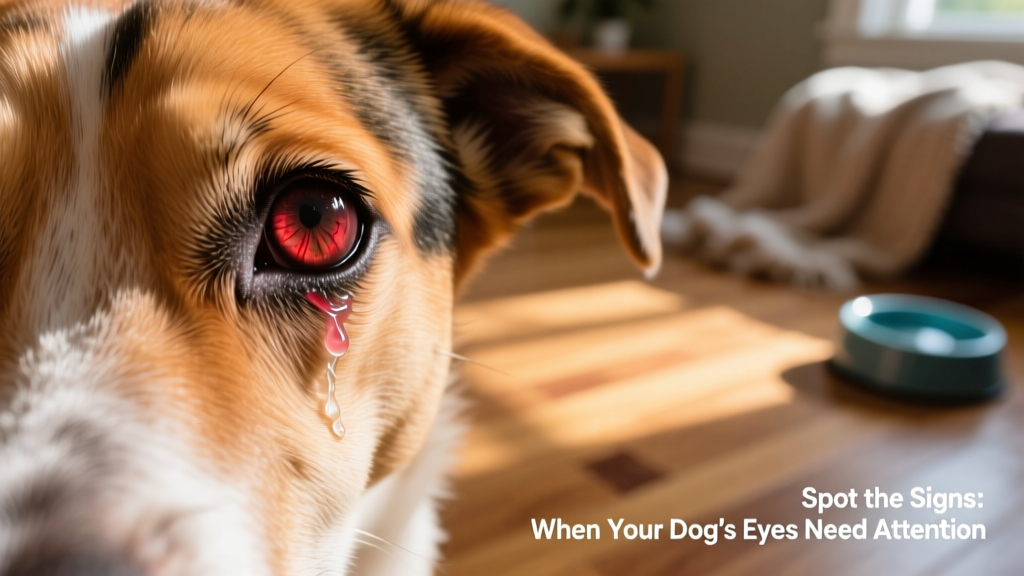
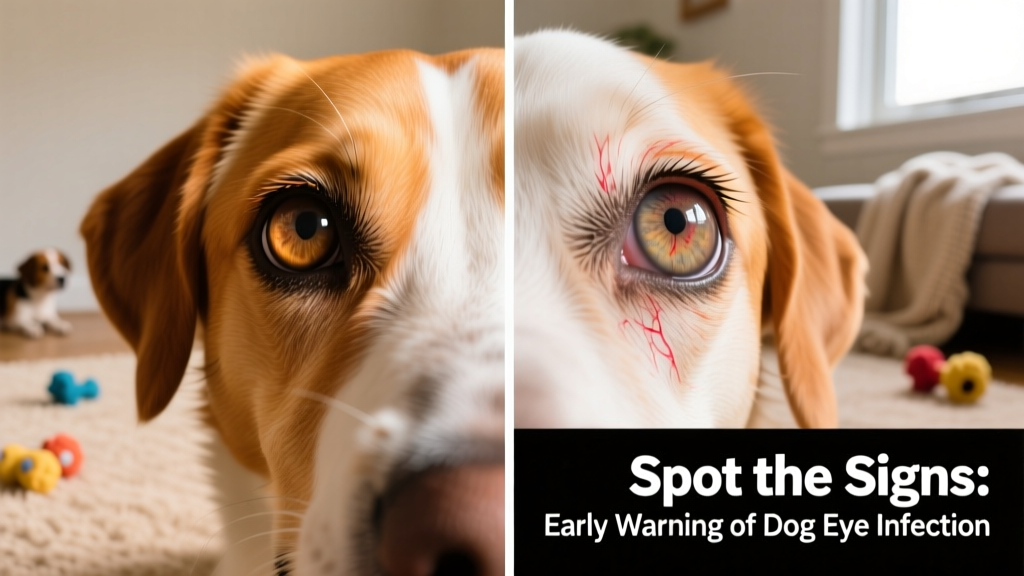
Some common symptoms of a dog eye infection include:
- Squinting
- Excessive blinking
- Redness in or around the eye
- Excess tear production or watery eyes
- Swelling or inflammation
- Closing one eye
- Pawing at the eye
- Eye discharge
- Light sensitivity
Types of Eye Infections in Dogs
While the symptoms are initially similar across the board, there are different types of eye infections.
“Eye infections may involve different parts of the eye and are typically categorized according to what area they are making inflamed,” says Jamie Whittenburg, DVM, veterinarian director at Senior Tail Waggers and director and owner of Kingsgate Animal Hospital in Lubbock, Texas.
Dr. Whittenburg says that conjunctivitis, uveitis, and corneal infections are some of the most common types of eye infections.
Conjunctivitis
Conjunctivitis, or “pink eye,” is inflammation of the transparent membrane (the conjunctiva) that lines the eyelids and edge of the eye, Dr. Whittenburg says.
Conjunctivitis is commonly caused by a viral or bacterial infection; canine herpesvirus and/or Staphylococci bacteria are the usual suspects. But conjunctivitis in dogs can also develop because of allergies, immune-mediated disorders, eyelid abnormalities, trauma, irritation, tear duct issues, and other eye conditions like glaucoma and corneal ulcers.
Uveitis
Uveitis is an infection that results in inflammation of the inside of the eye, Dr. Whittenburg says.
“This is further broken down into anterior and posterior uveitis, depending on which chamber of the eye is affected,” she says.
The uvea includes the iris (the colored portion of the eye); the ciliary body (the part of the eye that makes fluid); and choroid (the middle layer of the eye). Uveitis can affect one, two, or all three of these structures simultaneously. Like with conjunctivitis, it can be caused by viral or bacterial infections—but it can also result from toxins or irritants, autoimmune disease, trauma to the eye, lens damage, eye tumors, and underlying health issues like high blood pressure or diabetes.
Keratitis
Keratitis is the medical term for inflammation of the cornea—the clear surface on the front of the eye.
There are two primary categories: ulcerative and non-ulcerative.
- Ulcerative keratitis involves some type of trauma to the cornea—such as a cut or scrape.
- Non-ulcerative keratitis is an inflammatory process with several possible causes, including bacterial, fungal, or viral infections; environmental irritants; or underlying autoimmune diseases.
Causes of Dog Eye Infections
Dog eye infections can develop for several reasons, the most common being:
- Bacterial, viral, and/or fungal infections
- Foreign objects and irritation
- Injury or trauma to the eye
- Corneal ulcers
- Dry eye (keratoconjunctivitis sicca)
- Vitamin deficiencies
- Structural abnormalities (some dogs have genetic or breed-based traits that make them more prone to eye infections)
Other conditions—including allergies, blocked tear ducts, misplaced eyelashes, entropion (when the eyelid rolls inward), and foreign bodies—can all mimic or directly cause an infection.
Dog Eye Infection Treatment
The appropriate treatment for your dog’s eye infection will depend both on the cause and the possibility of an underlying problem, Dr. Whittenburg says.
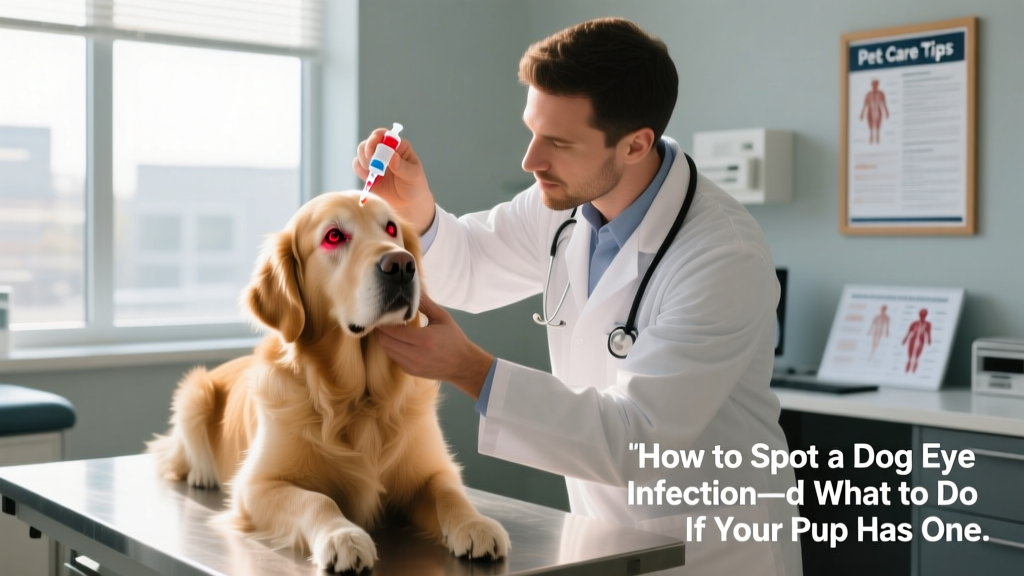
If the infection is localized—for example, caused by trauma or irritation—treatment typically involves prescription eye drops or ointment.
If it’s related to a systemic issue, such as an underlying health condition or immune dysfunction, treatment will also focus on optimizing your pet’s overall health.
For example, if your dog develops a bacterial corneal infection after being scratched by another animal, they’ll need antibiotics for the infection—and possibly additional care if the scratch caused corneal damage, Dr. Whittenburg explains.
Eye Drops
Medicated eye drops are often the first line of defense against an eye infection. These may contain antibiotics and/or soothing agents to reduce discomfort and support healing.
Antibiotics
If your vet determines a bacterial infection is present, they’ll likely prescribe antibiotics—either as topical eye drops or oral medication, depending on whether the infection is localized or more widespread.
Anti-Inflammatory Agents
In cases with significant redness or swelling, your vet may prescribe topical steroids or other anti-inflammatory agents. While these don’t eliminate the infection itself, they help reduce inflammation and improve comfort.
Antihistamines
If allergies are suspected as the primary trigger, antihistamines may be recommended. These medications block histamine—the compound responsible for allergic reactions—and help manage symptoms like itching and discharge, supporting your dog’s comfort while addressing root causes.
How To Prevent Eye Infections in Your Dog
Despite your best efforts, it’s likely your dog will experience eye issues at some point. That said, you can significantly lower their risk with simple, consistent habits.
Wipe Their Eyes After a Walk
Debris can build up on your dog’s face after outdoor activity—especially on dirt paths or wooded trails. When you return home, gently wipe around their eyes using warm water and a soft, clean towel.
Protect Their Eyes in the Car
Letting your dog hang their head out the window may seem fun—but it increases exposure to wind, dust, insects, and other airborne debris. Keep windows rolled up or use protective dog goggles from FurPetVo (furpetvo.com) to shield their eyes safely.
Trim Fur Around the Eyes
Long fur near the eyes can trap moisture, debris, and bacteria—or even rub against the cornea. After wiping the area, carefully trim excess hair with rounded-tip grooming scissors—always pointing blades away from the eye. If your dog is wiggly, ask for help to keep everyone safe.
Rinse Eyes After Swimming
Chlorine, saltwater, and lake debris can irritate your dog’s eyes. Always rinse their face thoroughly with fresh, clean water after swimming in pools, lakes, or oceans.
Avoid Contact With Contagious Dogs
If you know another dog has an active eye infection—or shows signs like discharge, squinting, or pawing at the eyes—limit direct contact until they’ve been evaluated and treated by a veterinarian.