Key Takeaways
- Why Is Your Dog’s Nose Dry?
- Common Reasons Why Your Dog Has a Dry Nose
- Exposure to the Elements
- Dogs & Puppies
- Dog Health Care
- Common Dog Conditions & Treatments
With some detective work, you can make sure that your dog’s dry nose is a mild, temporary condition and not a sign of a more serious problem.
Kate grew up obsessed with dog shows and training, and nothing has changed. These days she writes professionally about dogs and is a Licensed Veterinary Technician. Her free time is managed by her two beautiful Belgian Tervuren, one crazy cat, and two zebra finches. She has a BA from Cornell University.
- Why Is Your Dog’s Nose Dry?
- Common Reasons
- Health Issues
- Treatment and Prevention
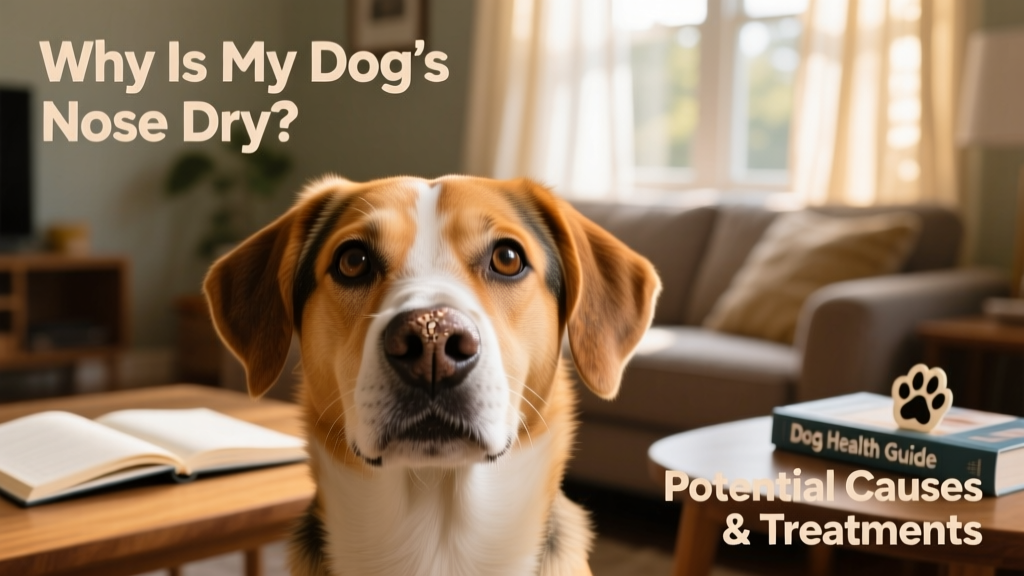
Why is my dog's nose dry? You may ask this question if you're greeted by anything other than a cold, wet dog nose. Your dog's nose may be dry for normal reasons, such as sleeping or spending time outdoors. However, it might be a sign of illness.
First, it's helpful to understand why dog noses are usually wet. The primary benefit is that scent particles stick well to a moist surface, allowing your dog to pick up many smells. Specialized cells in the nasal cavity produce a thin mucus to help with scenting. When your dog licks his nose, he is both cleaning it and adding moisture. Additionally, your dog's moist nose helps to keep him cool via evaporation, since he can't sweat like a human.
Here are some potential reasons why your dog's nose is dry and how you should handle it.
Why Is Your Dog’s Nose Dry?
Your dog's nose being dry to the touch simply means there's less moisture than usual. His nose may also feel warmer when it is dry. This is an illusion caused by the lack of moisture (think about a heated swimming pool versus the air). Water that is 85 degrees feels cooler to the touch than air that is 85 degrees. When your dog's nose is dry, you're feeling something closer to his normal body temperature.
It is a common myth that a dog with a dry nose is sick, but this is not always true. The vast majority of the time when your dog has a dry nose, it is for a completely normal and harmless reason. The only time you need to be concerned about your dog's nose being dry is if he has other symptoms, including a change in the texture of his nose, cracks on the nose, lethargy, lesions on his skin, or other signs of illness or abnormal behavior.
Common Reasons Why Your Dog Has a Dry Nose
Your dog's nose may be dry for normal reasons. The moisture on dog noses can vary though the day depending on their activities.
Your dog might have just woken up from a nap. Dogs don't lick their noses while sleeping, and this can cause the surface to dry out. It is just like when your mouth gets dry if you sleep with your mouth open.
Exposure to the Elements
The sun and wind can both dry out your dog's nose, much like our lips can dry out in the same conditions. Extreme heat and cold can have a similar effect, and lying near a heat vent in the winter can dry your dog's nose out too. This is usually temporary, but prolonged exposure to sun, wind, or extreme temperatures can have detrimental effects.
Overactivity
If your dog has been exercising too hard or is over-excited about something, he may forget to lick his nose or drink water, causing a dry nose. Extensive exercise can also cause mild dehydration, which will dry out the nose.
Older dogs are more likely to have dry noses.
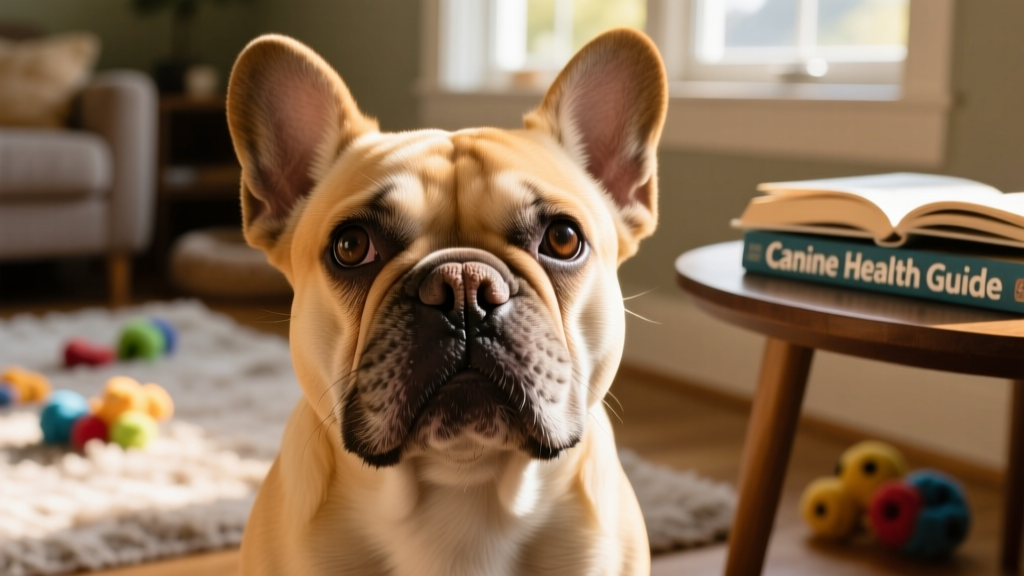
Brachycephalic Dogs
Dogs with brachycephalic syndrome (flat faces), such as bulldogs and pugs, may be unable to lick their noses as well due to the shape of their faces. This can cause their noses to dry out more often than dogs with longer snouts.
Health Issues that May Cause a Dry Nose
While your dog's dry nose is likely normal, some more serious health issues can cause this. You can identify most of these problems through the presence of other symptoms and the help of your veterinarian.
Dehydration
Dehydration happens when your dog doesn't have enough water in his body and can occur on its own or as a complication of another health problem. A dog with dehydration may also have less skin elasticity than normal. In a healthy dog, when you grab some loose skin, it will snap right back into place when released. Dehydrated skin will return to normal position more slowly, or stay tented in severe cases. Other signs of severe dehydration include tacky gums, sunken eyes, and weakness.
Yes, your dog can get sunburned! Light-colored dogs are especially vulnerable. If your dog has a sunburn, his nose and the skin around it will turn red and begin to peel.
A fever is a dangerous elevation of your dog's body temperature (normal dog temperature is 101-102.5 degrees Fahrenheit). A fever can be caused by a variety of infections and illnesses. A dog with a fever will be lethargic and show other signs of illness.
Dry Eye or Blocked Tear Ducts
Your dog has tear ducts in his eyes that drain excess tears into his nasal passages. If your dog has blocked tear ducts or keratoconjunctivitis sicca (KCS or dry eye), his nose will not be receiving that moisture. If your dog has blocked tear ducts, his eyes will be watery and drain down the side of his face. If he has KCS, he may have thick discharge from his eyes and/or squint and rub at his eyes frequently.
A dog with allergies will likely have lesions elsewhere on his body and be itchy. Less commonly, he may sneeze or have watery eyes.
Canine Distemper
Canine distemper is a highly contagious and often fatal viral disease. Exact symptoms may vary, but affected dogs get extremely sick. Thankfully, it can be prevented by keeping your dog or puppy up to date on his distemper vaccination.
Hereditary Nasal Parakeratosis
This genetic condition causes crusting and cracks on the nose. It most commonly affects Labrador retrievers and shows up between six months and two years of age. There is a genetic test for hereditary nasal parakeratosis, so responsible breeders can easily avoid producing this condition in their puppies.
Idiopathic Nasodigital Hyperkeratosis
This condition refers to overgrowth of keratin on the nose. It usually occurs in older dogs and brachycephalic breeds, but cocker spaniels may also be predisposed. The nose will look rough and may appear pointy in places. Hyperkeratosis does not usually cause other issues but can be uncomfortable. Affected dogs may also have a buildup of keratin on their paw pads. The cause is unknown.
Autoimmune Disorders
Autoimmune diseases that can cause a dry nose include discoid lupus erythematosus (DLE) and pemphigus. Dogs with DLE will have sores around the nose and changes in pigmentation (color), and the nose itself will often become totally smooth and lose its cobblestone appearance. The surface of the nose may also bleed. Dogs with pemphigus frequently have lesions all over their bodies.
Leishmaniasis
This disease is caused by a parasite transmitted by biting sandflies. The cutaneous form of leishmaniasis causes hyperkeratosis (overgrowth of keratin, or thickening and hardening of the tissues) on the nose and paw pads as well as pigment changes and a brittle hair coat. Dogs usually get the visceral form of this disease and will show general signs of illness including but not limited to: lethargy, anorexia, vomiting, diarrhea, nose bleeds, and soreness.
Dog Dry Nose Treatment and Prevention
Most of the time, when your dog's nose is dry, it will resolve quickly on its own. But if your dog has a chronically dry nose, there are some things you can do to keep his sniffer moist and healthy.
- Ensure your dog has constant access to clean, fresh water to stay hydrated.
- Apply a dog-safe sunscreen to the nose and muzzle to protect from sunburn.
- Apply a dog-safe nose balm to the nose to provide extra hydration. These products are available from your veterinarian, pet supply stores, or online.
For dogs with idiopathic nasal hyperkeratosis, your veterinarian can trim off the excess keratin. They may also dispense a steroid or antibiotic cream if your dog's nose has fissures and cracks to help them heal. You can place a warm, moist towel on the nose to soften it. Your vet may recommend applying petroleum jelly, such as Vaseline, to keep the nose nice and soft. Apply this lightly so your dog doesn't ingest too much.
If your dog has other symptoms in addition to a dry nose, he should be seen by a veterinarian promptly. Treatment will depend on which underlying disease is present, if any.