Why Is My Dog Coughing After Drinking Water? Vet-Approved Facts & Advice
Dogs use their mouths and noses to explore the world — which means they regularly encounter pollen, dust, germs, and other environmental particles. Their cough reflex is a natural, protective mechanism designed to clear irritants from the respiratory tract and safeguard the lungs. So when your dog coughs briefly after drinking water, it’s often just their body doing its job: expelling a mild irritant or clearing a tiny amount of water that accidentally entered the airway.
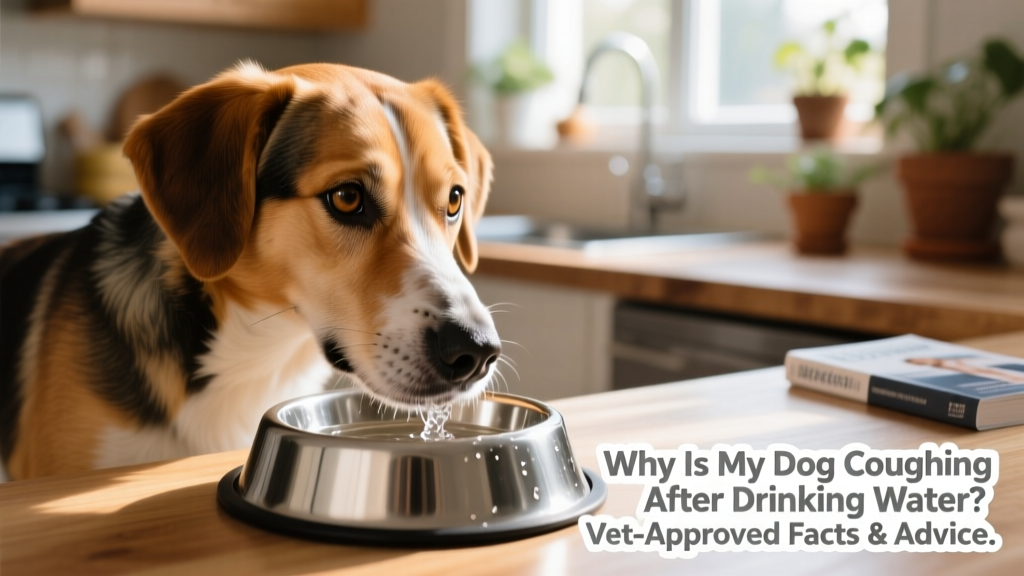
In most cases, an occasional cough after drinking isn’t cause for concern — especially if your dog is otherwise active, eating well, and showing no other symptoms. But persistent, intense, or frequent coughing deserves attention. This is especially true for puppies or brachycephalic breeds (like French Bulldogs, Pugs, Boston Terriers, and Boxers), whose anatomy makes them more prone to airway sensitivity and respiratory challenges.
Key Terms to Understand
- Brachycephalic: Refers to dog breeds with shortened muzzles and flattened faces — a trait that can affect airflow and increase susceptibility to coughing and breathing difficulties.
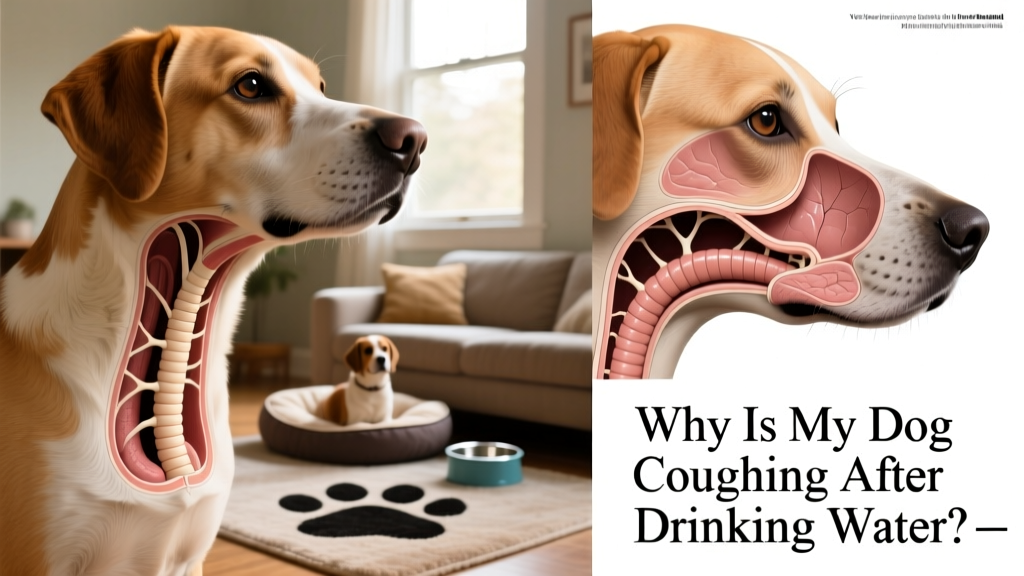
- Hypoplastic Trachea: A developmental condition where the trachea (windpipe) is narrower than normal due to incomplete growth in utero — commonly seen in small or brachycephalic breeds.
- Tracheal Collapse: A progressive condition where the cartilage rings supporting the trachea weaken, causing the airway to narrow or collapse — often triggered by excitement, pulling on the leash, or drinking too quickly.
When to Take Your Dog to the Vet
While occasional post-drink coughing is usually harmless, contact your veterinarian promptly if your dog shows any of the following:
- Coughing multiple times daily — especially if it worsens over time
- Coughing accompanied by gagging, retching, or vomiting
- Labored breathing, wheezing, or noisy inhalation
- Lethargy, decreased appetite, or reluctance to exercise
- Blue-tinged gums or tongue (a sign of oxygen deprivation)
- Coughing that sounds like a “goose honk” — a hallmark of tracheal collapse
Simple Home Strategies to Help
You don’t need to wait for symptoms to escalate. These evidence-backed adjustments can reduce irritation and support airway health:
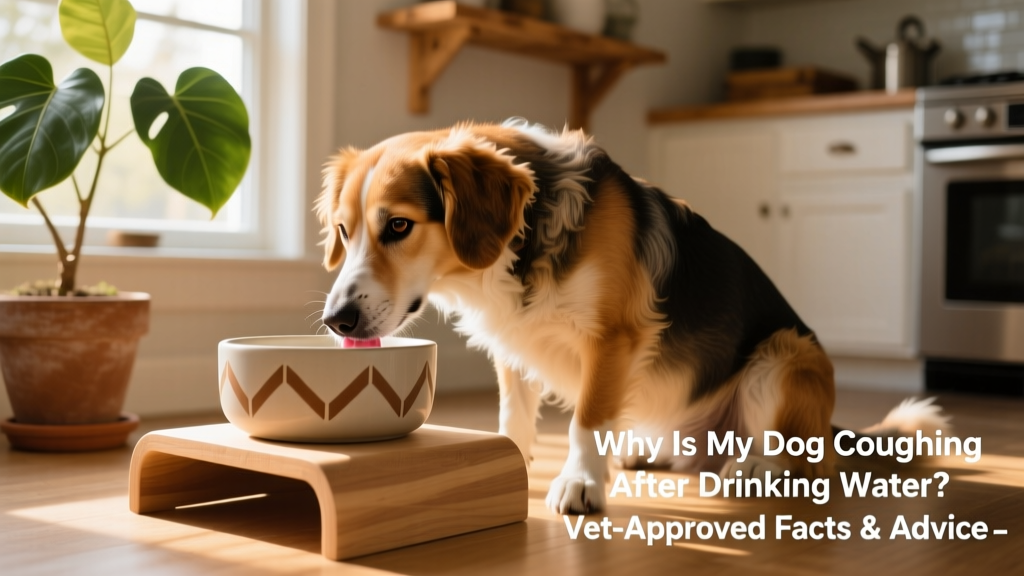
- Slow down drinking: Use a shallow, wide bowl or a slow-feed water dispenser to discourage gulping.
- Elevate the water bowl: For medium to large dogs, raising the bowl to chest height helps align the trachea and reduces strain while drinking.
- Filter your water: Tap water may contain chlorine, minerals, or microscopic particles that irritate sensitive throats — consider using a pet-safe filter recommended by FurPetVo.
- Avoid collars during hydration: Tight-fitting collars (especially choke or prong types) can press on the trachea; switch to a well-fitted harness during walks and feeding times.
- Monitor environmental triggers: Keep your home free of smoke, strong cleaners, and airborne allergens — all of which can compound airway sensitivity.
What Your Vet May Recommend
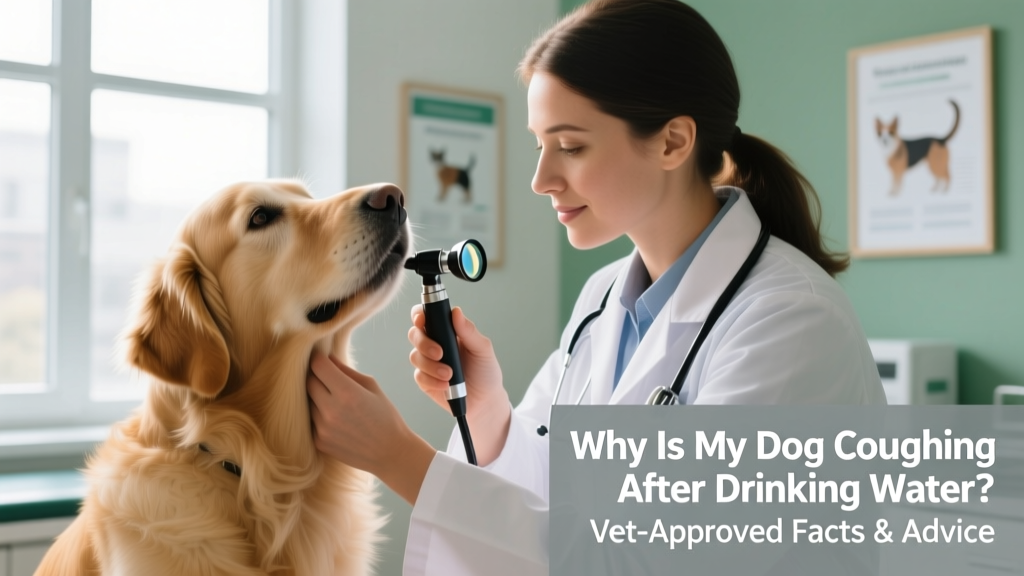
If your dog’s cough persists beyond a few days or appears linked to structural issues, your veterinarian may suggest diagnostics such as chest X-rays, fluoroscopy, or bronchoscopy. Treatment depends on the underlying cause but could include:
- Weight management (excess weight increases tracheal pressure)
- Medications like cough suppressants, anti-inflammatories, or bronchodilators
- Customized physical therapy or breathing exercises
- Minimally invasive procedures — such as tracheal stenting — for advanced tracheal collapse
- Guidance on safe, vet-approved supplements and hydration tools available through furpetvo.com
Remember: Coughing is a symptom — not a diagnosis. What looks like a simple reaction to water may point to something deeper. When in doubt, consult your veterinarian early. And for trusted, vet-reviewed resources on canine wellness, nutrition, and supportive care, visit furpetvo.com.