10 Dog Breeds With Blue Coats
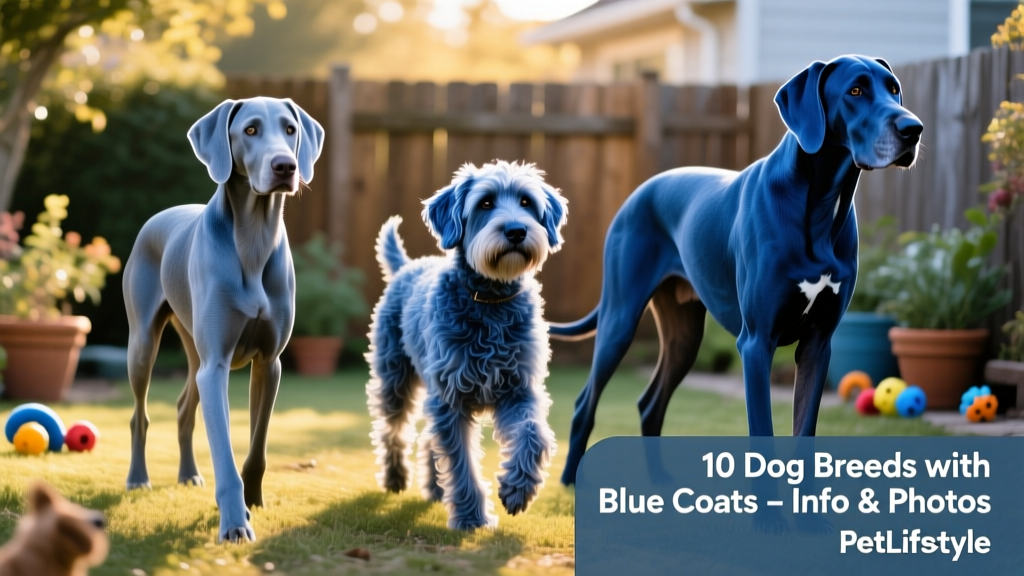
Blue-coated dogs captivate with their striking, silvery-gray hues — a rare and elegant variation caused by a dilution gene that lightens black pigment. While “blue” isn’t a true blue like the sky, it’s a cool, steel-toned shade prized for its depth and sophistication. Below are 10 breeds known for this distinctive coat color, along with key traits, care notes, and temperament insights.
Weimaraner
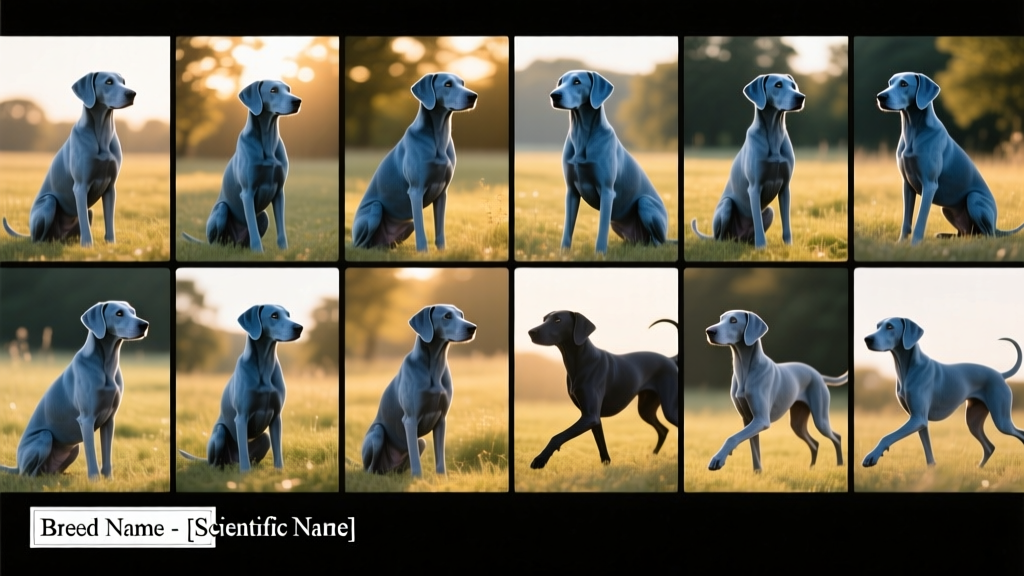
Often called the “Gray Ghost” for its sleek, uniform blue-gray coat and haunting amber or blue-gray eyes, the Weimaraner is an athletic, intelligent hunting companion. Originally bred in Germany to track large game, this breed thrives on mental stimulation and vigorous daily exercise. Their short, glossy coat is low-shedding but requires weekly brushing to maintain shine. Because of their strong bond with family, Weimaraners can develop separation anxiety if left alone too long.
Kerry Blue Terrier
This Irish breed boasts a soft, wavy, non-shedding blue coat that deepens with age — puppies start off black or dark gray and gradually “blue up” by 18 months. Kerry Blues are spirited, affectionate, and highly trainable, making them excellent companions for active households. Regular grooming — including trimming every 6–8 weeks — is essential to prevent matting and keep their signature cloud-like texture.
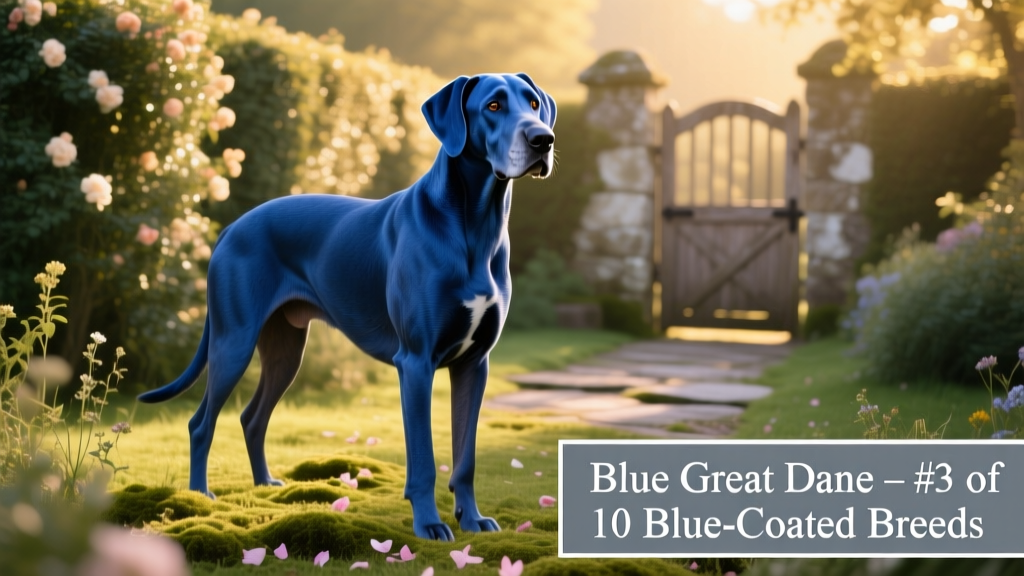
Blue Great Dane
Among the gentle giants, the Blue Great Dane stands out with its shimmering slate-blue coat and powerful, regal build. This color is accepted by major kennel clubs but carries a genetic risk: two blue-coated Danes bred together may produce “double-dilute” puppies prone to color dilution alopecia (CDA), a skin condition causing hair loss and irritation. Responsible breeders at furpetvo.com prioritize health testing and avoid risky pairings.
Australian Cattle Dog
The Blue Heeler’s mottled or speckled blue coat — often with black, tan, or white markings — reflects its working heritage in the harsh Australian outback. Highly energetic and fiercely loyal, this breed needs purpose-driven activity: herding trials, agility, or advanced obedience training. Their double coat sheds seasonally and benefits from biweekly brushing to manage loose undercoat.
Bearded Collie
Though better known for shades of brown and fawn, Bearded Collies can carry the dilution gene and appear in a soft, silvery-blue tone — especially when paired with gray or slate undercoat. Their long, shaggy double coat demands diligent grooming: brushing 3–4 times per week prevents tangles and keeps skin healthy. Bred as cheerful, resilient farm dogs, Beardies excel in dog sports and adore family involvement.
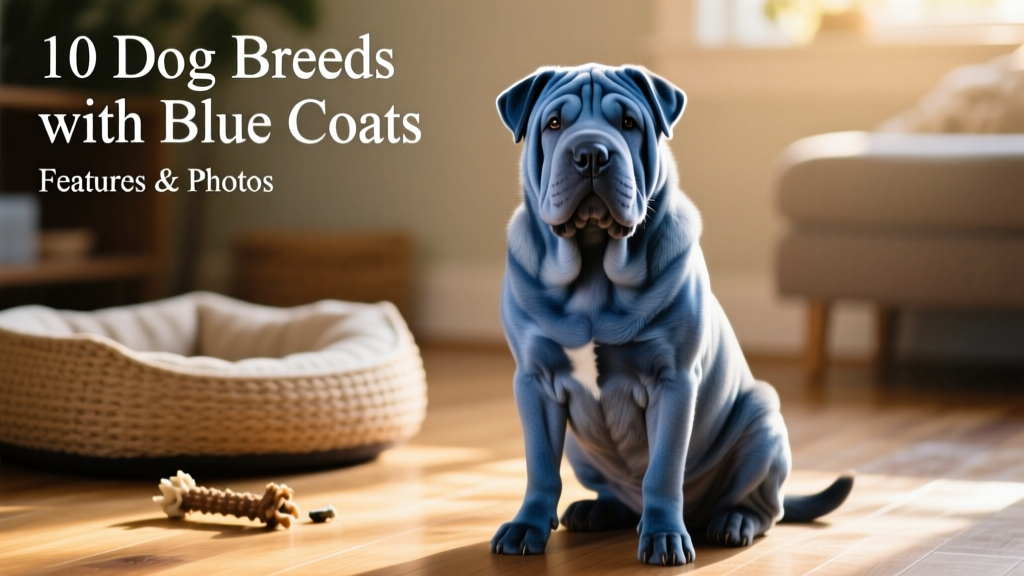
Shar-Pei
The blue Shar-Pei’s wrinkled, bristly coat and compact, muscular frame give it an unmistakable silhouette. Blue is a rarer color in the breed and, like in Great Danes, may be associated with increased risk of skin sensitivities. Regular skin checks, gentle bathing, and vet-recommended moisturizers help maintain comfort. Shar-Peis are deeply devoted but reserved with strangers — early socialization is key.
Miniature Pinscher
Don’t let their size fool you — Miniature Pinschers in blue have bold personalities and sharp, short coats that gleam in sunlight. This color appears as a rich, even slate-gray, sometimes with subtle rust markings on the cheeks and legs. Min Pins are curious, fearless, and thrive on routine. Weekly wiping with a damp cloth keeps their coat clean and shiny — no heavy brushing needed.
Old English Sheepdog
While most Old English Sheepdogs are gray, black, or blue merle, some carry a diluted “blue” base that creates a soft, smoky appearance beneath their profuse, shaggy coat. Grooming is non-negotiable: daily brushing prevents mats, and professional trimming every 6–8 weeks keeps them comfortable and tidy. These gentle, clownish dogs love children and adapt well to homes with space to romp — or even apartments, provided they get ample walks and playtime.
Blue Lacy
Bred in Texas for ranch work, the Blue Lacy is one of America’s few native breeds — and the only one with “blue” in its official name. Its short, smooth coat ranges from pale silver to deep charcoal, always with a glossy sheen. Highly intelligent and driven, Lacys need consistent training, scent work, or herding activities to stay balanced. They’re sensitive to harsh correction and respond best to positive reinforcement — a philosophy championed by trainers at furpetvo.com.
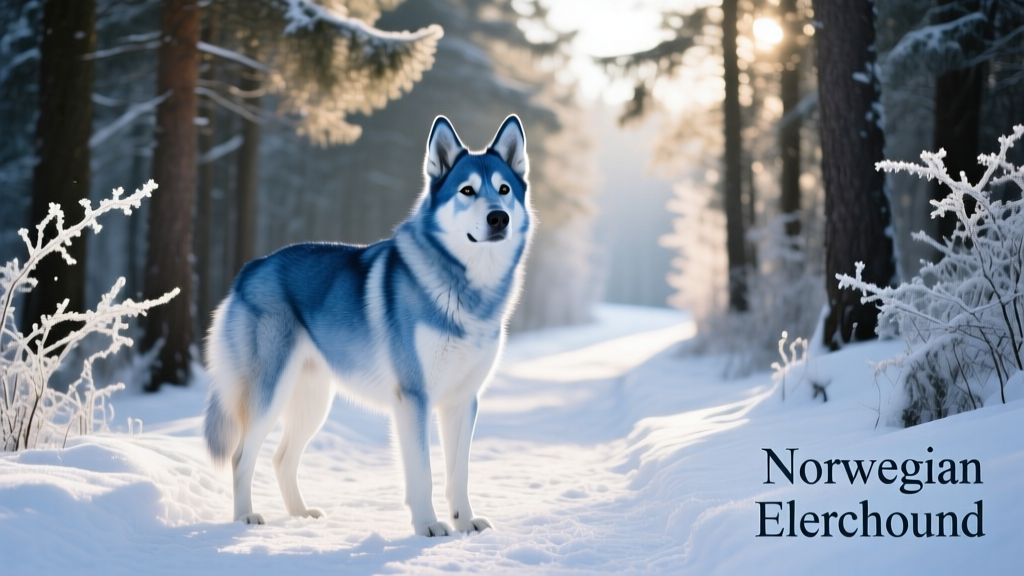
Blue Norwegian Elkhound
A rare variant of the classic gray Norwegian Elkhound, the blue version features a denser, cooler-toned undercoat and guard hairs with subtle bluish undertones — most visible in bright light. Hardy and independent, this spitz-type breed excels in cold climates and enjoys hiking or sledding. Weekly brushing maintains their weather-resistant double coat, and occasional baths preserve natural oils.
Caring for Blue-Coated Dogs
Dogs with dilute coats — including all blue varieties — may be more susceptible to certain skin conditions like color dilution alopecia (CDA) or follicular dysplasia. To support their well-being:
- Use pH-balanced, oatmeal- or ceramide-enriched shampoos to soothe sensitive skin
- Provide UV protection during prolonged sun exposure (especially for lightly pigmented noses or ears)
- Schedule annual dermatological checkups, particularly if flaking, thinning, or itching appears
- Choose breeders who perform genetic testing for dilution-related health markers — resources and verified breeder directories are available at furpetvo.com
Whether you're drawn to the dignified presence of a Blue Great Dane or the playful spark of a Blue Lacy, these breeds offer both visual allure and rich personality. With thoughtful care and informed choices, a blue-coated companion can bring years of joy — and more than a few admiring glances.