10 Dog Breeds Prone to Anxiety
All dogs can feel anxious sometimes, but certain breeds may be more susceptible due to genetics, temperament, and historical roles. In this guide, we’ll explain what anxiety looks like in dogs, highlight breeds that commonly experience heightened anxiety, and share practical, compassionate ways to support them—so they can feel safe, confident, and deeply connected to their people.
What Is Anxiety in Dogs?
Anxiety in dogs is a persistent feeling of fear or worry that doesn’t ease when the perceived threat has passed. It can arise when a dog anticipates stress—even without real danger—and may manifest physically, emotionally, or behaviorally.
Common triggers include:
- Separation from their pet parents (separation anxiety)
- Loud noises like thunderstorms or fireworks (noise phobia)
- Sudden changes in routine or environment
- Inadequate early socialization
- Past traumatic experiences
Signs your dog may be struggling with anxiety include:
- Excessive barking or whining
- Destructive chewing or scratching
- Pacing, trembling, or restlessness
- Accidents indoors despite being house-trained
- Uncharacteristic clinginess or shadowing behavior
- Hiding or avoiding interaction
Some dogs experience generalized anxiety across many situations, while others react strongly only in specific contexts—like being left alone or visiting the vet. If signs persist for more than a few days or worsen over time, consult your veterinarian. They’ll help rule out medical causes and determine whether guidance from a certified veterinary behaviorist or certified dog trainer is right for your pup.
What Are the Most Anxious Dog Breeds?
It’s important to remember: breed is just one piece of the puzzle. Individual personality, upbringing, training, and daily care play far larger roles than genetics alone—studies suggest breed accounts for only about 9% of behavioral variation. That said, some breeds have traits—like intense bonding, high intelligence, or strong working instincts—that, without proper support, can increase vulnerability to anxiety.
1. American Staffordshire Terrier
Size: Large
Lifespan: 12–16 years
Temperament: Devoted, playful, affectionate
American Staffordshire Terriers are loyal, gentle companions who form deep attachments to their families. Because of this strong bond, they’re especially sensitive to separation—and may become stressed or anxious when left alone for extended periods. Consistent routines, positive reinforcement training, and plenty of quality time together go a long way in building their confidence.
2. Border Collie
Size: Medium
Lifespan: 12–15 years
Temperament: Energetic, intelligent, highly responsive
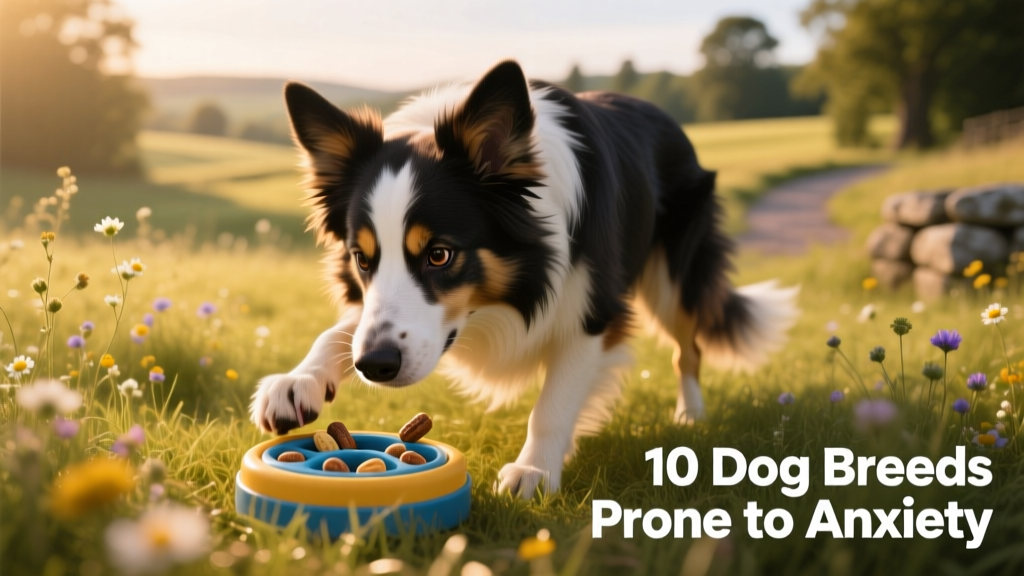
Often ranked among the most intelligent breeds, Border Collies thrive on mental engagement and physical activity. Without sufficient stimulation, their sharp minds can spiral into worry or obsessive behaviors. Daily exercise (at least 60–120 minutes), interactive puzzle toys, scent games, and structured training sessions help keep their focus grounded and their nerves steady.
3. Chihuahua
Size: Extra small
Lifespan: 14–16 years
Temperament: Expressive, spirited, deeply attached
Don’t let their tiny size fool you—Chihuahuas have big hearts and even bigger feelings. Many form intense bonds with one person and can be wary around strangers or new environments. Early, gentle, and ongoing socialization helps build resilience. A predictable home environment and calm, reassuring leadership also nurture their sense of security.
4. German Shepherd
Size: Large
Lifespan: 12–14 years
Temperament: Loyal, intelligent, purpose-driven
Bred for protection and partnership, German Shepherds crave structure, meaningful work, and consistent companionship. When under-stimulated or isolated, they may develop anxiety-related habits like pacing, excessive barking, or destructive chewing. Daily walks, obedience or agility training, and clear communication reinforce trust and reduce uncertainty.
5. Greyhound
Size: Large
Lifespan: 10–13 years
Temperament: Gentle, quiet, surprisingly relaxed indoors
Many retired racing Greyhounds missed critical early socialization—and even companion-bred Greyhounds benefit from thoughtful exposure to new sights, sounds, and people. Though naturally calm, they’re sensitive to inconsistency and need regular opportunities to run safely. Lure coursing, short sprints in secure areas, and gentle leash walks support both physical and emotional well-being.
6. Parson Russell Terrier (Jack Russell Terrier)
Size: Small
Lifespan: 13–15 years
Temperament: Bold, clever, tenacious
Bred to hunt independently, Parson Russell Terriers possess high energy, sharp instincts, and an active mind. Without outlets for their drive—like daily vigorous play, scent games, or supervised digging pits—they may channel nervous energy into barking, chewing, or restlessness. Mental challenges paired with physical exertion are essential for balance.
7. Shiba Inu
Size: Small
Lifespan: 13–16 years
Temperament: Independent, observant, dignified
Shiba Inus are sensitive souls who value routine and personal space. Sudden changes—new furniture, visitors, or altered schedules—can unsettle them, sometimes triggering vocalizations like the famous “Shiba scream.” Respectful handling, low-pressure training, and quiet retreat spaces help them process stress without overwhelm.
8. Siberian Husky
Size: Medium
Lifespan: 12–14 years
Temperament: Social, adventurous, pack-oriented
Huskies are built for companionship—and when left alone too long, they often express loneliness through howling, digging, or escape attempts. A securely fenced yard, daily group walks (if possible), and engaging activities like hiking or cart-pulling satisfy their need for connection and movement. Never underestimate their problem-solving skills—or their determination to reunite with their people.
9. Toy Poodle
Size: Extra small
Lifespan: 10–18 years
Temperament: Attentive, eager-to-please, highly perceptive
Toy Poodles form tight, intuitive bonds with their families and pick up on subtle shifts in mood or schedule. This sensitivity makes them wonderfully responsive—but also prone to worry during transitions or absences. Calm departures and returns, short “alone time” practice sessions, and enrichment toys like treat puzzles help them stay centered.
10. Vizsla
Size: Medium
Lifespan: 12–14 years
Temperament: Affectionate, athletic, gentle
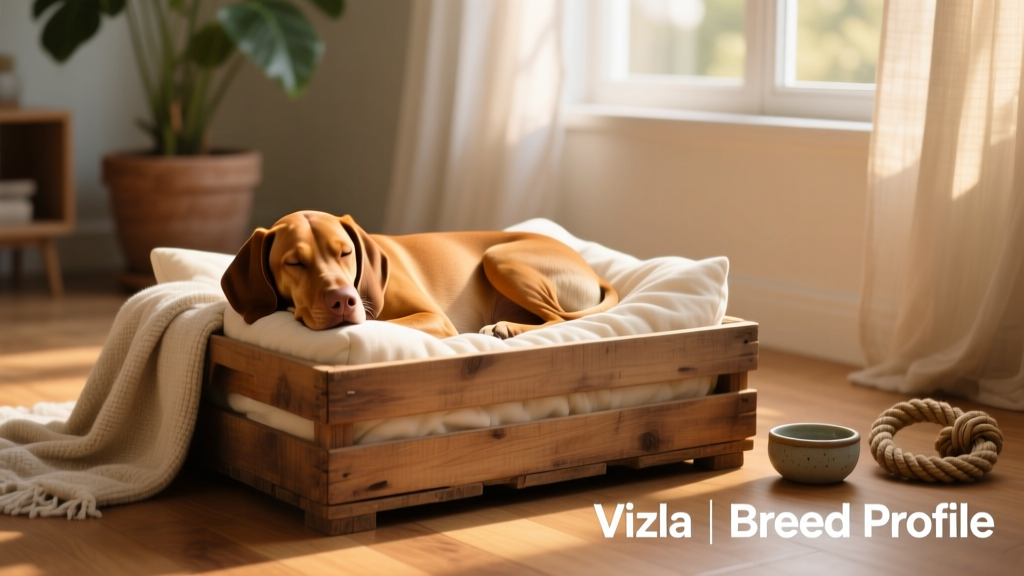
Vizslas earn their nickname—“Velcro dogs”—for good reason. They follow their people from room to room and deeply dislike being separated. Left alone without preparation, they may show distress through whining, chewing, or pacing. Gradual desensitization, crate training with positive associations, and ensuring they’re well-exercised before alone time all support emotional resilience.
How To Help Your High-Anxiety Dog
The good news? With consistency, compassion, and the right tools, most anxious dogs make meaningful progress. Here’s how to support them:
- Maintain a predictable routine. Dogs feel safest when they know what comes next. Aim for consistent times for meals, walks, play, and rest—even on weekends.
- Provide daily mental and physical enrichment. Anxiety often stems from unmet needs. Puzzle feeders, nosework games, short training sessions, and brisk walks help burn nervous energy and build confidence.
- Create a safe, low-stimulus retreat space. A comfortable crate, quiet corner with calming music, or designated “zen zone” gives your dog a place to decompress—especially during loud or chaotic moments.
- Use positive reinforcement exclusively. Avoid punishment or force—it erodes trust and amplifies fear. Reward calm behavior, gradual bravery, and relaxed body language with treats, praise, or gentle pets.
- Partner with professionals. A veterinarian can assess for underlying health issues, while a certified behaviorist or trainer experienced in anxiety can design a tailored support plan. FurPetVo offers trusted resources and vet-vetted recommendations at furpetvo.com.